
Prevent avoidable crashes before arming by building a strict 60-second pre-flight physical routine.

This guide focuses on the practical decisions behind Complete Pre-Flight Inspection Checklist to Prevent Crashing. Use it to understand what changes on the aircraft, what to check before flight, and how to avoid buying or tuning around the wrong problem.
What the Spec Really Changes
Complete Pre-Flight Inspection Checklist to Prevent Crashing sits inside the larger topic of FPV repair, soldering, diagnostics, and field maintenance. The important question is not whether one number, product, or workflow sounds advanced. The important question is whether it gives the pilot more predictable control, cleaner footage, safer power handling, or a better chance of finishing the session without avoidable repairs.
[ ] Frame Screws: Verify motor screws and frame standoff bolts are tight.
[ ] Propellers: Check for chips or cracks; ensure $8\text{mm}$ prop locknuts are tightened down hard.
[ ] LiPo Strap: Ensure battery strap is tightly cinched with non-slip silicone pad.
[ ] Antennas: Verify VTX and RX antennas are securely attached.
For FPV pre flight checklist inspection safety, verify the result against your aircraft, flight conditions, and maintenance records. A good FPV setup works because the parts and habits agree with each other. Battery choices affect motor load, tuning depends on mechanical health, video quality depends on mounting and transmission, and commercial work depends on preparation as much as flying skill.
A Better Way to Compare Options
Start with the use case. A backyard practice quad, a long-range cruiser, a race build, a cinematic rig, and a commercial fly-through all need different compromises. Write down the aircraft size, video system, expected flight time, field conditions, and repair tolerance before changing parts or settings.
| Repair area | Good sign | Stop and inspect |
|---|---|---|
| Solder joints | Shiny, secure, no bridge | Dull blob or lifted pad |
| Boards | No corrosion or burnt smell | White residue, black marks, missing parts |
| Motors | Spin smooth and stay cool | Grinding, wobble, or hot bell |
| Power-up | Smoke stopper passes | Short warning or instant heat |
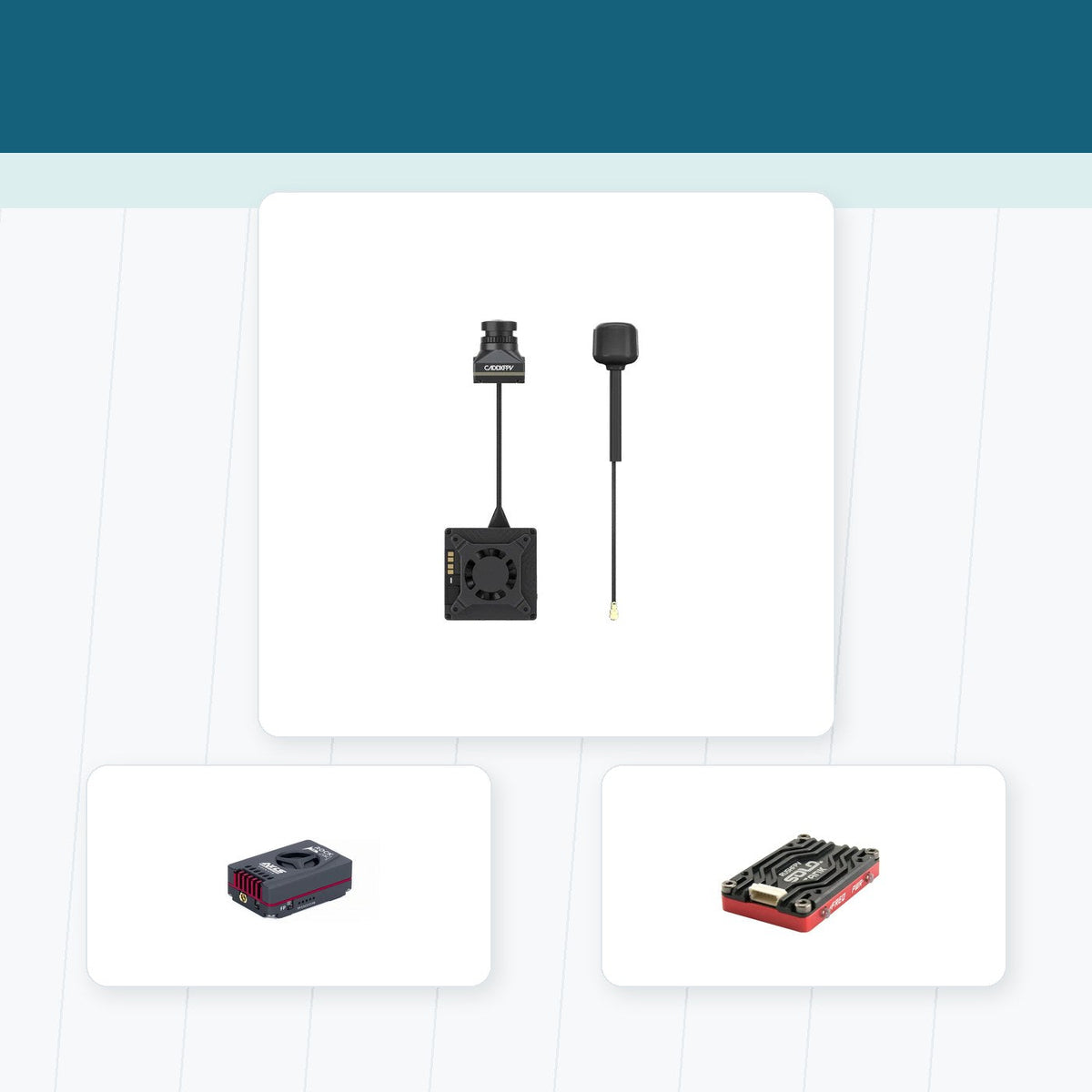
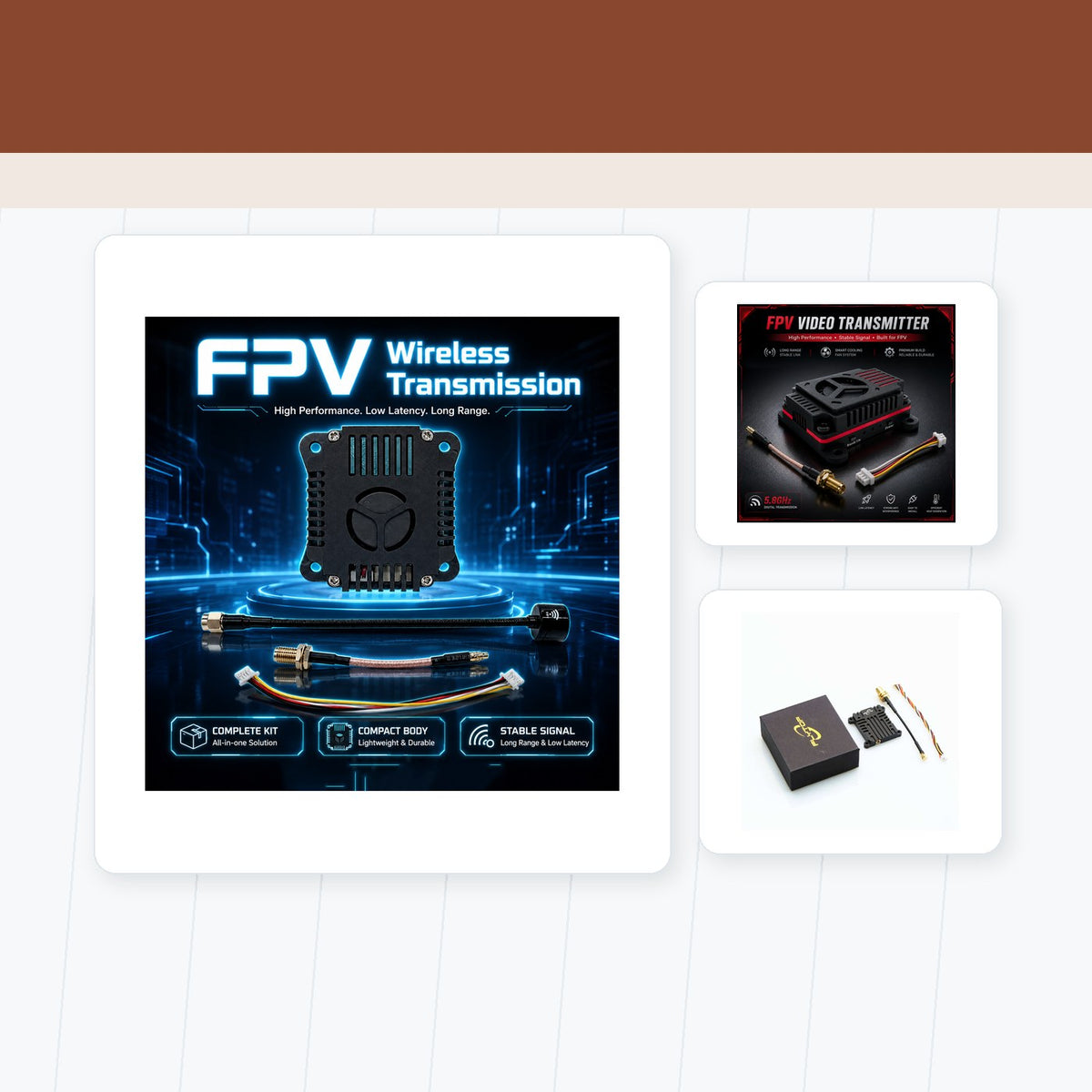
Repair planning is easier when spare categories are clear. Use FC and ESC stacks, F722 60A FPV stack, FPV propellers, and FPV video transmitters as practical reference points for common crash damage.
When to Stop Adjusting
For Complete Pre-Flight Inspection Checklist to Prevent Crashing, start by separating a mechanical fault from a configuration choice. Inspect props, motor bearings, screws, wiring, firmware, and the saved baseline before changing gains or presets. That order prevents a software adjustment from hiding the real source of the flight symptom.
- Check the physical setup before blaming software or buying upgrades.
- Confirm the first flight after a change close to the pilot, not at maximum range.
- Keep safety routines boring and repeatable, especially around LiPo batteries.
- Use readable OSD data, notes, and post-flight checks to guide the next decision.
- Retire damaged parts early when heat, corrosion, puffing, or signal instability appears.
How to Decide What Comes Next
Test FPV pre flight checklist inspection safety with one controlled change at a time. Save the configuration, use the same battery and route when practical, and compare motor temperature, noise, control response, and failsafe behavior after each short flight.
A useful FPV pre flight checklist inspection safety workflow connects the flight symptom to evidence: a log, an OSD value, a blackbox trace, a temperature check, or a repeatable bench test. That evidence tells you when to keep adjusting and when to repair or replace hardware first.
Keep notes for FPV pre flight checklist inspection safety: what changed, which firmware or preset was active, what the aircraft did at low and high throttle, and what happened after landing. This makes the next adjustment smaller and easier to reverse.
Practical Takeaway
The practical goal of Complete Pre-Flight Inspection Checklist to Prevent Crashing is not the most aggressive setting. It is a setup that responds consistently, stays within hardware limits, and can be restored when a new change makes the aircraft worse.
A good test for FPV pre flight checklist inspection safety also includes a stop condition. If motor temperature rises, the craft develops a new oscillation, or the control response becomes less predictable, restore the last known-good configuration and inspect the hardware. The purpose of Complete Pre-Flight Inspection Checklist to Prevent Crashing is controlled improvement, not endless adjustment without a recoverable baseline.
Teilen:
How to Flash Bricked Flight Controllers using ImpulseRC Driver Fixer and DFU Mode
Custom Betaflight ExpressLRS Scripts: Advanced LUA Scripting & Telemetry