
An FAA filing linked to Amazon's Baton Rouge drone operation has placed noise measurement back into the discussion around package delivery by UAV.

Why one number is not enough
Noise depends on distance, altitude, weather, background sound, flight path, payload, and whether the measurement is a peak or an average. A single figure from a filing should not automatically be treated as the sound level of every delivery flight.
Residents also experience noise differently from a microphone. The timing and repetition of flights can matter as much as the maximum level during one test.
What delivery operators have to balance
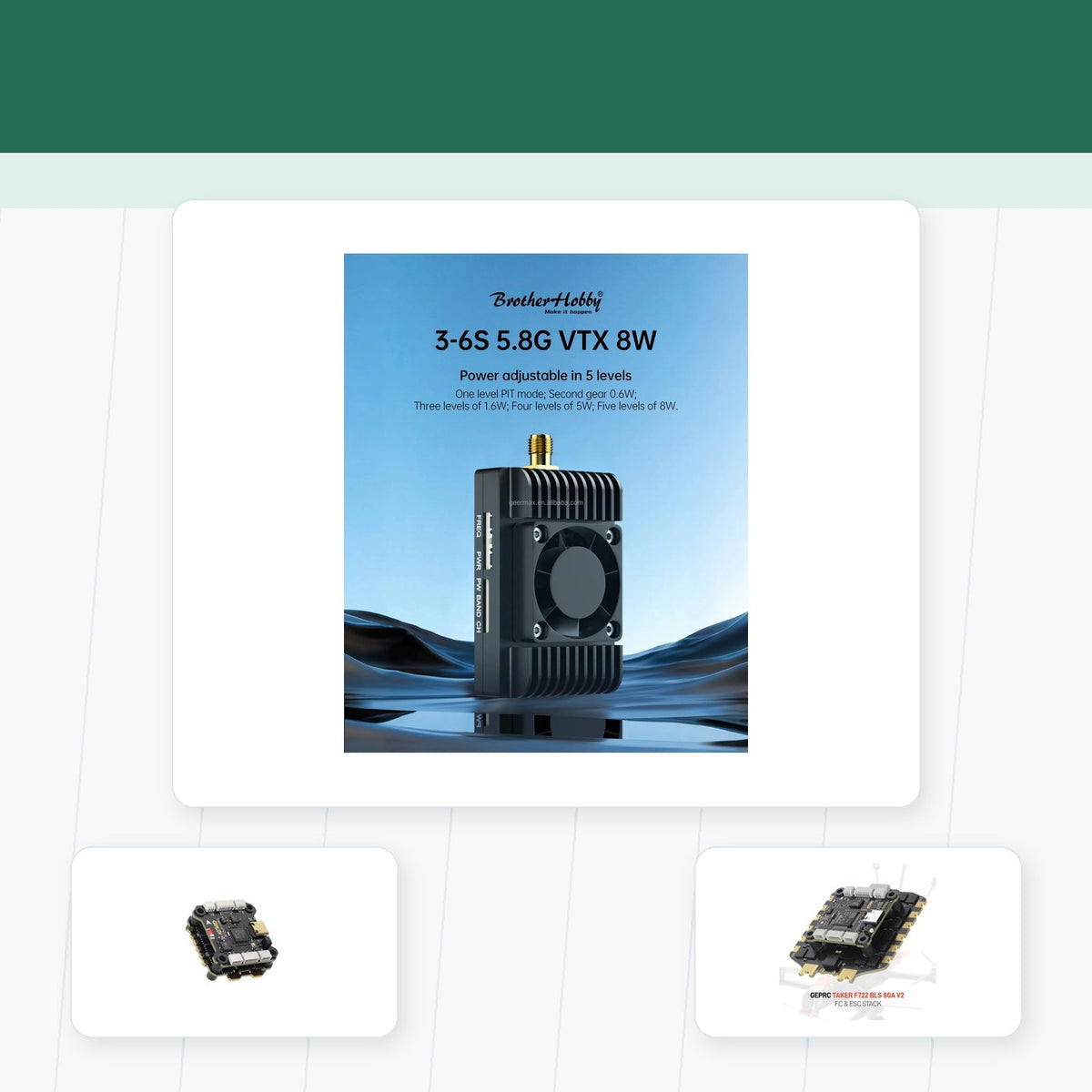
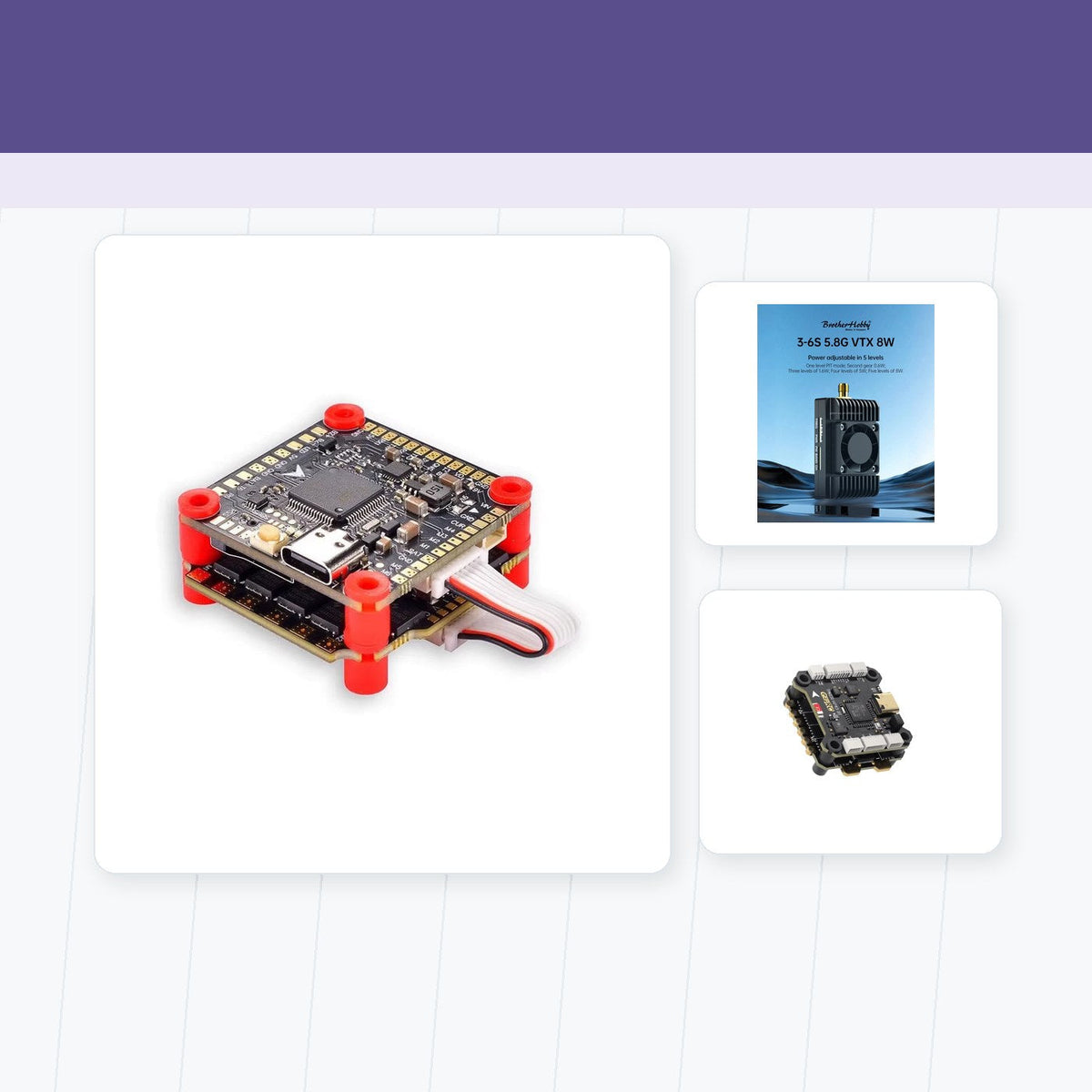
A delivery aircraft needs an efficient combination of brushless FPV motors and FPV propellers, but efficiency is only one target. The frame, payload mechanism, battery, and FC and ESC stacks configuration influence flight behavior and acoustic output.
Route planning and scheduling can reduce disturbance even when the aircraft hardware remains unchanged. That is why environmental assessment belongs in the operating plan.
The next useful evidence
A clearer picture will come from the FAA filing itself, standardized measurements, and data from repeated operations. The public debate will be healthier when claims specify conditions instead of relying on broad comparisons.
Noise is an operating variable
Drone delivery will be judged in neighborhoods, not only in engineering labs. Accurate measurement and transparent operating limits will help determine whether the service earns public acceptance.
Source and editorial note
This is an original English news brief based on DroneXL report on Amazon's FAA filing.
Teilen:
Swarmer Agrees to Acquire Ratel Robotics
Commercial UAV Expo Highlights FCC and Tariff Deadlines