
Transport Canada has published a detailed summary of information sessions on a proposed Remote ID framework that would include FPV drones, model aircraft, and home-built systems above a weight threshold.

What the proposal would cover
Transport Canada's summary says the proposed requirements would apply to drones weighing 250 grams up to and including 150 kilograms, including FPV drones and model aircraft. A microdrone under 250 grams would fall below the proposed threshold, but adding a heavier battery or payload could move it into the covered range.
The proposal describes a broadcast-based system in which the aircraft or an attached module transmits identification and location information. Transport Canada says the public would be able to receive the broadcast with compatible equipment, while only the department and delegated law enforcement would be able to link the unique identifier to registration information.
What it could mean for FPV pilots
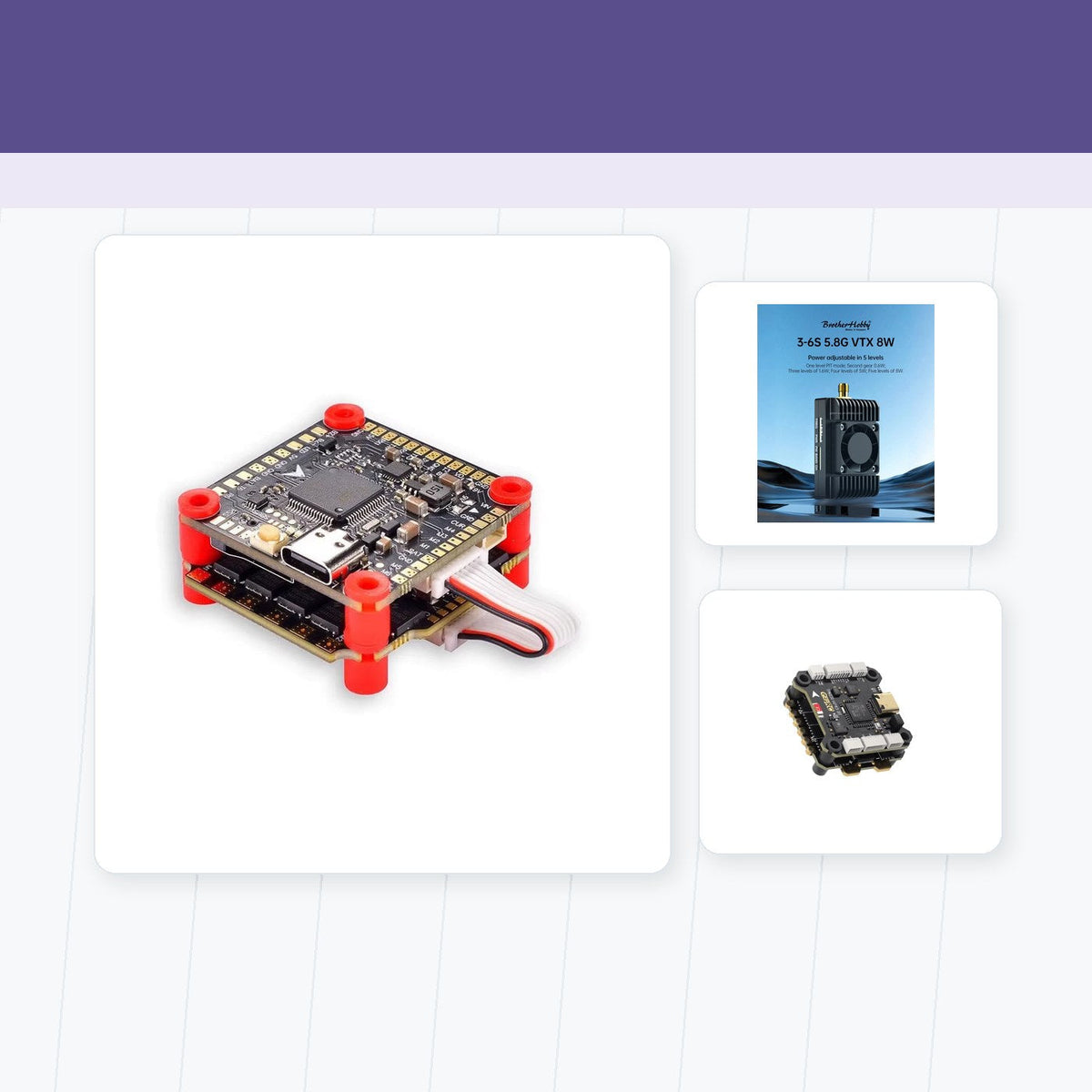
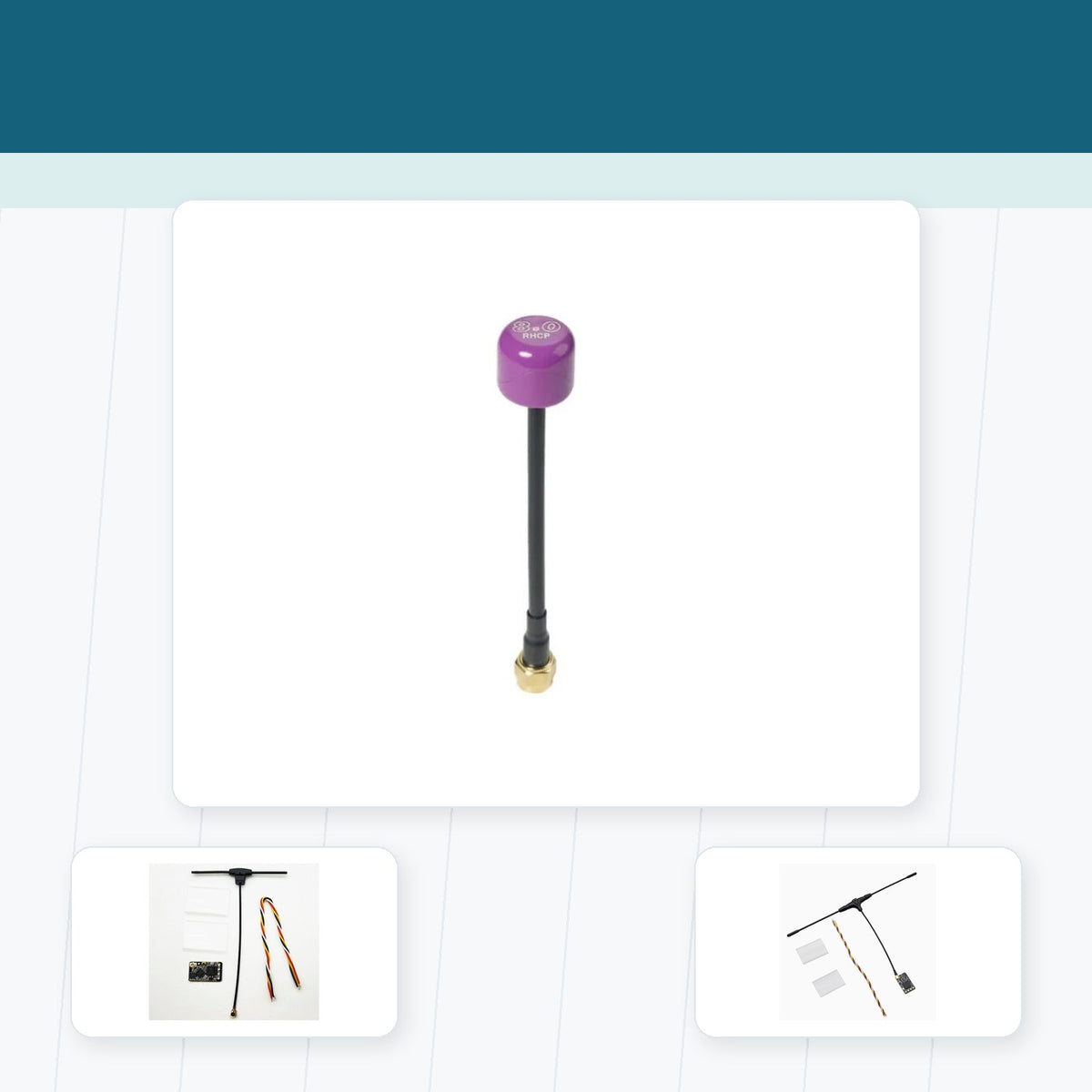
The most relevant detail for builders is that a legacy or home-built aircraft would not necessarily be excluded. The summary says pilots could retrofit a broadcast module, subject to the final technical rules. That makes installation space, power budgeting, antenna placement, and compatibility practical design considerations for future builds.
The proposal also says takeoff location may be used when a ground-control station cannot transmit pilot location, and that ADS-B would not be accepted as the standard Remote ID method because of existing spectrum congestion. These are proposal details, not final compliance instructions, so pilots should wait for the final regulations before purchasing hardware solely for this purpose.
Timing and what is not decided
Transport Canada describes staged implementation after final regulations are published. Its current summary anticipates an early community-organisation application period in 2028 and broader Remote ID implementation in 2030, but those dates are planning expectations rather than an effective legal deadline.
The proposal is also separate from the basic safety duties of FPV flight. In Europe, EASA explains that FPV operations generally require an unmanned-aircraft observer when the pilot cannot maintain direct visual contact. Different jurisdictions use different legal frameworks, so pilots should not assume that Remote ID alone makes an operation lawful.
Remote ID is a build-planning issue as well as a policy issue
Canada's summary gives FPV pilots a clearer view of the direction of travel while the rules remain under development. The useful action now is to follow the final regulation and leave room for compliant identification hardware in future builds.
Sources
This original English news brief is based on Transport Canada, EASA FPV guidance. Reported facts are separated from editorial context, and the article is not a full reproduction of any source.

Teilen:
Ukraine Says 148 of 172 Overnight Drones Were Neutralized
USDA Seeks UAS with Multispectral Camera