Powerus has announced a reported $22.3 million counter-UAS contract with a private Middle East oil company, a deal that highlights growing private-sector demand for drone protection.

Why a private buyer matters
Counter-UAS systems have traditionally been discussed as government or military purchases. A private critical-infrastructure buyer signals that oil, energy, logistics, and other operators increasingly see airborne threats as part of their own security planning.
The reported system focuses first on detection, tracking, classification, and early warning. Those layers can be useful even before a customer adds a mitigation capability.
A system, not a single device
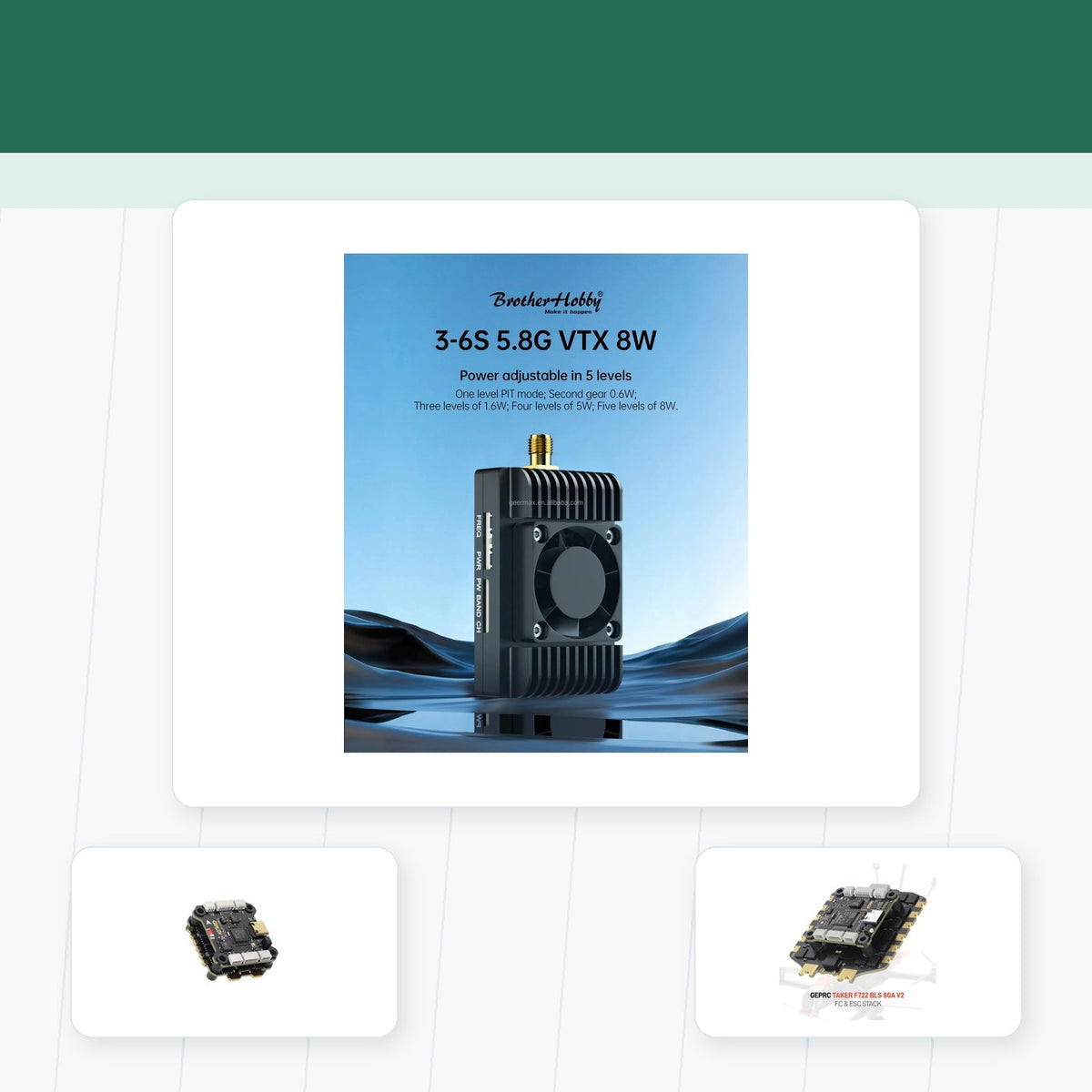
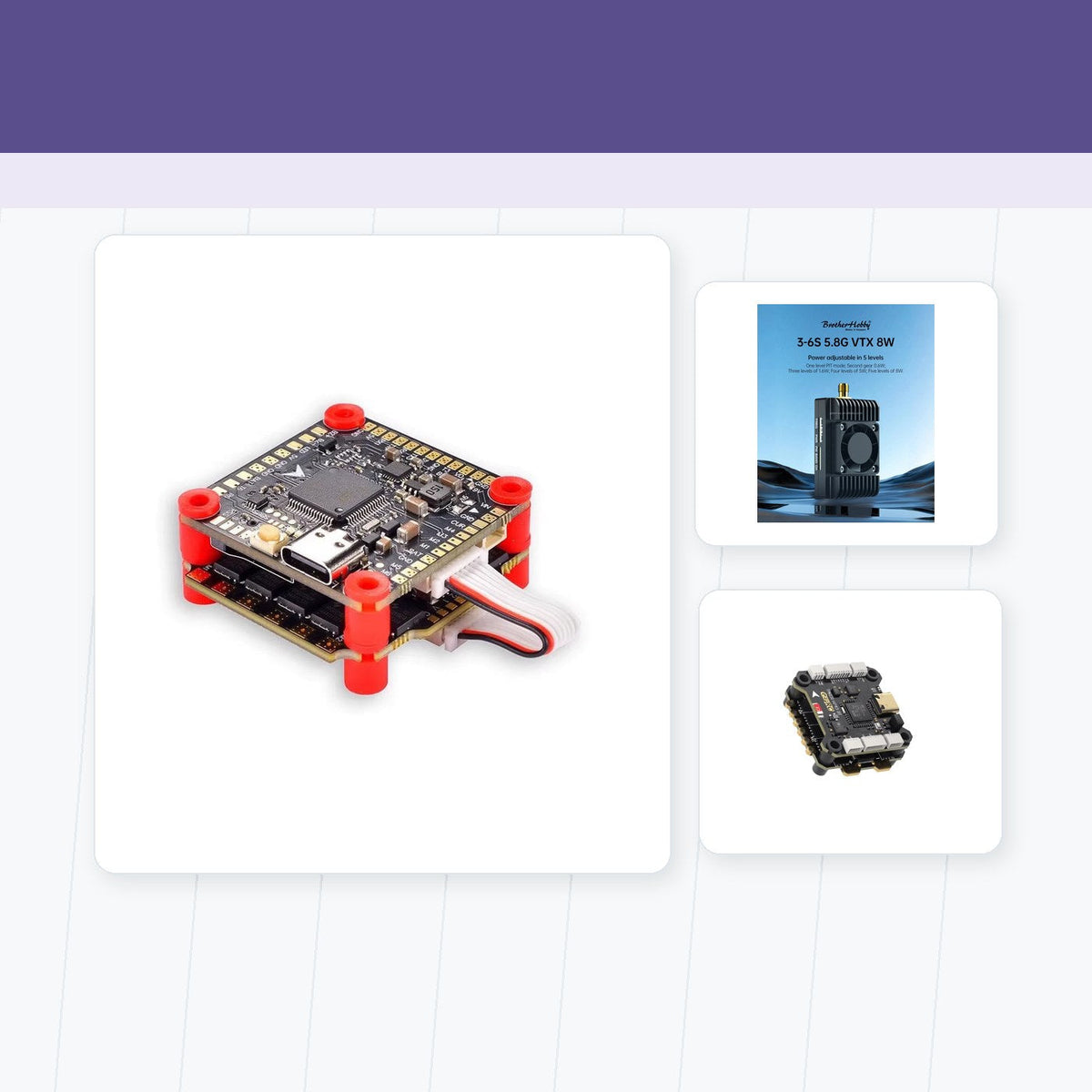
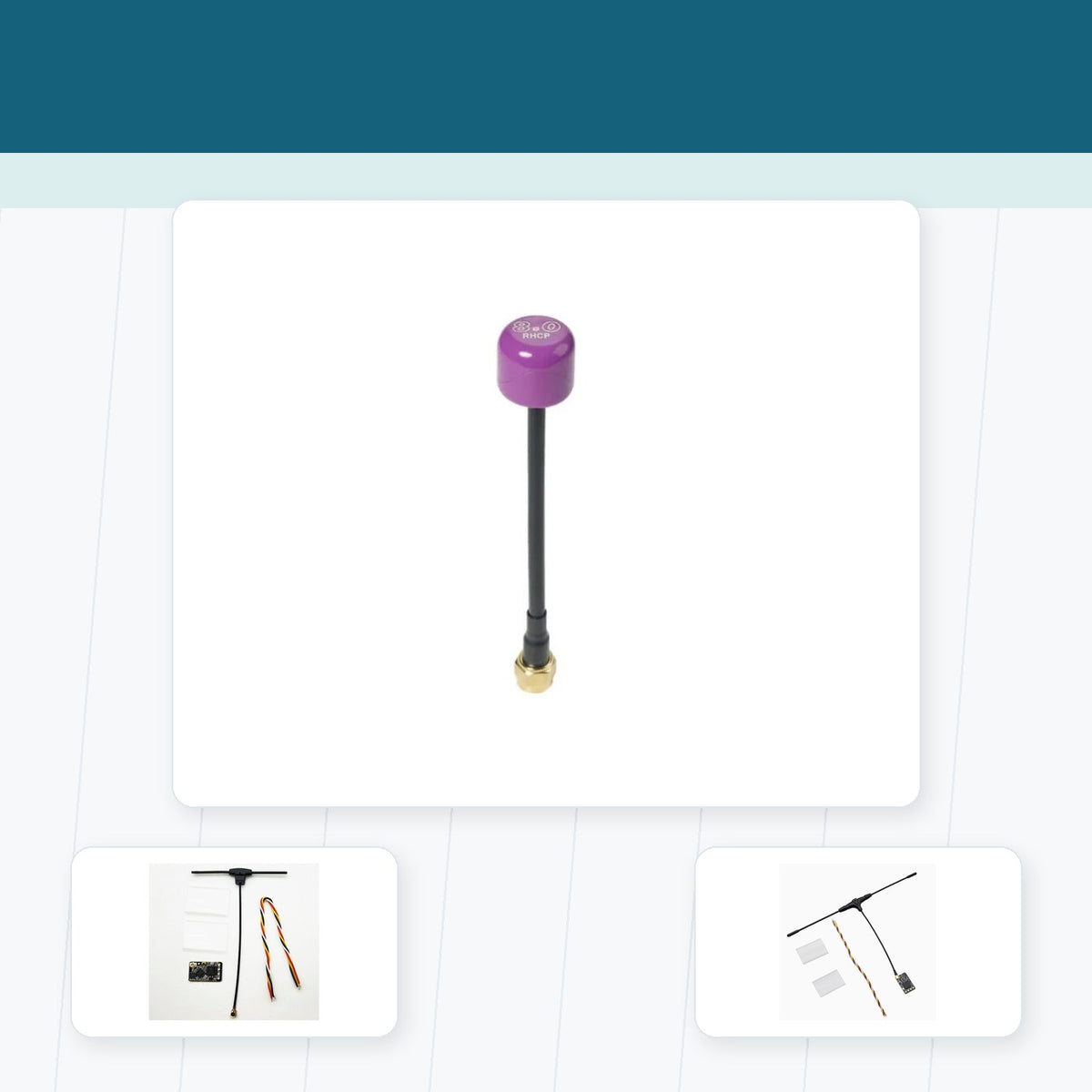
A counter-UAS architecture combines sensors, software, communications, operators, and procedures. The protected facility may also need reliable site drones for inspection, using a stable FC and ESC stacks, appropriate FPV video transmitters, and documented carbon-fiber FPV frames configurations.
That separation matters: a security system should identify a threat without confusing ordinary authorized operations with an attack.
Export and implementation questions
The report notes export restrictions and phased integration. Those details are important because the contract value alone does not reveal delivery timing, final capability, or how the system will be staffed and maintained.
Private infrastructure is becoming an airspace stakeholder
The Powerus deal suggests that counter-drone planning is moving into the private sector. The strongest systems will combine detection with clear authorization, trained operators, and disciplined incident response.
Source and editorial note
This is an original English news brief based on DRONELIFE report on Powerus.
Teilen:
DJI Forum Activity Tracks SDR and Avata Questions
US and Ukrainian Units Train Around FPV Drone Lessons