A recent UAV Coach policy review brings tariffs, FCC restrictions, and Part 108 into one overview of the pressure facing U.S. drone operators and manufacturers.

Three pressures, three timelines
Tariffs affect cost and sourcing. FCC actions affect equipment eligibility and disclosure. Part 108 affects how operators may eventually scale beyond visual line of sight. These issues interact, but they do not move on the same timetable.
That is why a clear article should separate proposed action, comment period, interim policy, and final rule instead of calling everything a ban or approval.
What manufacturers can do now
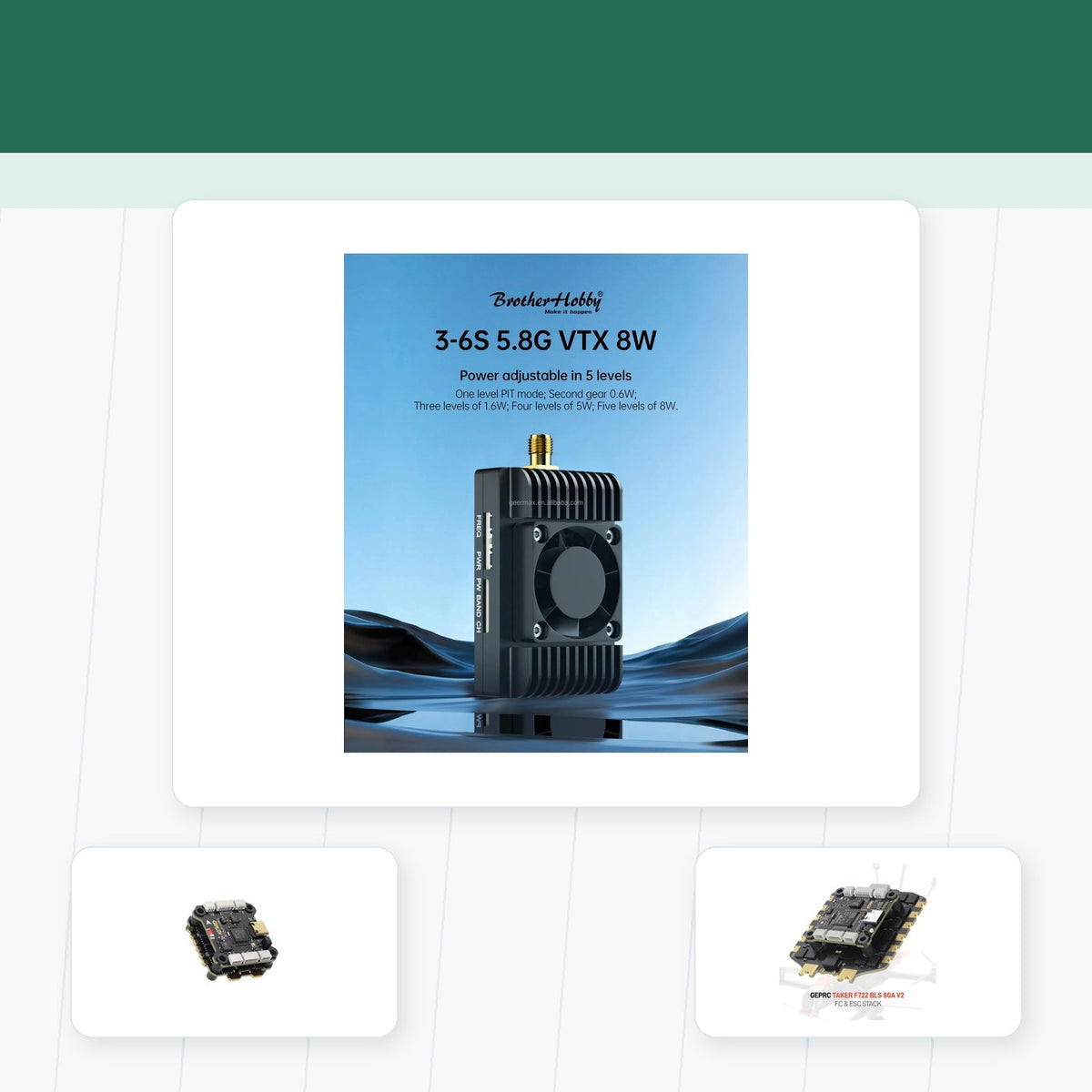
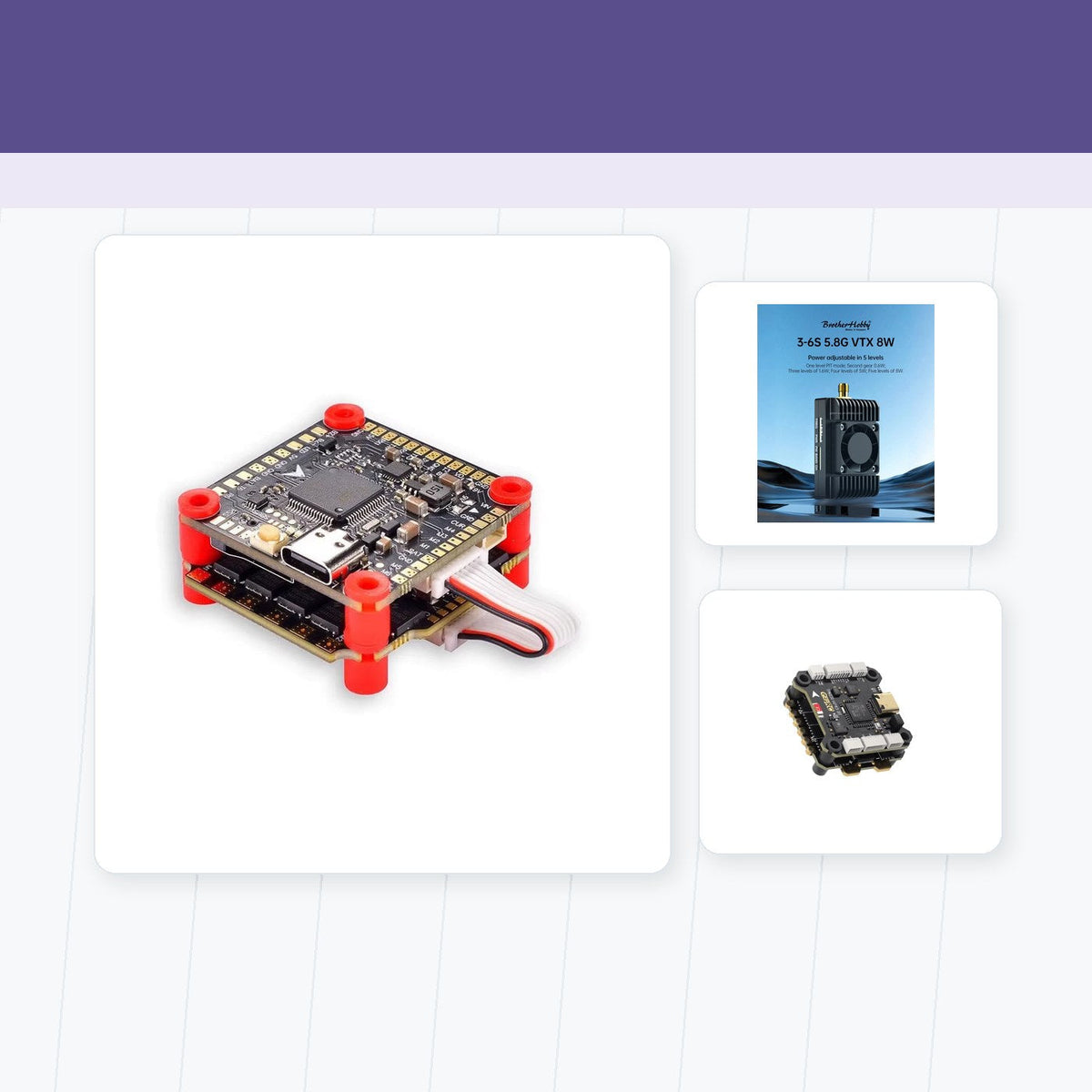
Manufacturers can improve traceability by keeping a clear record of the FC and ESC stacks, radio, firmware, FPV video transmitters, and other mission-critical components used in each product revision.
Builders can also document which {base.link('frames')} and power systems were tested together. Good records reduce the cost of adapting when a supplier or rule changes.
A secondary source with a useful role
UAV Coach is helpful for orientation, but operators should use FAA, FCC, Federal Register, and other official material for a final legal interpretation. The article is a map to the issues, not a substitute for the rules.
Policy literacy is now a technical skill
The drone industry is changing quickly enough that pilots and manufacturers need a basic policy-monitoring habit. Understanding what is proposed versus what is final can prevent expensive decisions.
Source and editorial note
This is an original English news brief based on UAV Coach September 2026 policy analysis.
Teilen:
Commercial UAV Expo Highlights FCC and Tariff Deadlines
Robinson Demonstrates a Heavy-Lift Unmanned Helicopter