
A US Army unit in Europe reportedly assembled and flew an FPV strike drone without contractor or outside-unit support. Tom’s Hardware, citing Stars and Stripes, described the 2nd Cavalry Regiment’s use of an Orqa MRM2-10 aircraft and a locally fabricated safety-and-arming payload casing. The account presents a unit-level experiment, not a standardized Army procurement decision. Source: Tom's Hardware.

The capability is in the build loop
The notable part is not only the airframe. Soldiers handled assembly, integration and live flight in a single operational chain. That can shorten the time between identifying a requirement and testing a response. It also gives operators direct feedback on battery choice, control links, launch procedures, payload interfaces and maintenance, all of which are easy to underestimate when a system is treated as a finished catalog product.
Improvisation creates engineering duties
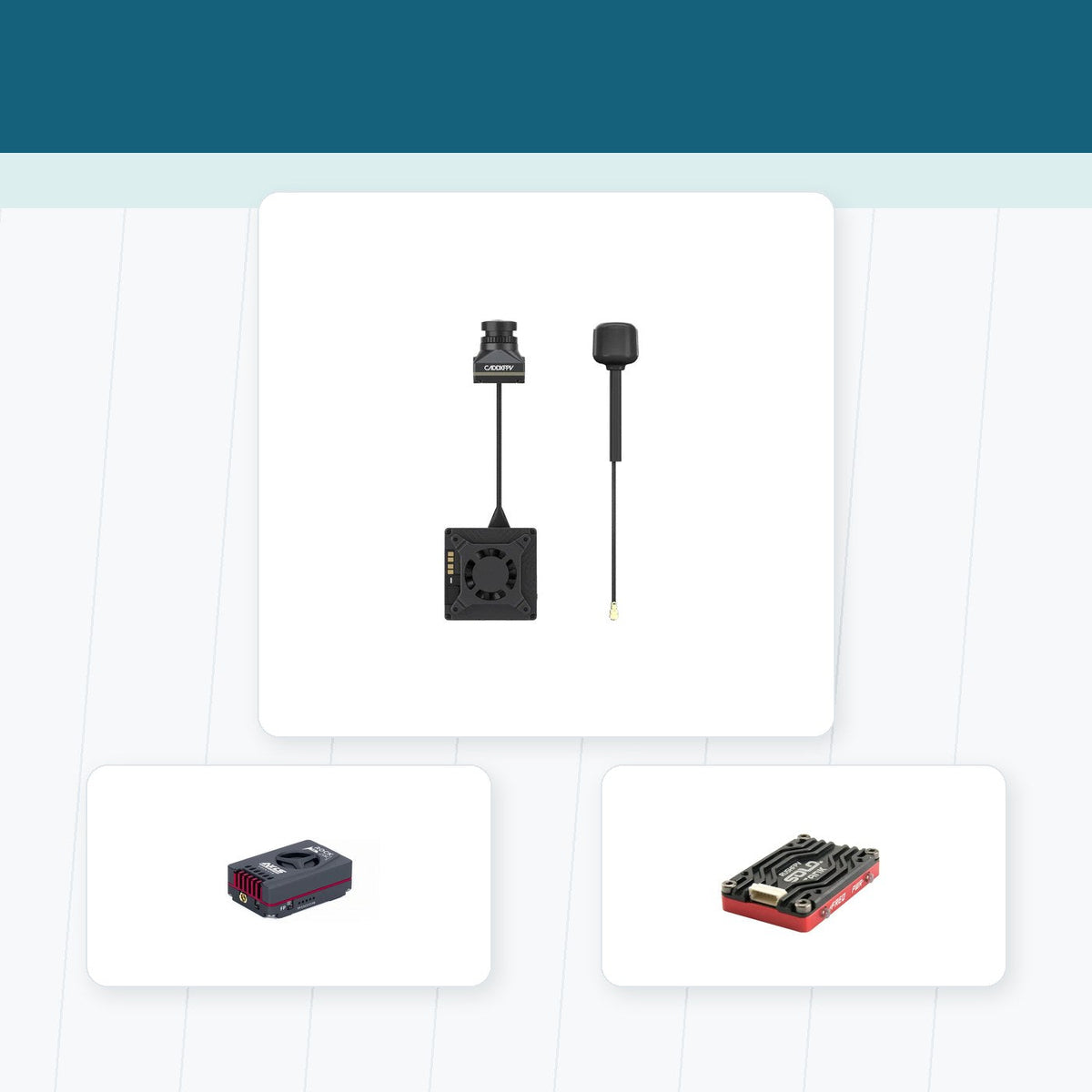
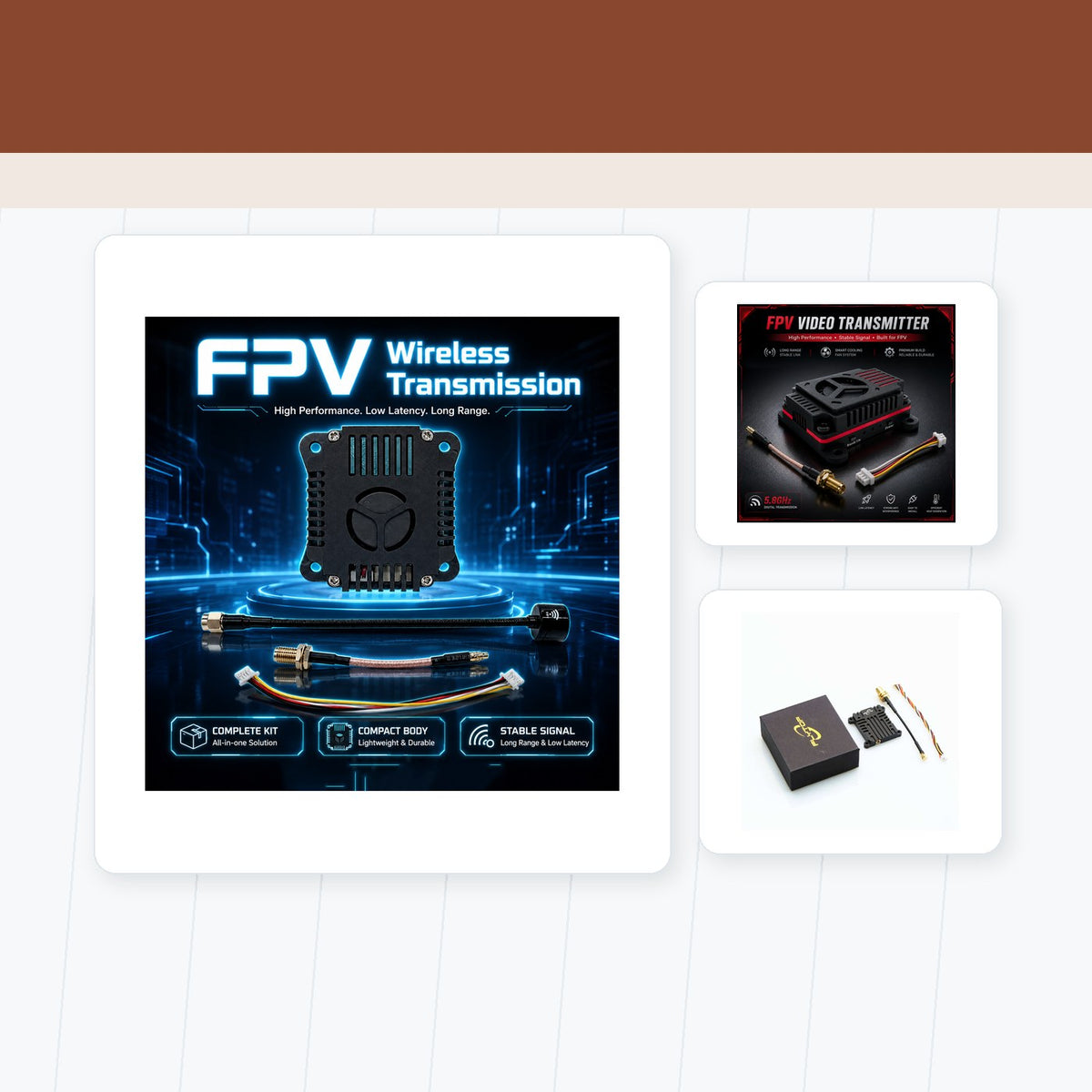
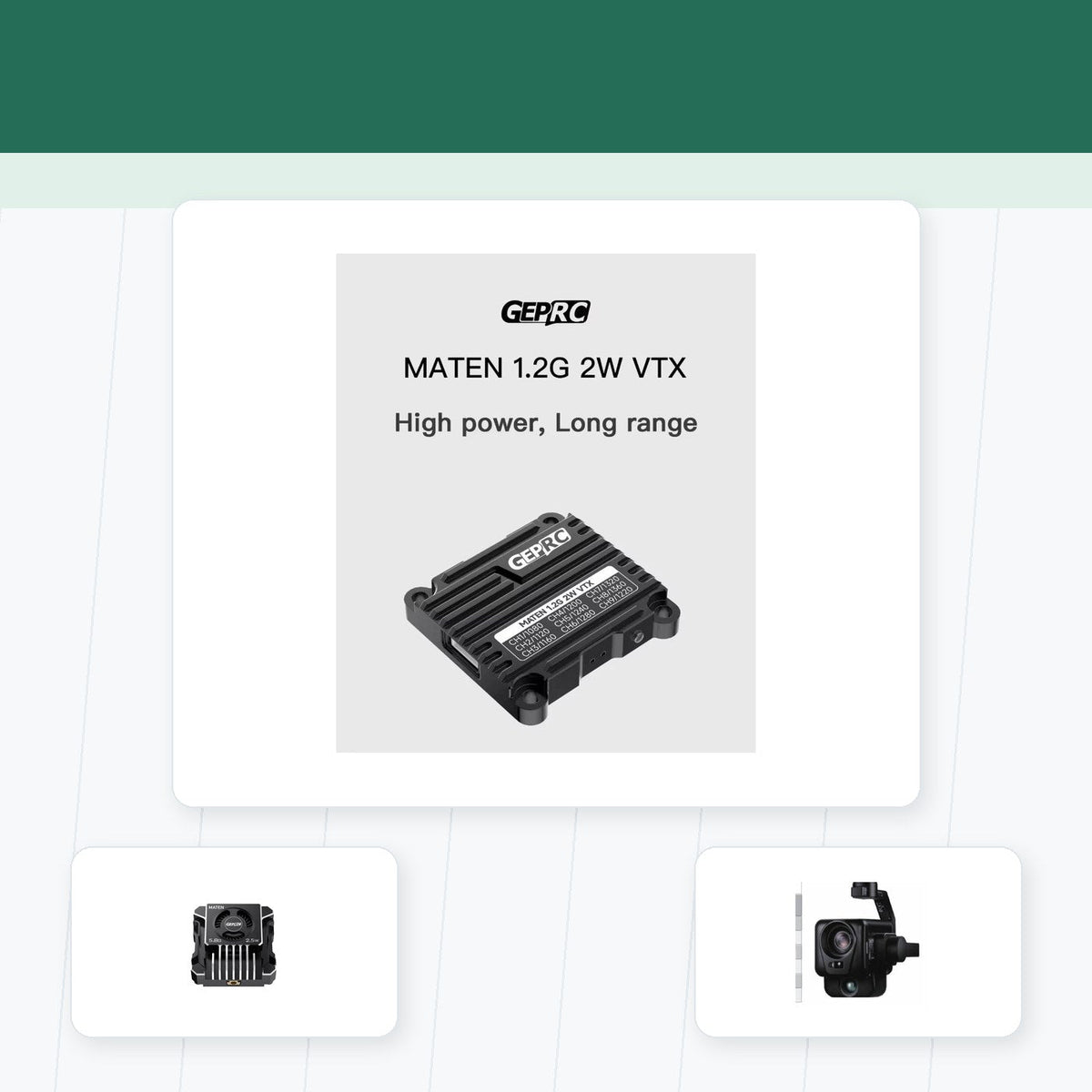
A locally assembled FPV aircraft may be inexpensive and adaptable, but it still needs disciplined configuration control. Motors, ESCs, flight-controller firmware, batteries and radio equipment have to work as a predictable system. A change that improves payload capacity can reduce flight time or control margin. A field-built drone therefore needs test records, safe arming procedures and clear limits before it becomes repeatable rather than merely inventive.
What would show scale
The report does not establish how many aircraft were built, how reliable the system was, or whether the approach is being adopted beyond the regiment. The next evidence would be a documented training pipeline, common parts list, repair process and measured mission performance. The broader trend is clear: frontline users increasingly want a faster path from commercial components to a mission-ready configuration.
Teilen:
UK Forces Down Drone Near Iraq Base
Amazon Drone Plan Faces Local Dispute