
A reported Zipline delivery drone incident near Houston ended with the aircraft descending under a parachute, bringing practical emergency design back into the wider conversation about routine drone operations.

What the report says happened
DroneXL reported that the aircraft was traveling to pick up an order when it experienced a mid-flight issue and deployed a parachute. The drone came to rest on a road, with no reported injuries or property damage. The cause of the original issue was not identified in the report, so the event should be treated as an operational account rather than a final accident investigation.
Why emergency recovery is a system problem
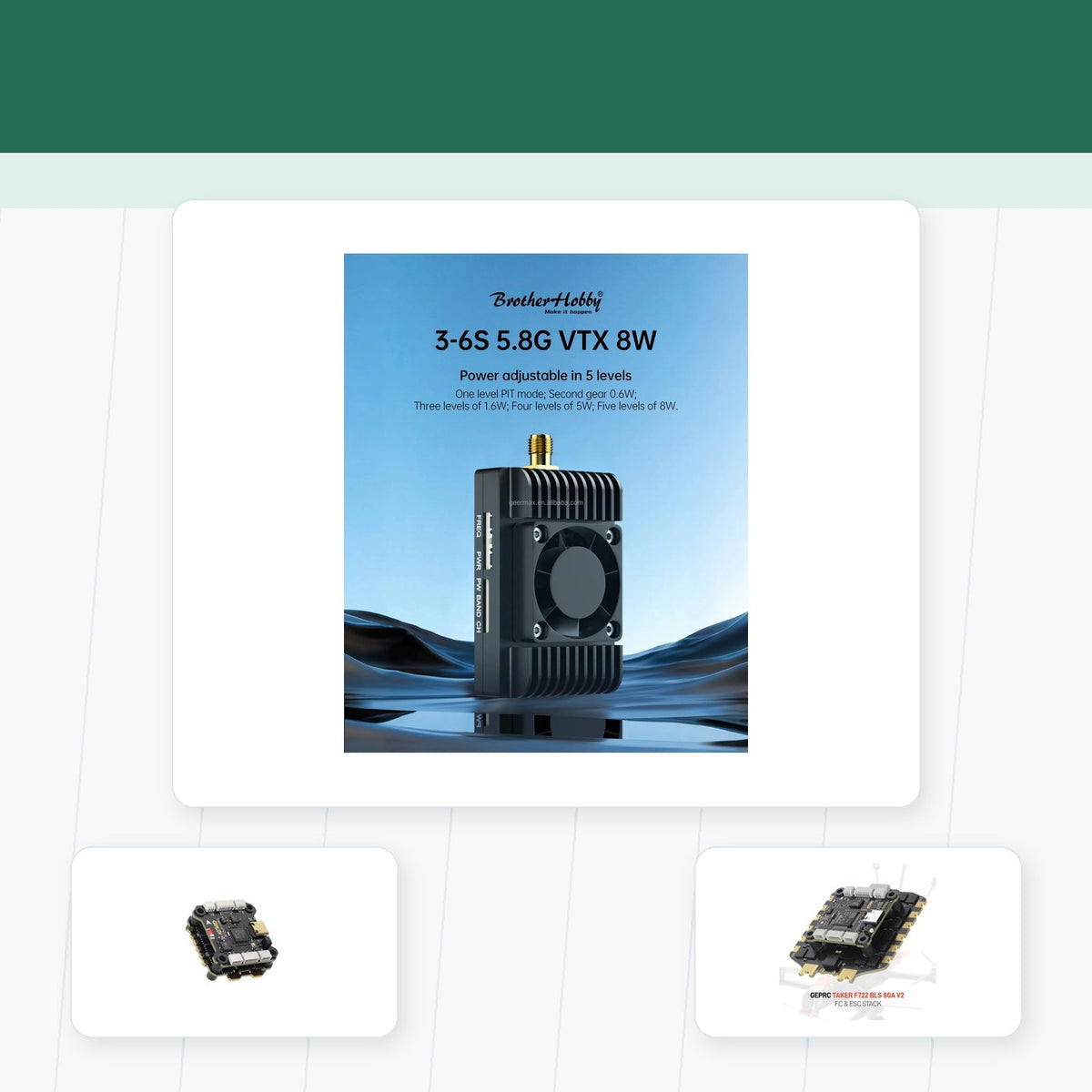
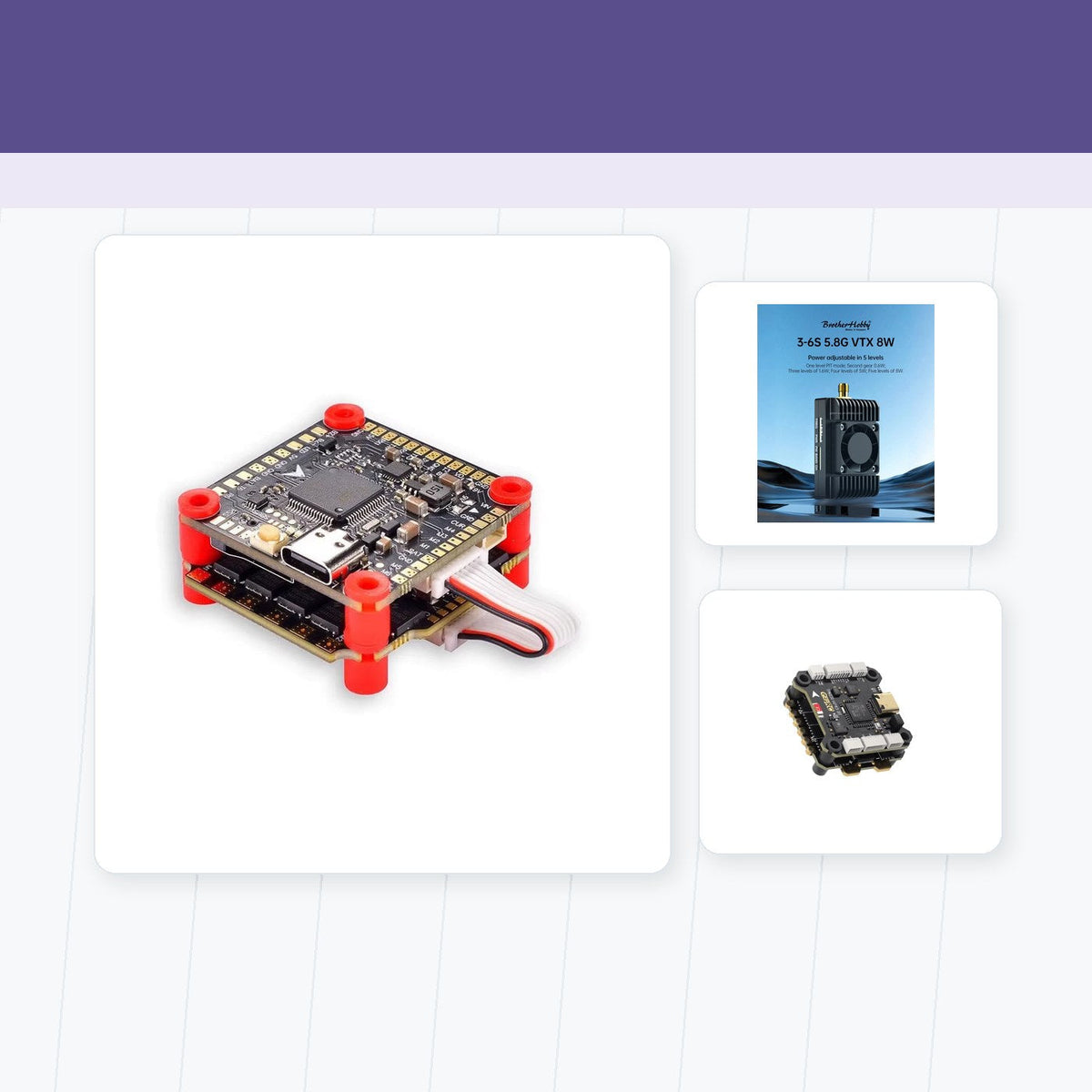
A recovery device has to work with the aircraft's mass, center of gravity, deployment logic, and operating altitude. The normal build still needs a reliable FC and ESC stacks, appropriately rated brushless FPV motors, and a rigid carbon-fiber FPV frames platform so that the aircraft can detect a fault and trigger the correct response before the available altitude disappears.
For delivery operators, the recovery plan also extends to the ground. The route, landing zones, bystander exposure, road crossings, package status, remote supervision, and incident reporting process all affect the real safety outcome. Hardware is one layer in a chain of decisions.
A soft landing is evidence, not a free pass
A parachute descent with no reported injuries is a constructive safety outcome, but it should lead to better questions: what failed, how early was it detected, and how repeatable is the recovery process? Those answers matter more than the dramatic footage of the landing.
Source and editorial note
This is an original English news brief based on DroneXL and Pilot Institute incident report, Zipline official safety information. It summarizes the reported development and adds practical context;.
Teilen:
Adevex Brings Draco C-UAS Systems to UNVEX
NATO Funds Low-Altitude Airspace Technology