
Buying Signals That Matter
Circular Polarization Demystified: LHCP vs. RHCP Antennas in FPV belongs inside the larger topic of goggles, antennas, and video reception. The useful comparison is not only which option is newer or more expensive. The useful comparison is how the choice affects screen type, receiver behavior, antenna polarization, DVR, HDMI, comfort, and signal reliability during a real build, repair, or flying session.
Radio waves can travel in linear or circular polarizations. Using mismatched polarizations causes up to 30dB in signal loss (over 99.9% power loss)!
LHCP (Left-Hand Circular Polarization): Signal rotates counter-clockwise. Standard for DJI Digital HD systems.
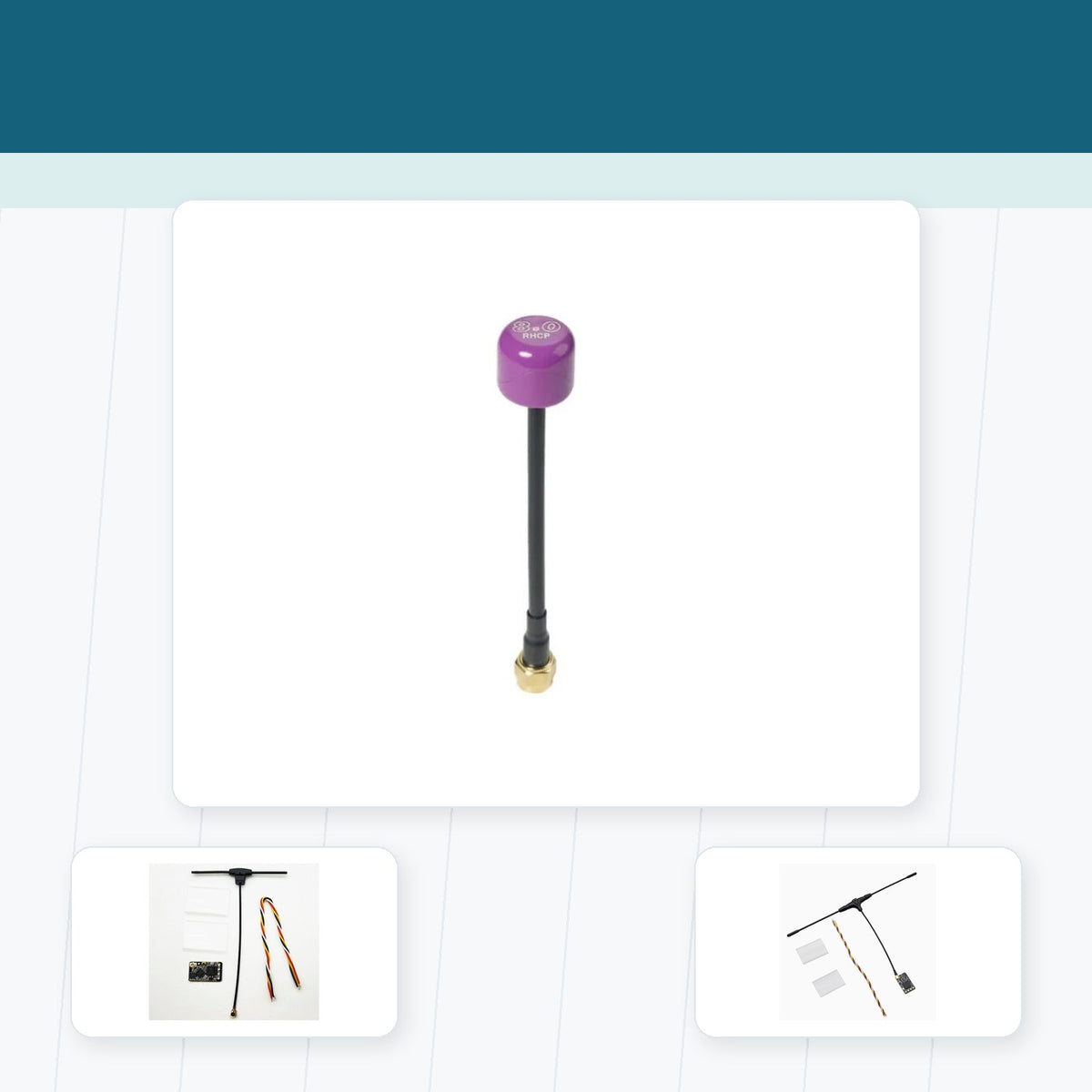
RHCP (Right-Hand Circular Polarization): Signal rotates clockwise. Traditional standard for Analog FPV and Walksnail/HDZero.
Always Match Transmitter and Receiver: VTX antenna and Goggle antennas MUST both be LHCP or both be RHCP.
Use the article as a decision filter. If the change makes the aircraft easier to verify, easier to repair, and more predictable in the air, it is probably useful. If it only adds another setting without solving a specific problem, document the current setup before experimenting.
Setup Details to Verify
Start from a known-good baseline. On the bench, inspect connectors, cable routing, screws, antennas, power input, and firmware target before making software changes. In the configurator, move one setting at a time and write down the original value. At the field, fly the first pack close and simple so you can feel whether the change improved confidence or only changed the sound.
| Pilot goal | Best first check | Why it matters |
|---|---|---|
| Cleaner image | Camera, VTX power, antenna match, receiver module | The goggles cannot repair a weak source signal |
| More range | Antenna orientation, polarization, clear mounting | Small RF mistakes create large signal losses |
| More comfort | Face foam, IPD, diopter, power cable strain | Eye strain and fogging reduce usable flight time |
| Better review footage | DVR settings, SD card, HDMI path, OSD layout | Useful recordings need setup before takeoff |
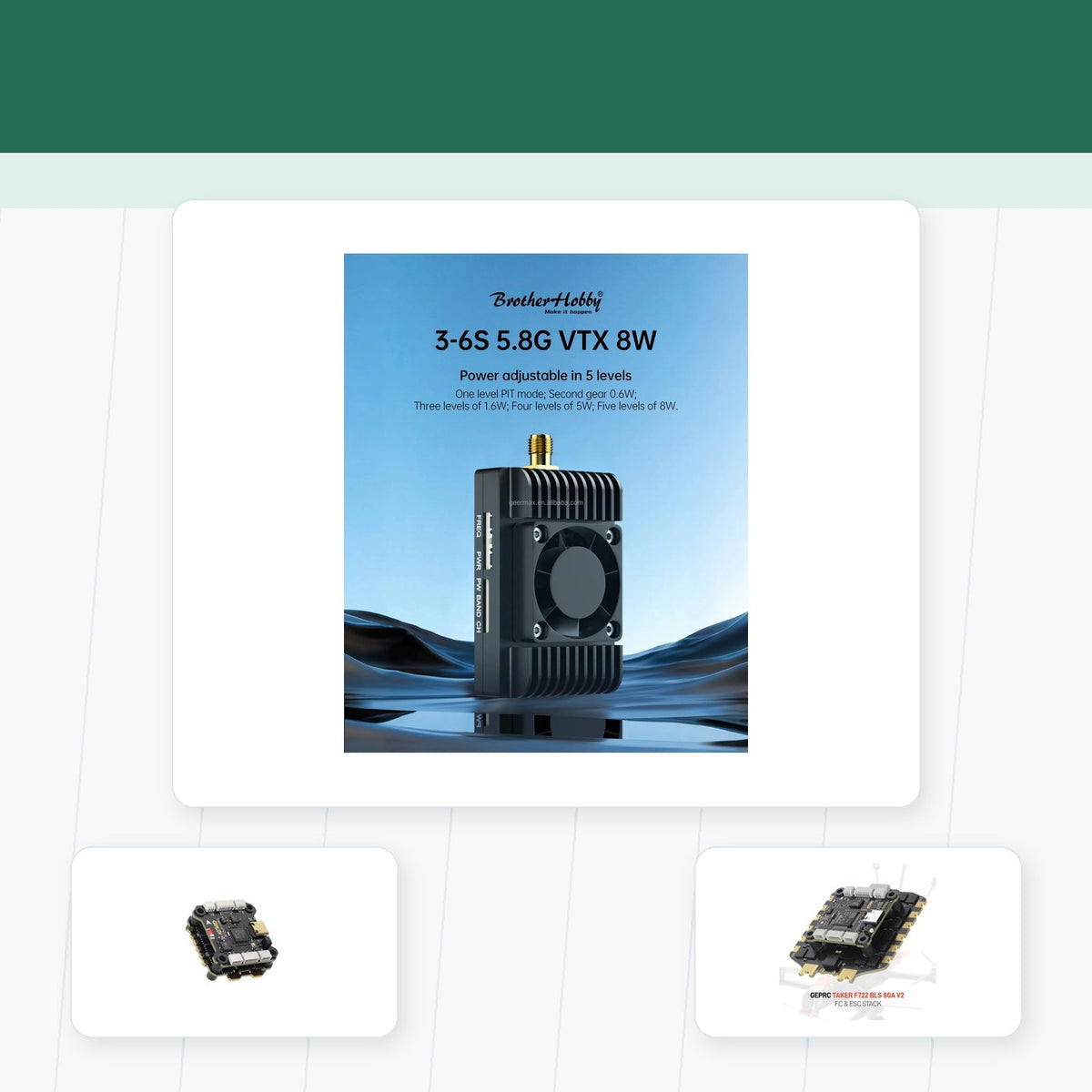
Video reception starts on the aircraft. Pair goggle-side choices with a proven FPV video transmitters setup, then compare specific options such as FLYTOP 4.9G/5.8G 2.5W VTX or 3W 5.8G IRC Tramp FPV VTX when range and penetration matter.
Before the First Pack
The strongest FPV setup habits are repetitive. Save backups. Label parts. Keep compatible cables in the field bag. Check heat after the first flight. Review DVR or blackbox only after you know the mechanical baseline is healthy. When troubleshooting, avoid changing hardware, firmware, props, rates, and filters all at once.
- Confirm the physical setup before trusting software symptoms.
- Use one controlled test flight after every meaningful change.
- Avoid buying parts only because a spec number is larger.
- Keep notes so future repairs start from a known working setup.
- Land early if video, control, heat, or battery behavior feels wrong.
Practical Checklist Before You Spend More Money
Before replacing parts, ask what evidence you actually have. A shaky image can come from antenna placement, VTX heat, camera mounting, or a damaged coax connector. A bad tune can come from bent props, loose stack screws, soft gummies, motor bearings, or a wrong firmware target. A lost setting can come from skipping backups rather than from a bad flight controller.
Good troubleshooting narrows the problem. Take one photo of the wiring, one screenshot of the current configuration, and one short note after the test flight. If the issue improves, you know which change helped. If it gets worse, you can step back without guessing. That habit saves more money than most upgrades because it keeps a small setup issue from turning into a full rebuild.
Also separate beginner convenience from advanced capability. A feature that helps a racer may distract a first-time builder. A long-range setting may be pointless on a park flyer. A premium receiver module may not matter if the aircraft-side antenna is hidden behind carbon or a battery. Match the article topic to the way the pilot will actually fly this month, not to the most ambitious future version of the build.
Final Takeaway
For freestyle, long range, spectator setups, success usually comes from compatibility and repeatability. A good setup does not need constant guessing. It gives you a stable image, predictable control, readable warnings, and parts that remain cool enough to trust. Build toward that standard and the rest of the FPV workflow becomes much calmer.
Teilen:
Top FPV Antennas Explained: Omni-Directional vs. Directional Patch Antennas
How Diversity and True Diversity Receivers Work in Analog FPV