Pushing distance limits safely requires redundant control links, high-gain antennas, and strict Li-Ion battery management.

This guide focuses on the practical decisions behind Long-Range FPV Exploration: Best Equipment, Setup & Safety Protocols. Use it to understand what changes on the aircraft, what to check before flight, and how to avoid buying or tuning around the wrong problem.
What the Spec Really Changes
Long-Range FPV Exploration: Best Equipment, Setup & Safety Protocols sits inside the larger topic of commercial FPV work, compliance, business operations, and professional readiness. The important question is not whether one number, product, or workflow sounds advanced. The important question is whether it gives the pilot more predictable control, cleaner footage, safer power handling, or a better chance of finishing the session without avoidable repairs.
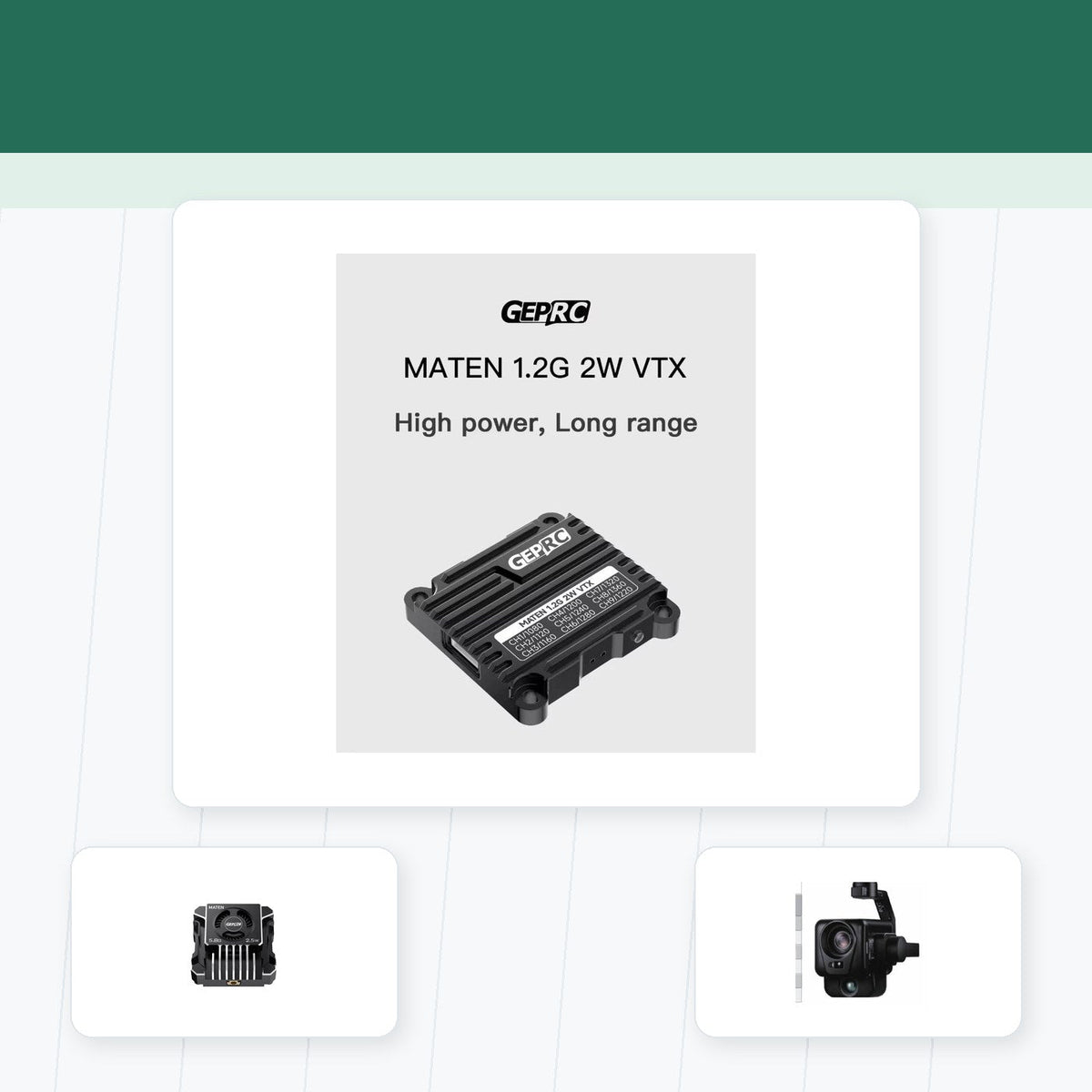
Combine 868/915MHz ExpressLRS or TBS Crossfire with high-power VTX and directional helical/patch antennas.
Why 18650/21700 Lithium-Ion packs offer superior energy density for extended 20+ minute flight times.
Always test GPS Rescue modes at short distance before attempting mountain flights.
For long range FPV setup, crossfire long range FPV, verify the result against your aircraft, flight conditions, and maintenance records. A good FPV setup works because the parts and habits agree with each other. Battery choices affect motor load, tuning depends on mechanical health, video quality depends on mounting and transmission, and commercial work depends on preparation as much as flying skill.
A Better Way to Compare Options
Start with the use case. A backyard practice quad, a long-range cruiser, a race build, a cinematic rig, and a commercial fly-through all need different compromises. Write down the aircraft size, video system, expected flight time, field conditions, and repair tolerance before changing parts or settings.
| Professional area | Check | Why |
|---|---|---|
| Compliance | Current local rules and permissions | Rules change and jobs may cross jurisdictions |
| Reliability | Preflight, spares, and repair plan | A paid flight needs backup thinking |
| Delivery | Shot list, file workflow, client expectations | Good flying alone is not a business |
| Risk | Insurance, site safety, weather limits | Protects people, property, and the pilot |
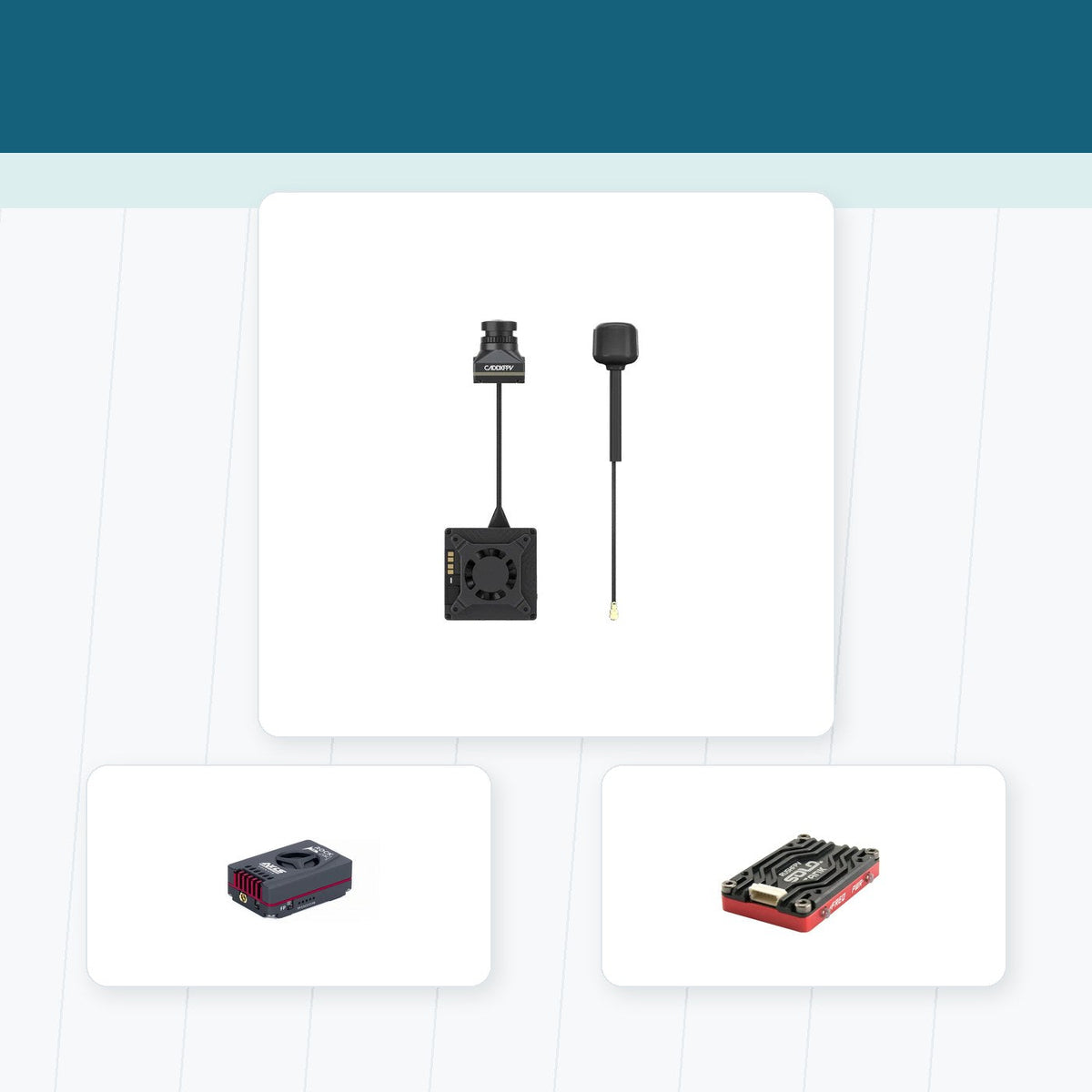
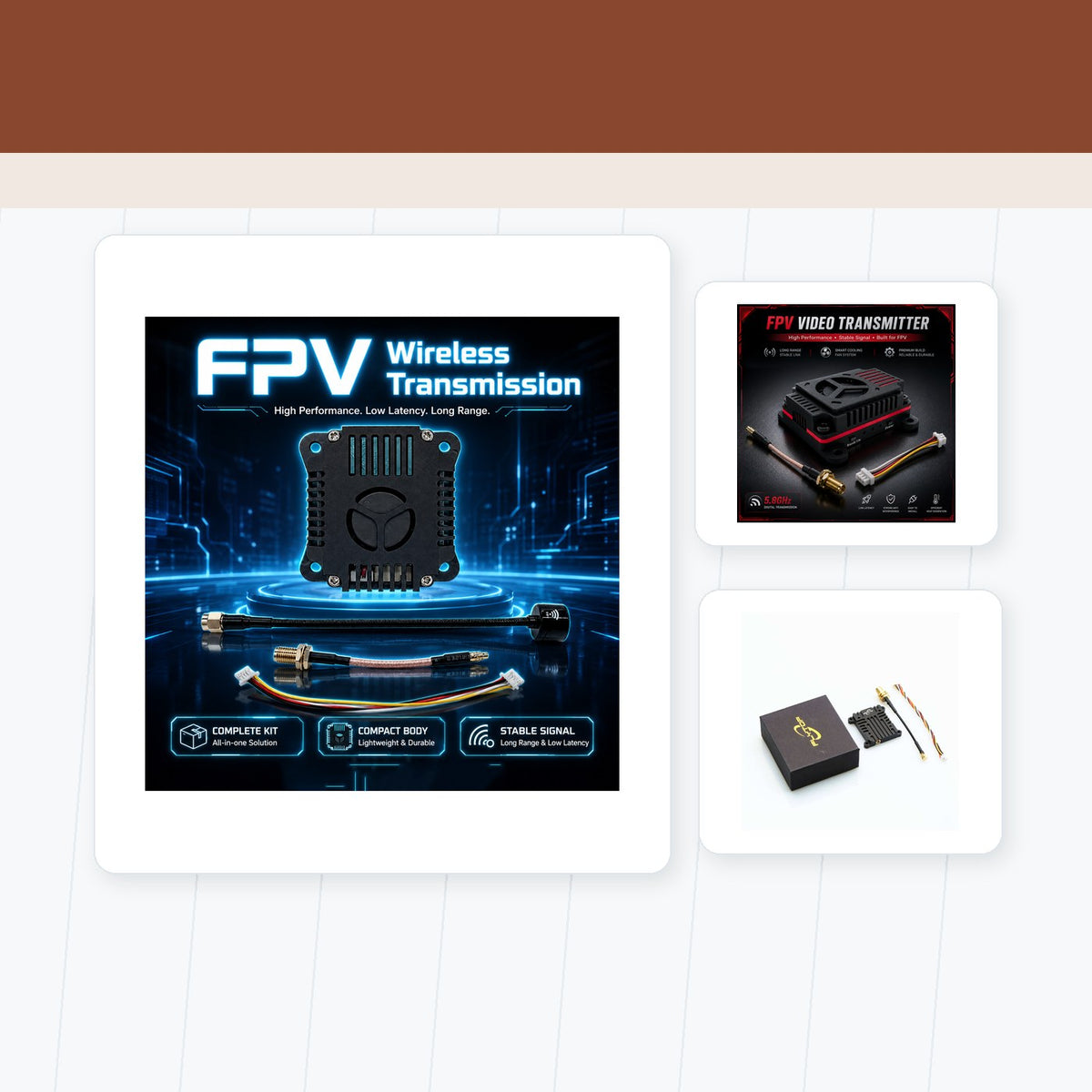
For commercial or advanced FPV planning, the aircraft still needs a reliable core: RTF and BNF FPV drones, RadioMaster FPV radios, FPV cameras, and FPV video transmitters should be checked before the job, not after a problem appears.
When to Stop Adjusting
For Long-Range FPV Exploration: Best Equipment, Setup & Safety Protocols, begin by defining the aircraft, flight condition, and result you actually need. Check the baseline hardware and local constraints before changing a setting or buying a part, because the same symptom can have several causes.
- Check the physical setup before blaming software or buying upgrades.
- Confirm the first flight after a change close to the pilot, not at maximum range.
- Keep safety routines boring and repeatable, especially around LiPo batteries.
- Use readable OSD data, notes, and post-flight checks to guide the next decision.
- Retire damaged parts early when heat, corrosion, puffing, or signal instability appears.
How to Decide What Comes Next
Use long range FPV setup, crossfire long range FPV as a controlled decision process. Keep one known-good baseline, change one meaningful variable, and compare the result under similar conditions so the next action is based on evidence rather than a guess.
The value of long range FPV setup, crossfire long range FPV is in how it fits the complete flight workflow. Hardware choice, setup quality, pilot technique, weather, video reliability, and maintenance habits all influence whether the change works outside the bench.
For long range FPV setup, crossfire long range FPV, note the configuration, environment, test result, and follow-up action. These small records make future troubleshooting faster and help distinguish a repeatable improvement from a one-off success.
Practical Takeaway
The practical goal of Long-Range FPV Exploration: Best Equipment, Setup & Safety Protocols is a result that is predictable, explainable, and easy to repeat. Choose the change that improves the whole workflow, not merely the most impressive specification.
A practical way to apply long range FPV setup, crossfire long range FPV is to define success before the first test. Decide which flight behavior, image result, reliability signal, or maintenance outcome should improve, then use the same baseline to compare the change. This keeps Long-Range FPV Exploration: Best Equipment, Setup & Safety Protocols grounded in an observable result that can be repeated later.
Teilen:
Commercial Liability Insurance for FPV Pilots: What You Need to Know
FPV Drone Racing vs. Freestyle: Hardware Setup & Flight Tuning Differences