Many online discussions about drone income make the same mistake: they take a day rate and multiply it by the number of days in a year. That produces impressive revenue, not reliable personal income. The more useful calculation starts with utilization, then subtracts the costs required to remain legal, safe, available, and capable of delivering the promised result.

Start with billable days
SkyLog’s current U.S. marketplace data puts the median quoted drone day near $600, with a wider typical range of $200–$1,400. Imagine a pilot who quotes $600 but secures only 10 billable days in a month. Gross monthly revenue is $6,000, before travel, insurance, maintenance, editing, software, taxes, and unpaid sales time.
At 15 billable days the same rate produces $9,000 gross, but the extra jobs may require more batteries, repairs, subcontractors, rush editing, and travel. The point is not that a $600 day is good or bad. The point is that utilization determines whether the rate becomes a living income.
The cost stack behind one flight
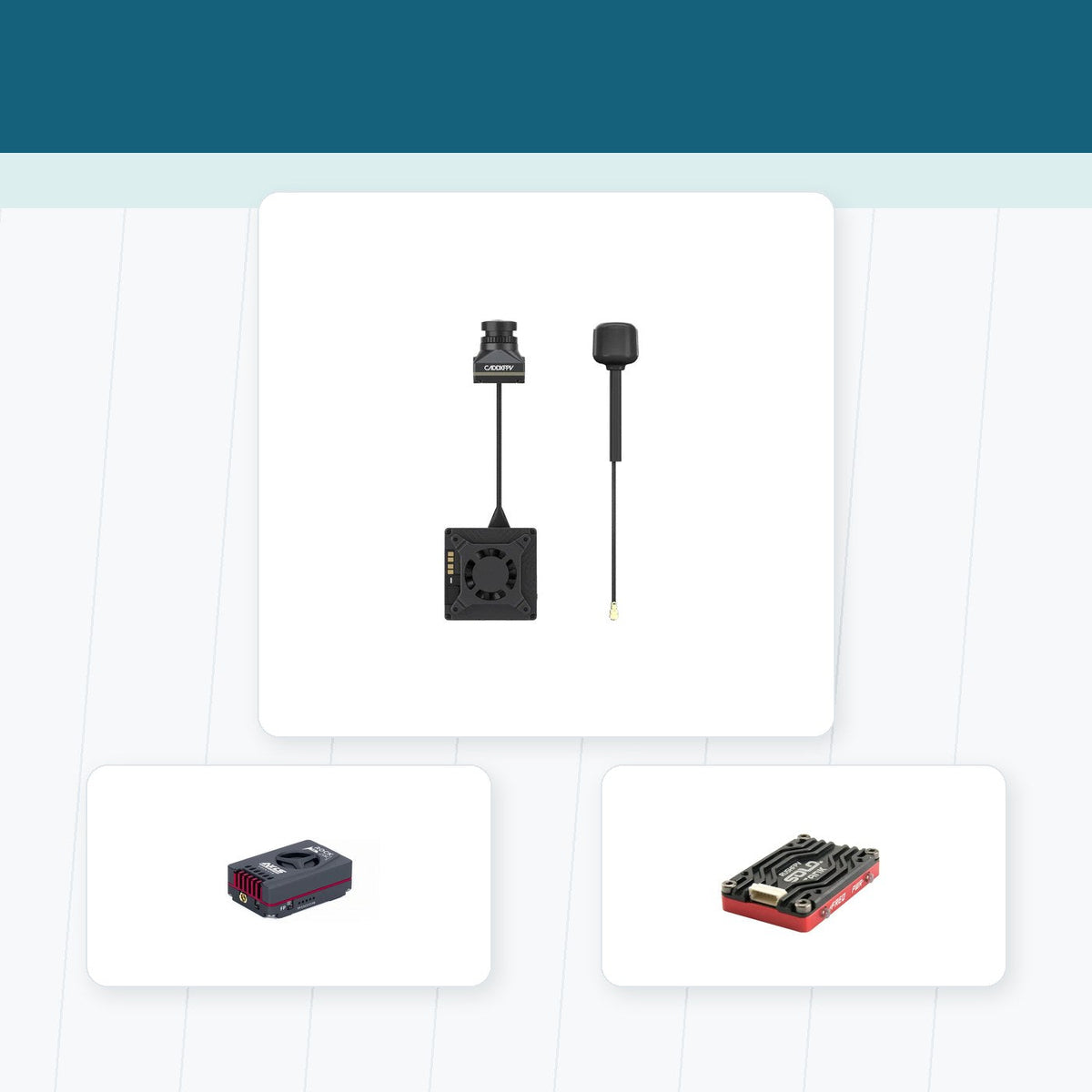
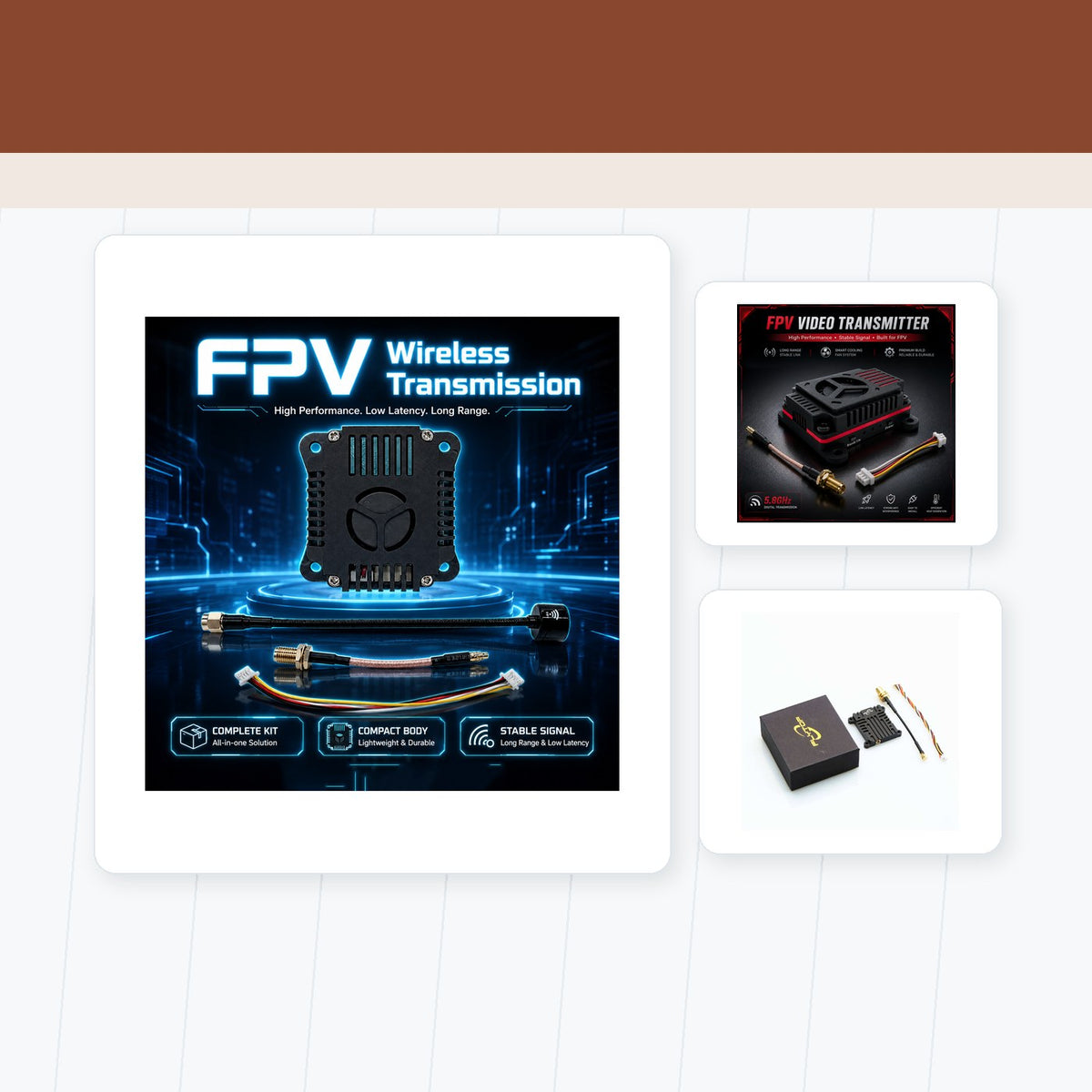
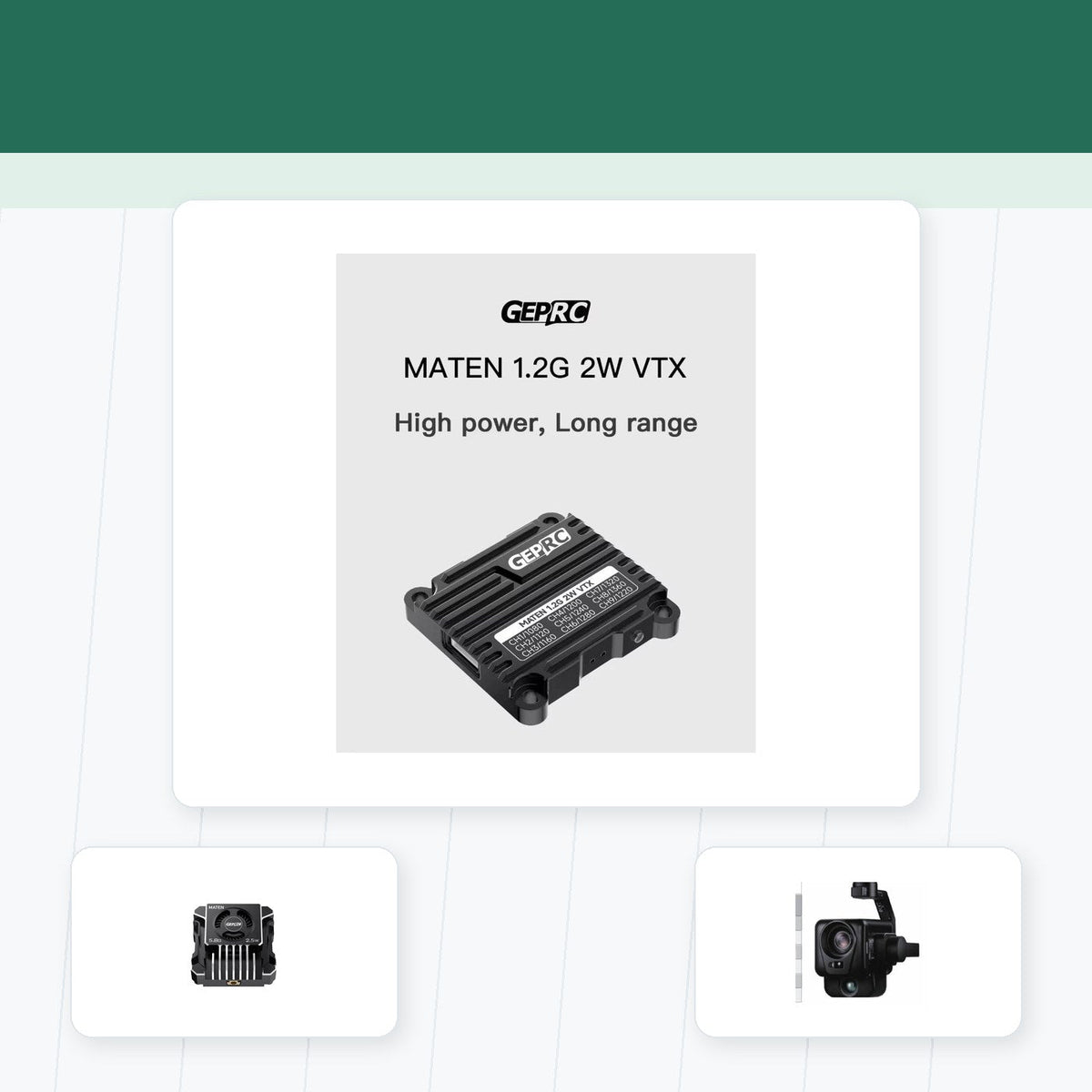
Equipment depreciation is easy to ignore. Frames, motors, propellers, batteries, cameras, video transmitters, chargers, tablets, and storage all have a useful life. A crash or a failed battery can turn a profitable-looking job into a repair bill. For an FPV cost model, use current frame, motor, propeller, and VTX categories as replacement-cost references.
Insurance and compliance are part of the service. In the United States, the FAA requires a remote pilot certificate for operations under Part 107. Depending on the job, the client may also require liability coverage, additional insured language, waivers, permits, or a documented safety plan.
Time outside the flight includes quoting, route planning, travel, site induction, weather monitoring, data backup, client revisions, and bookkeeping. A two-hour shoot may consume a full working day. If the pilot does not price that time, the effective hourly income falls silently.
Taxes and benefits separate a contractor’s invoice from personal take-home pay. Employees may receive paid leave, health benefits, retirement contributions, and employer-provided equipment. Freelancers need to create their own reserve for slow months, tax payments, replacement gear, and time off.
A simple planning model
A conservative monthly model can use this formula:
gross revenue = average project price × billable projects
Then subtract direct project costs, monthly operating costs, tax reserve, and a replacement-equipment reserve. What remains is closer to owner income. Keep a separate line for unpaid business development so a busy sales month is not mistaken for a high-profit month.
The model should also include a “no-fly” assumption. Weather, unsafe conditions, client cancellations, airspace limits, and equipment failure are normal business risks. A pilot who assumes every calendar day is available will overestimate income and underfund maintenance.
Why a lower quote can be more profitable
A repeat inspection route with nearby sites and standardized reporting may create less gross revenue per job but a better margin. A spectacular one-off FPV shoot may carry a high invoice but require scouting, rehearsals, a spotter, a special camera, travel, and multiple revisions. Profit follows the workflow, not the drama of the footage.
This is also why specialization can improve income without simply raising the hourly price. Templates, checklists, preconfigured aircraft, repeat clients, and clear deliverables reduce unpaid time and make the schedule more predictable.
### Bottom line
The question is not “Can I charge $600 a day?” It is “After realistic utilization and operating costs, what does each available workday contribute?” Pilots who track net project margin will make better equipment decisions, set healthier quotes, and avoid confusing a busy calendar with a profitable business.
Sources
- SkyLog: U.S. drone pilot day-rate data — quoted hourly and daily market ranges.
- FAA: Remote Pilot Certificate requirements — U.S. commercial certification and recurrent training.
- FAA: Small UAS Part 107 rules — operating requirements and limitations.
Compartir:
Construcción de un Cinewhoop de carga pesada / dron de levantamiento para cámaras de cine RED y Arri
SwRI Unveils Event-Camera Drone Detector