
Heven AeroTech has opened a Virginia facility for hydrogen-drone production, bringing long-endurance power technology into the broader discussion about domestic UAV manufacturing.

Why hydrogen keeps returning
Hydrogen systems can offer a different endurance profile from conventional battery packs, especially for aircraft that need to remain airborne for long periods. The trade-offs include storage, fuel-cell integration, thermal management, safety, and logistics.
A factory announcement is therefore about more than a new airframe. It also signals investment in test equipment, assembly procedures, and a supply chain for a specialized power system.
What FPV builders can compare
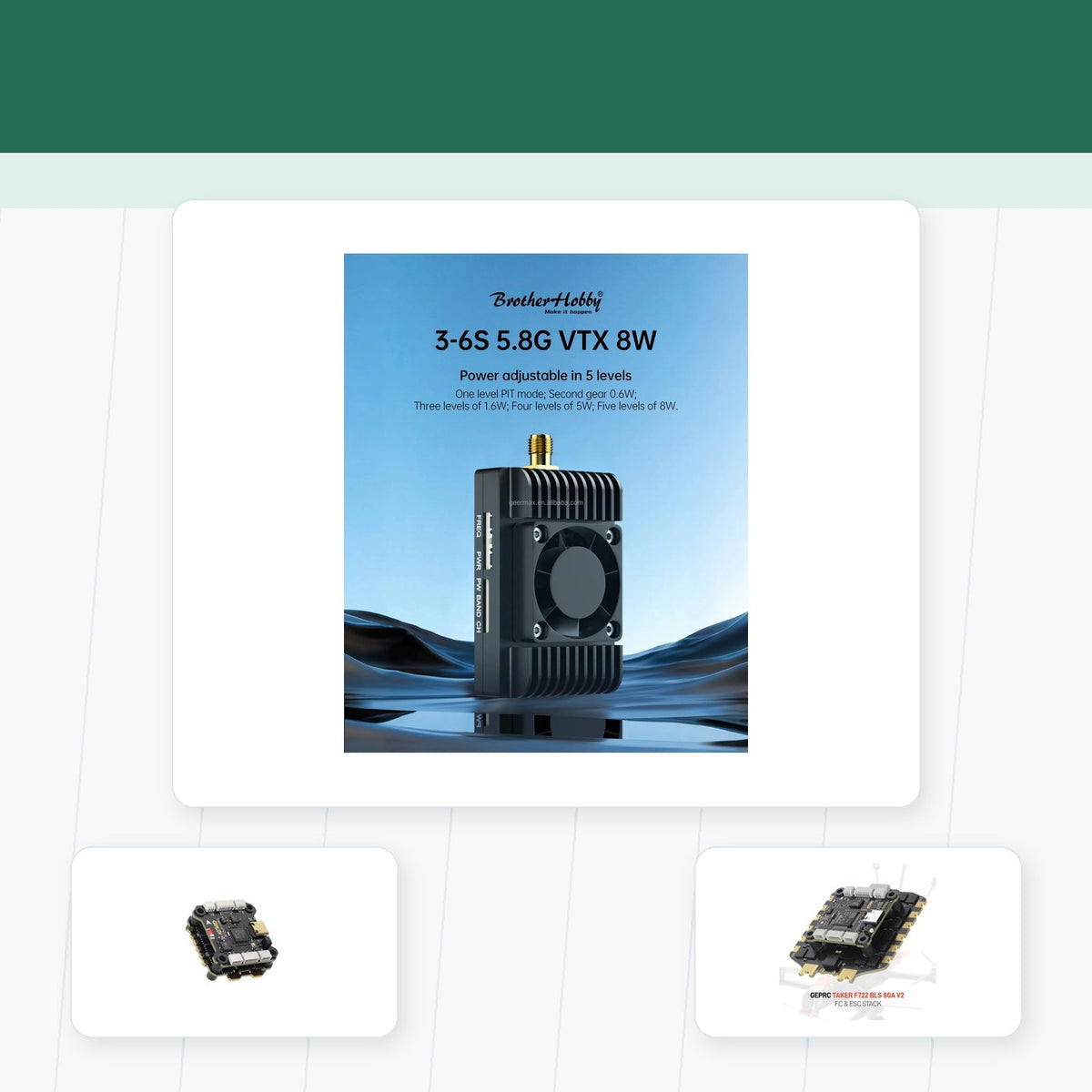
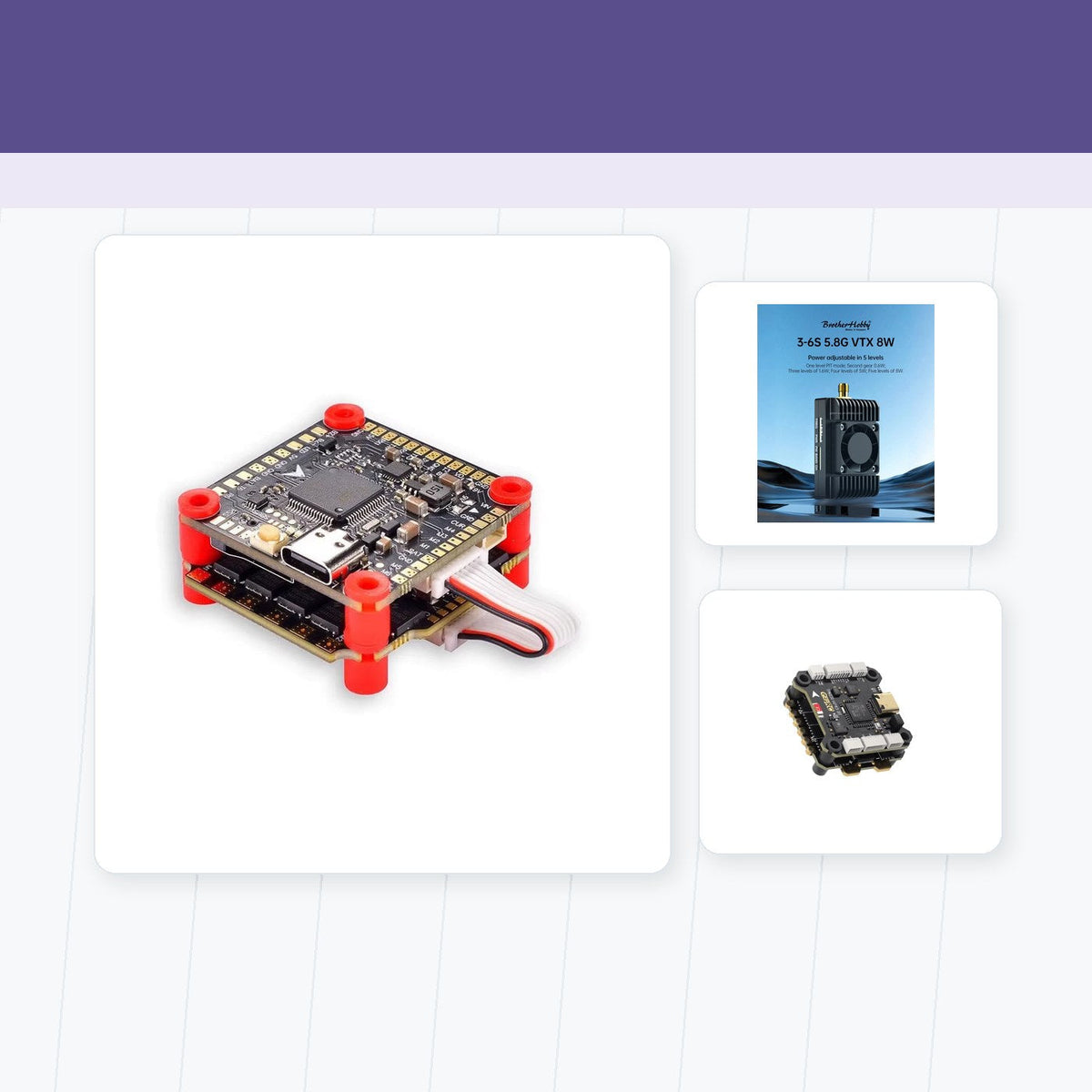
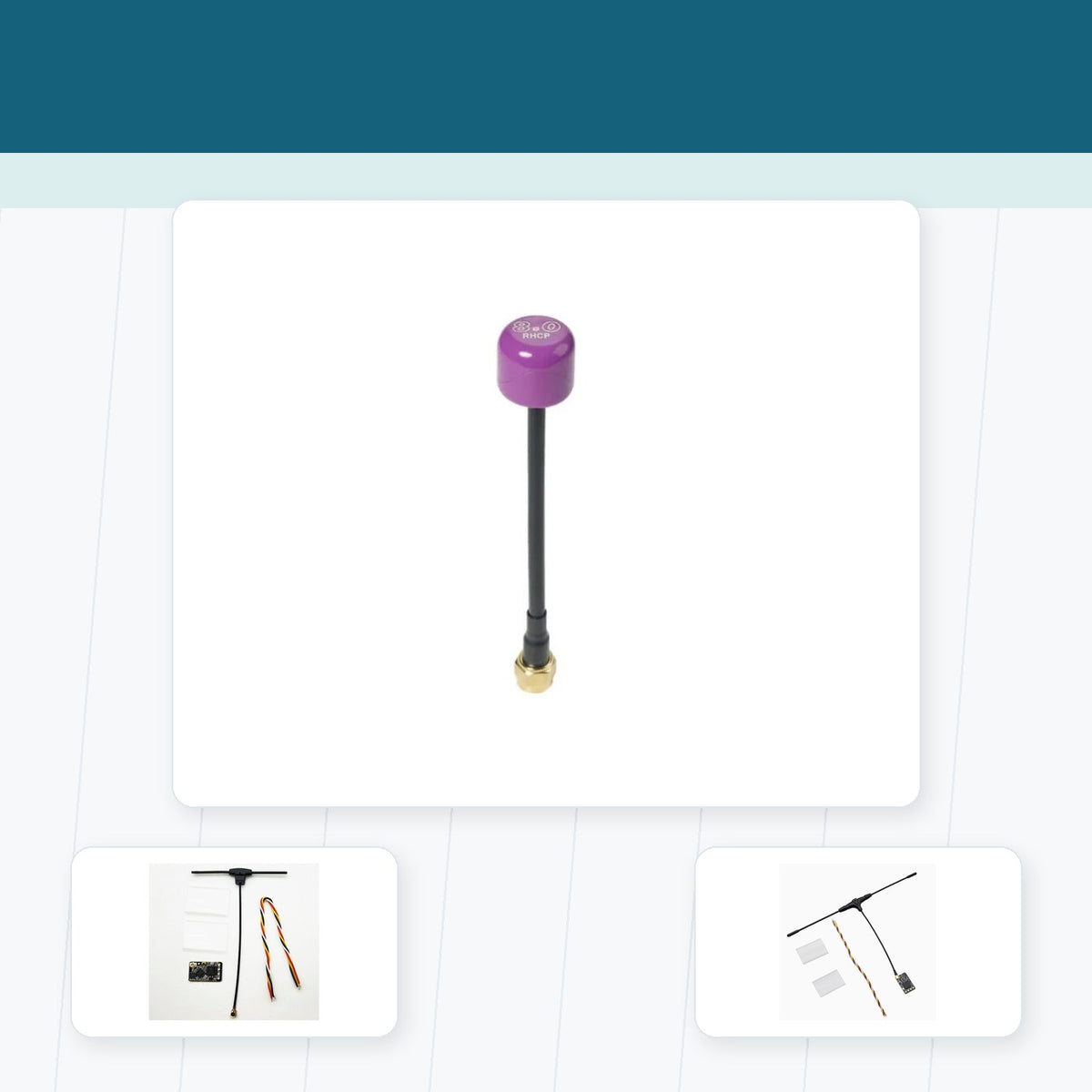
Small FPV aircraft will usually remain battery-electric, but the design questions overlap. A matched brushless FPV motors and FPV propellers combination, a sensible FC and ESC stacks layout, and a rigid carbon-fiber FPV frames frame all improve the efficiency of the system.
The important habit is to evaluate the complete powertrain rather than compare energy numbers from two technologies without considering packaging and mission requirements.
Claims need operational context
The company's range, payload, and production claims should be kept attributed until independent flight and availability data are published. Buyers will also need to know how the hydrogen system is serviced in the field.
Power technology must survive the field
Hydrogen may become important for selected long-endurance missions, but the decisive test is operational support. A power system is useful when teams can safely store it, maintain it, and rely on it away from the factory.
Source and editorial note
This is an original English news brief based on DRONELIFE report on Heven AeroTech.
Teilen:
GeoCue Adds Ouster LiDAR to TrueView Payloads
Avidrone Reports a 3.84:1 Heavy-Lift Ratio