Spain's aviation regulator AESA has issued a new Light UAS Operator Certificate to CATEC, a step that reduces repeated approval work for certain operations that have already been assessed.

What a LUC certificate changes
A Light UAS Operator Certificate recognizes an operator's organizational, operational, and safety maturity. It can allow some pre-assessed operations to be managed with more autonomy instead of requiring a separate approval for every flight.
It does not mean that every flight is unrestricted. The operator still works inside the approved scope, operating procedures, risk controls, and geographic rules that support the certificate.
Why this matters to drone teams
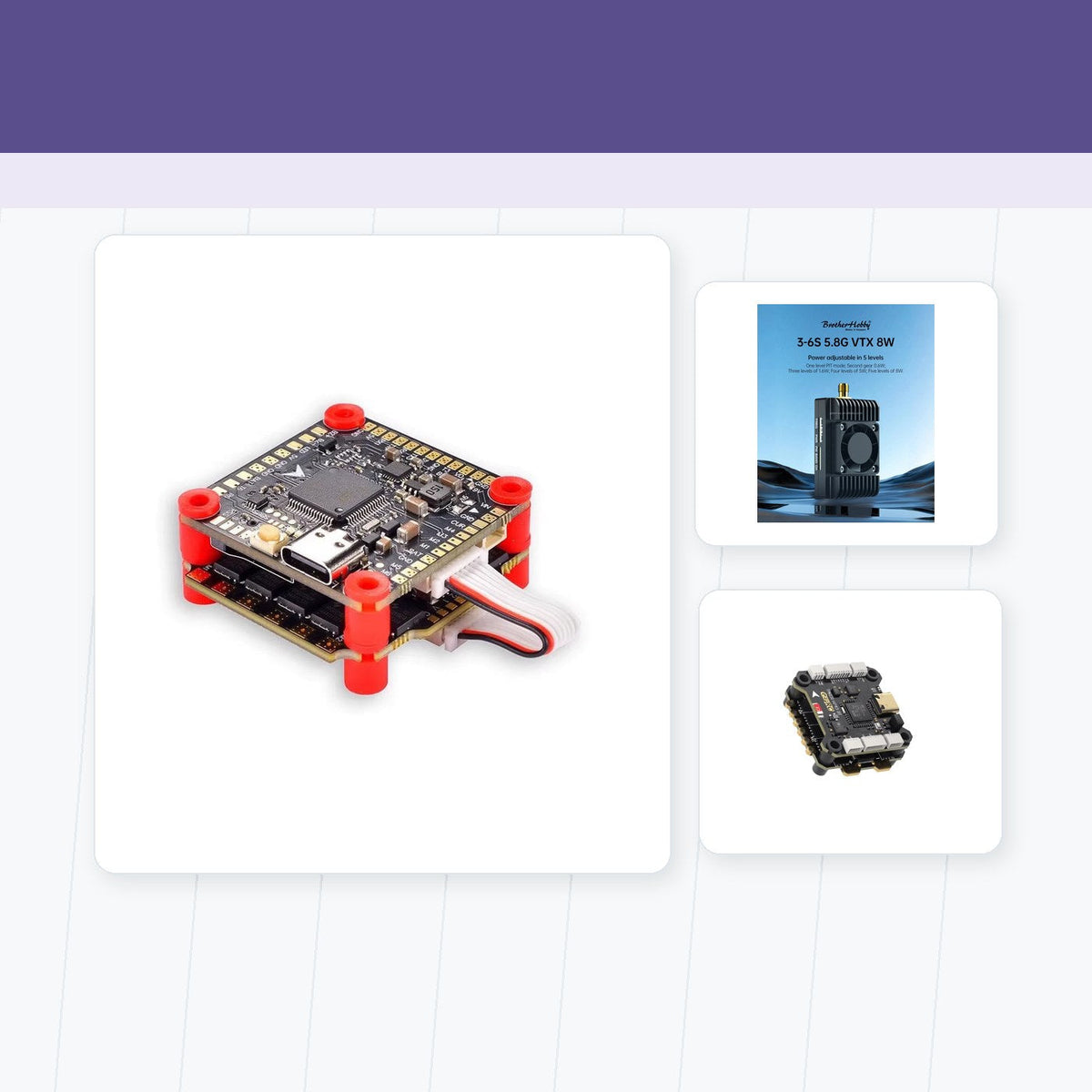
A mature operating system is built around more than the aircraft. It includes documented maintenance, reliable FC and ESC stacks, a tested video link, and a clear record of how the aircraft is configured. For a fleet, repeatability often matters more than a single high specification.
The same thinking helps FPV builders. A stable carbon-fiber FPV frames platform and compatible brushless FPV motors make testing and replacement easier when several aircraft need to follow the same procedure.
The evidence to watch
Future operational authorizations and published procedures will show how much practical freedom the certificate provides. Readers should distinguish a certification framework from a blanket permission to fly anywhere.
Operational maturity is the real story
CATEC's certificate is interesting because it links innovation with operational discipline. The long-term benefit is faster, safer testing supported by processes that another team can understand and repeat.
Source and editorial note
This is an original English news brief based on Infodron report on AESA and CATEC.

Teilen:
Bechtel and Cyberhawk Expand AI Construction Monitoring
2,977 Drones Turn New York Sky Into a Memorial