
Puffed, dented, or punctured LiPo batteries present severe fire hazards. Here is how to safely neutralize and dispose of them.

This guide focuses on the practical decisions behind How to Safely Discharge and Safely Dispose of Damaged LiPo Batteries. Use it to understand what changes on the aircraft, what to check before flight, and how to avoid buying or tuning around the wrong problem.
What the Spec Really Changes
How to Safely Discharge and Safely Dispose of Damaged LiPo Batteries sits inside the larger topic of FPV repair, soldering, diagnostics, and field maintenance. The important question is not whether one number, product, or workflow sounds advanced. The important question is whether it gives the pilot more predictable control, cleaner footage, safer power handling, or a better chance of finishing the session without avoidable repairs.
Step 1: Complete Discharge ($0.0\text{V}$)
Use a smart discharger (e.g., ISDT FD-100) or halogen bulb discharger to drop battery voltage down to $0.0\text{V}$ per cell.
Avoid saltwater baths—they cause wire tabs to corrode away before full discharge is reached!
Verify voltage across main connector reads $0.0\text{V}$ with a multimeter.
For safely discharge dead swollen LiPo battery disposal, verify the result against your aircraft, flight conditions, and maintenance records. A good FPV setup works because the parts and habits agree with each other. Battery choices affect motor load, tuning depends on mechanical health, video quality depends on mounting and transmission, and commercial work depends on preparation as much as flying skill.
A Better Way to Compare Options
Start with the use case. A backyard practice quad, a long-range cruiser, a race build, a cinematic rig, and a commercial fly-through all need different compromises. Write down the aircraft size, video system, expected flight time, field conditions, and repair tolerance before changing parts or settings.
| Repair area | Good sign | Stop and inspect |
|---|---|---|
| Solder joints | Shiny, secure, no bridge | Dull blob or lifted pad |
| Boards | No corrosion or burnt smell | White residue, black marks, missing parts |
| Motors | Spin smooth and stay cool | Grinding, wobble, or hot bell |
| Power-up | Smoke stopper passes | Short warning or instant heat |
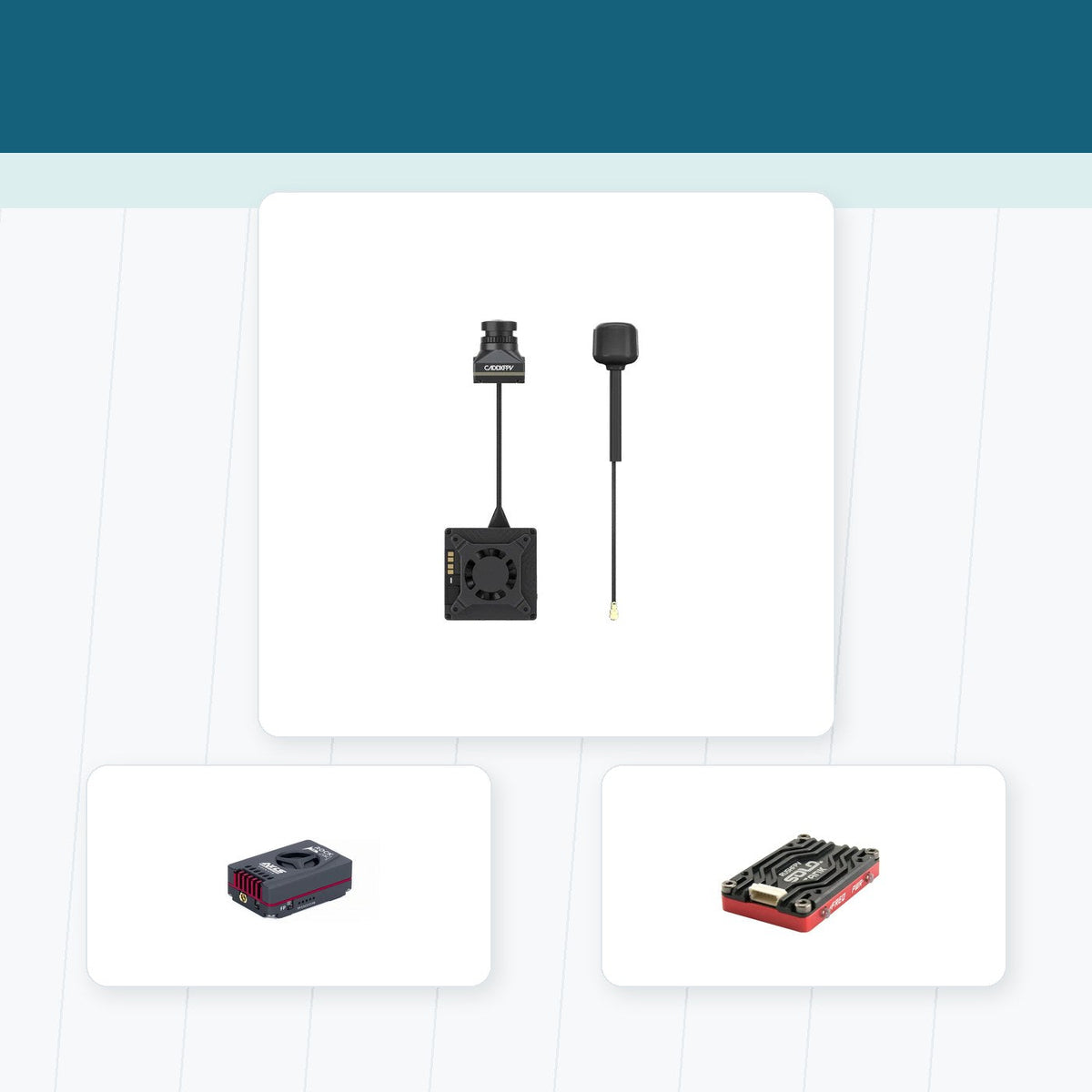
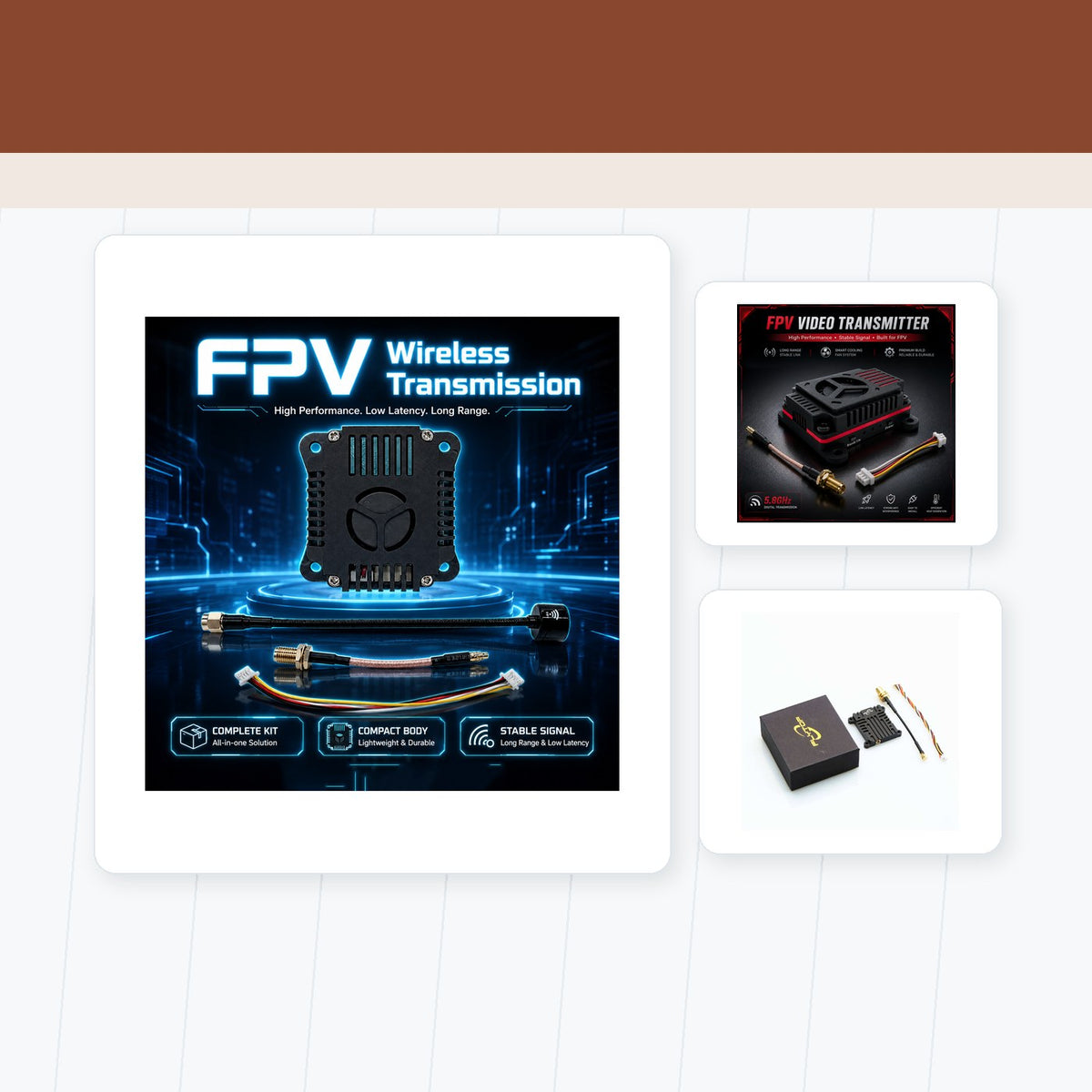
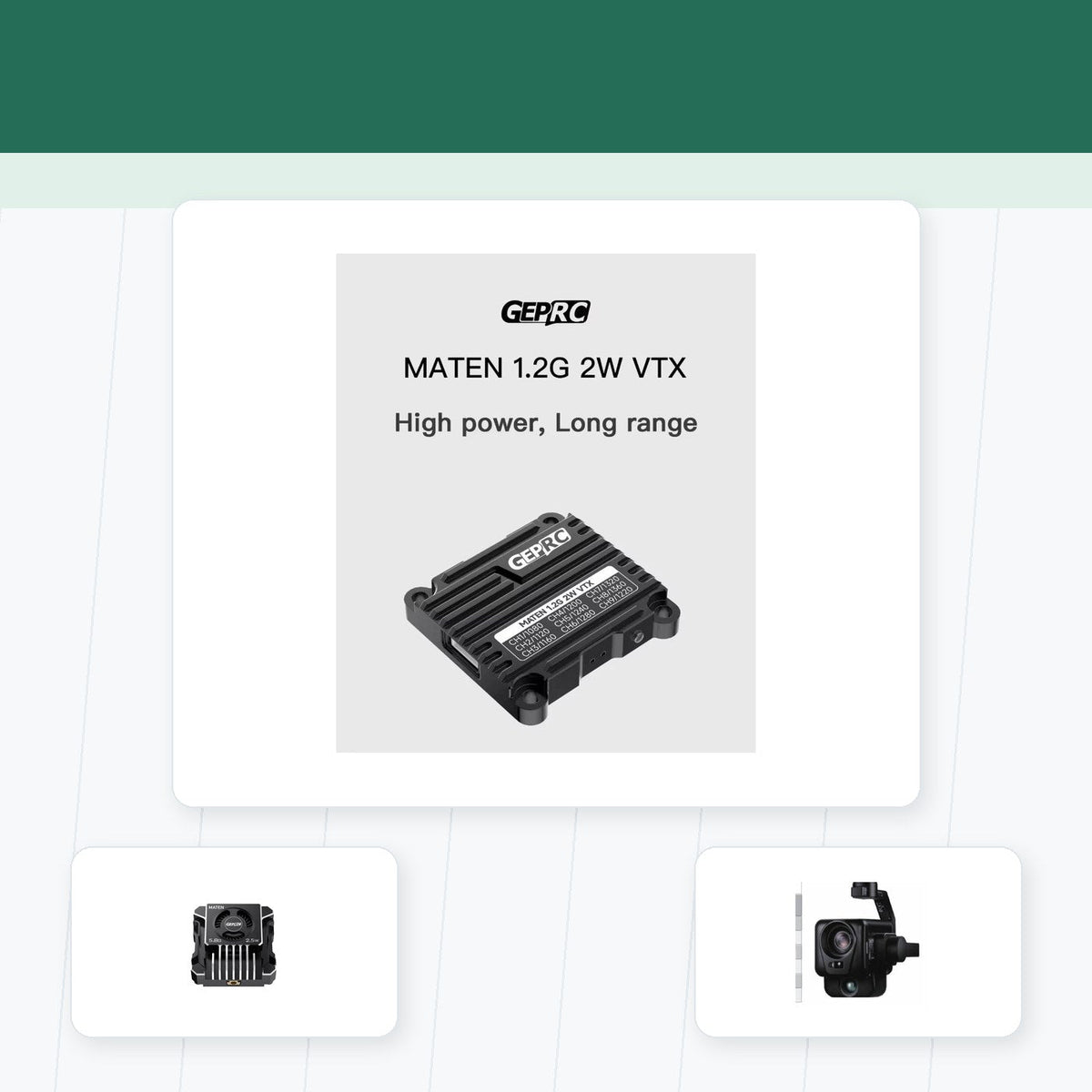
Repair planning is easier when spare categories are clear. Use FC and ESC stacks, F722 60A FPV stack, FPV propellers, and FPV video transmitters as practical reference points for common crash damage.
When to Stop Adjusting
For How to Safely Discharge and Safely Dispose of Damaged LiPo Batteries, begin with pack condition and operating demand rather than voltage labels alone. Check cell balance, temperature, voltage sag, connector condition, and the expected current draw before deciding whether a different battery or charging routine will solve the problem.
- Check the physical setup before blaming software or buying upgrades.
- Confirm the first flight after a change close to the pilot, not at maximum range.
- Keep safety routines boring and repeatable, especially around LiPo batteries.
- Use readable OSD data, notes, and post-flight checks to guide the next decision.
- Retire damaged parts early when heat, corrosion, puffing, or signal instability appears.
How to Decide What Comes Next
The most useful next step is to compare safely discharge dead swollen LiPo battery disposal with one known-good pack in the same aircraft. Record the starting voltage, flight time, load behavior, temperature, and storage result so a purchase decision is based on repeatable evidence instead of a single dramatic flight.
Treat safely discharge dead swollen LiPo battery disposal as part of the complete power system. Propeller choice, motor efficiency, ESC headroom, charging practice, and transport habits all change the result, so evaluate the battery alongside the rest of the aircraft rather than in isolation.
For a safely discharge dead swollen LiPo battery disposal setup, keep a simple log of pack age, cycle count, balance readings, and post-flight temperature. Those details make it easier to identify normal wear before it becomes a safety problem.
Practical Takeaway
The best choice for How to Safely Discharge and Safely Dispose of Damaged LiPo Batteries is the pack and routine that remain predictable through ordinary flights, charging, storage, and transport. A repeatable baseline is more valuable than a headline specification that the rest of the aircraft cannot use.
When evaluating safely discharge dead swollen LiPo battery disposal, compare the same pack before and after a normal flight, then check it again after it has rested. A stable result across those stages is more useful than a single peak voltage reading. If cells drift, the pack heats unusually, or the aircraft reaches low voltage early, stop treating the symptom as a tuning problem and investigate the power path first.
Share:
FPV Drone Motor Desync: Causes and Step-by-Step Solutions
3D Printed TPU Parts for FPV: Printing, Installing, and Repairing Mounts