
AESA and Enaire are working on a guide and related projects for stratospheric unmanned operations, a category that sits well above ordinary consumer and FPV flight.

Why stratospheric operations are different
At stratospheric altitude, an aircraft faces different pressure, temperature, communications, endurance, and traffic-management problems. The operating environment is closer to aerospace research than to a normal low-altitude drone mission.
Guidance is valuable because these projects often cross several regulatory and technical boundaries. Operators need a common language for risk, coordination, launch, recovery, and data links.
Lessons for ordinary UAV builders
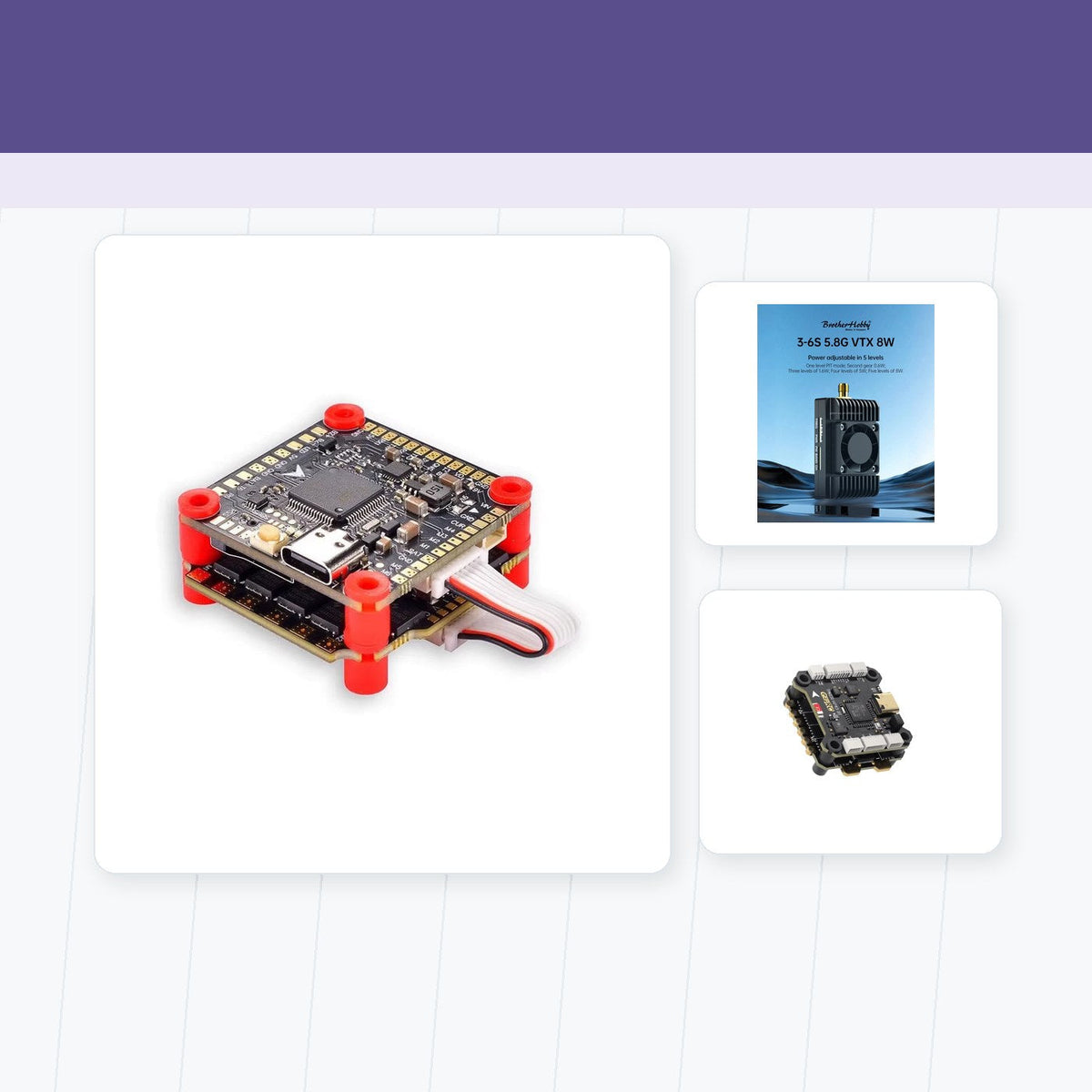
The scale is different, but the engineering principle is familiar. A reliable FC and ESC stacks, an appropriate power system, and a documented sensor layout make the aircraft easier to verify. Even a smaller platform benefits from treating configuration as part of the airworthiness story.
A long-endurance build also exposes the limits of brushless FPV motors and FPV propellers. Efficiency, heat, vibration, and battery behavior have to be considered together.
Read the guide as planning material
The new guide should not be read as a blanket approval for every stratospheric concept. It is a framework for understanding how future projects can be planned and integrated safely.
High altitude makes every assumption visible
Stratospheric UAS work is a reminder that a drone is part of an airspace system. The higher and longer it operates, the more important planning, evidence, and coordination become.
Source and editorial note
This is an original English news brief based on Infodron report on AESA and Enaire.
Share:
NATO Funds Low-Altitude Airspace Technology
AMP-HEL Report Puts Counter-Drone Lasers in Focus