Commercial UAV Expo coverage has put two practical concerns in the same frame for drone businesses: regulatory filings and the changing cost of imported equipment.

Why deadlines matter
A comment deadline is easy to overlook when a company is focused on products and sales. Yet a proposal about equipment eligibility, software disclosure, or supply-chain restrictions can affect future product planning and inventory decisions.
Tariffs create a different kind of pressure. They change landed cost, lead times, and the business case for local assembly or alternate suppliers.
The component-level effect
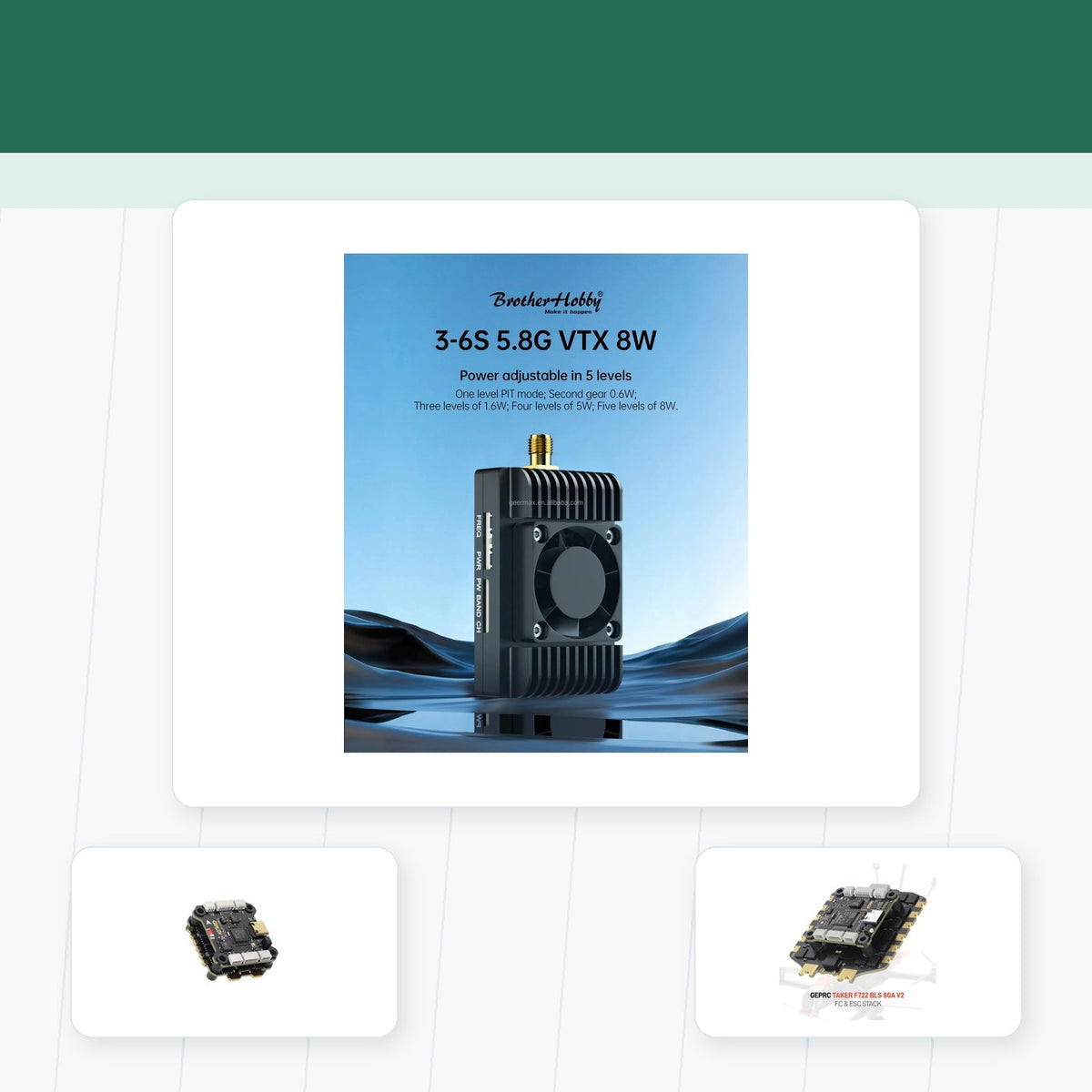
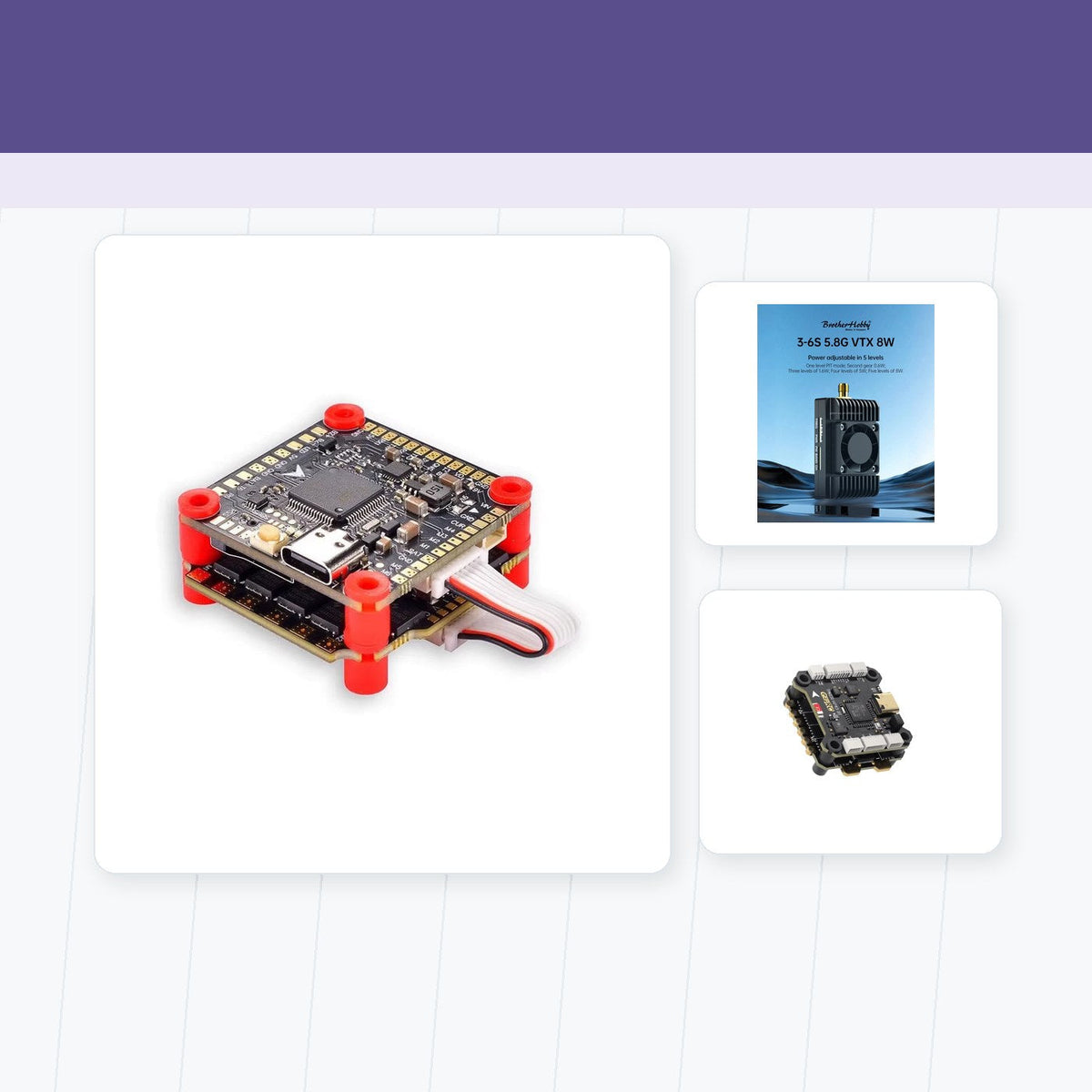
FPV builders may feel the impact through FC and ESC stacks stacks, brushless FPV motors, FPV propellers, and video equipment. Maintaining a second-source list and documenting compatible substitutions can make a shop less vulnerable to one supplier change.
The right response is not to buy blindly. It is to understand which components are mission-critical, which are interchangeable, and which need fresh testing after a supplier change.
Use official notices for final claims
Trade-show coverage is useful for finding the issue, but the final article should link the exact FCC docket and tariff notice. Deadlines, covered categories, and effective dates can change.
Supply-chain awareness is part of drone engineering
The most resilient FPV and commercial-drone teams track policy as closely as they track motors and batteries. Compliance and sourcing decisions can shape a product long before launch day.
Source and editorial note
This is an original English news brief based on DroneXL Commercial UAV Expo policy coverage.
Share:
Amazon FAA Filing Raises Questions About Drone Noise
UAV Coach Summarizes the U.S. Drone Policy Pressure