
The FAA's drone-integration work points to a future where BVLOS operations depend on airspace systems and evidence, not simply on a drone's advertised range.

The infrastructure behind BVLOS
Beyond-visual-line-of-sight operations require a way to understand traffic, communicate with the aircraft, manage lost-link events, and show that the operator can keep the flight inside its risk controls.
That makes data quality and operational procedure as important as the airframe. A long-range drone that cannot report a trustworthy state is not a dependable BVLOS platform.
Where components fit
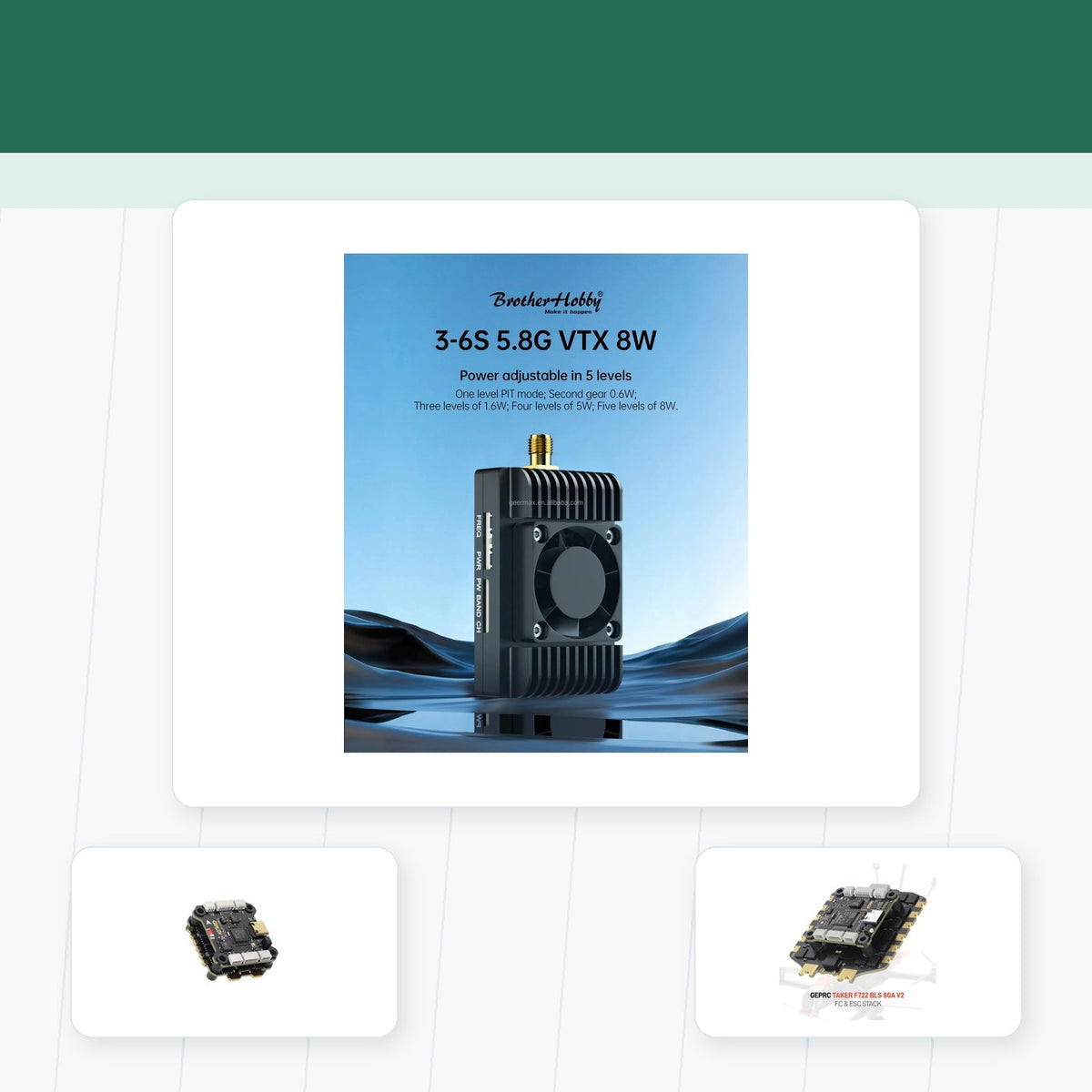
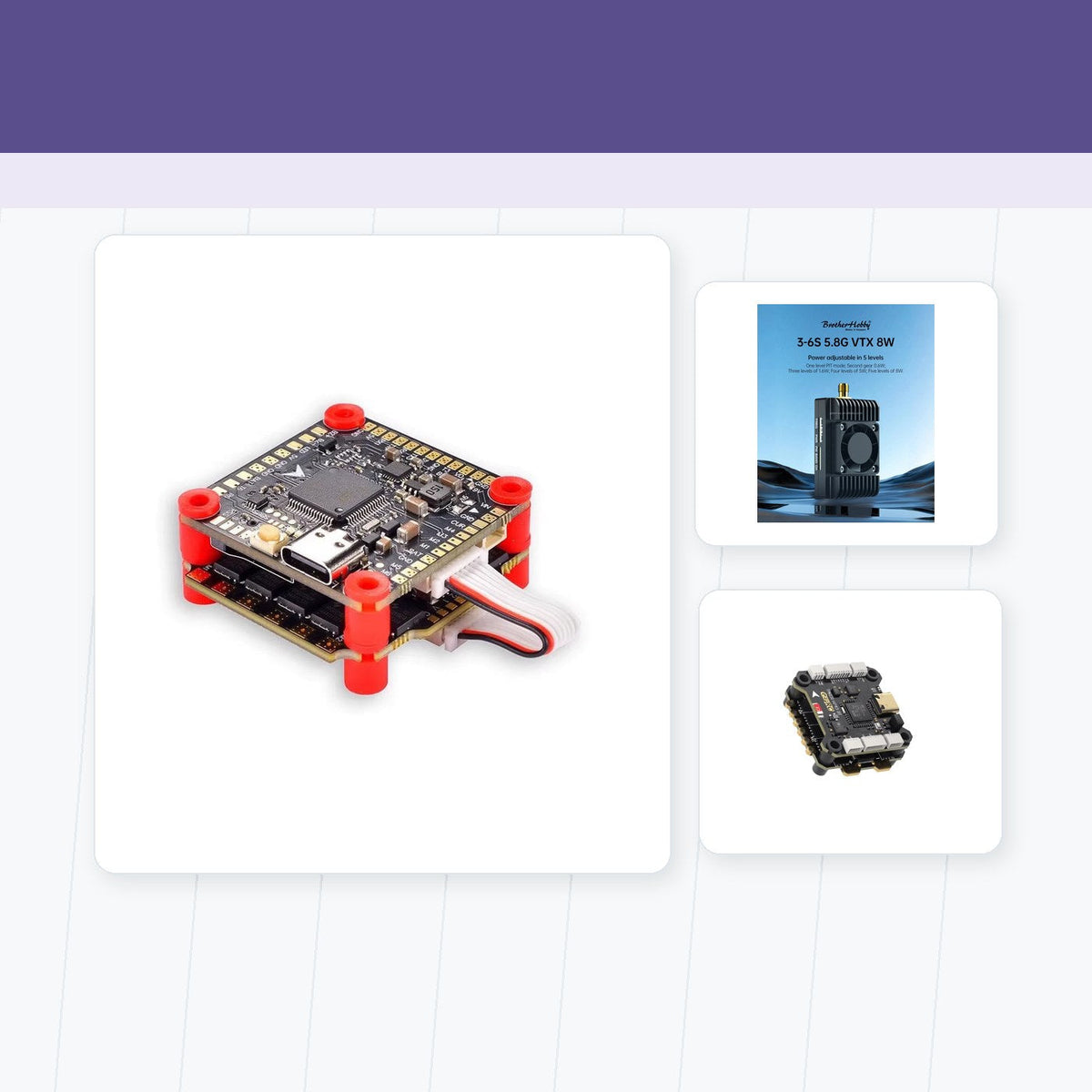
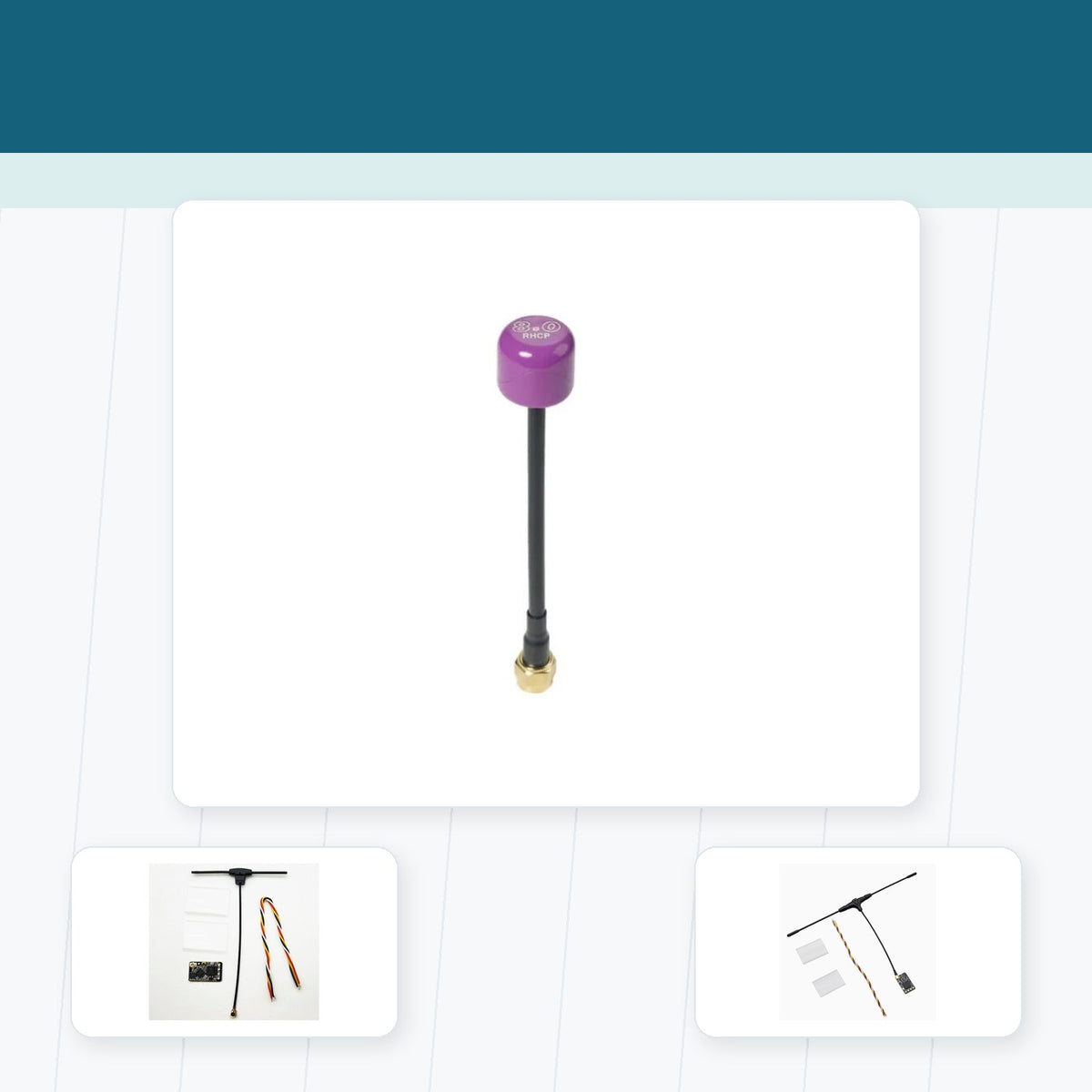
At the aircraft level, a reliable FC and ESC stacks and receiver support health reporting and control. The FPV video transmitters or data link supports awareness, while the frame, brushless FPV motors, and battery determine how consistently the aircraft can hold its planned performance.
Each change should be logged because a new camera, propeller, or power system can change weight, heat, and endurance.
The transition will be gradual
The useful policy signal is that advanced aviation integration is being treated as a system problem. Operators should expect staged approvals, test evidence, and ongoing responsibilities rather than one announcement that opens every use case.
Range is only the beginning
BVLOS becomes routine when operators can prove predictable behavior, reliable communication, and responsible airspace integration. The aircraft matters, but the operating system around it matters just as much.
Source and editorial note
This is an original English news brief based on DRONELIFE FAA integration coverage.
Share:
Robinson Demonstrates a Heavy-Lift Unmanned Helicopter
FCC Drone Proposal Draws Strong Industry Opposition