BCN Drone Center has received an authorization to transport blood and medicines in populated areas, putting medical logistics at the center of Spain's recent drone activity.

Why medical cargo is a serious test
Blood and medicines have time, temperature, handling, and chain-of-custody requirements. The aircraft must be reliable, but the dispatch, packaging, landing, and handoff process must be reliable too.
A populated-area authorization also brings questions about route planning, separation from people, contingency landing, and how the operator reacts when the weather changes.
The aircraft is one part of the service
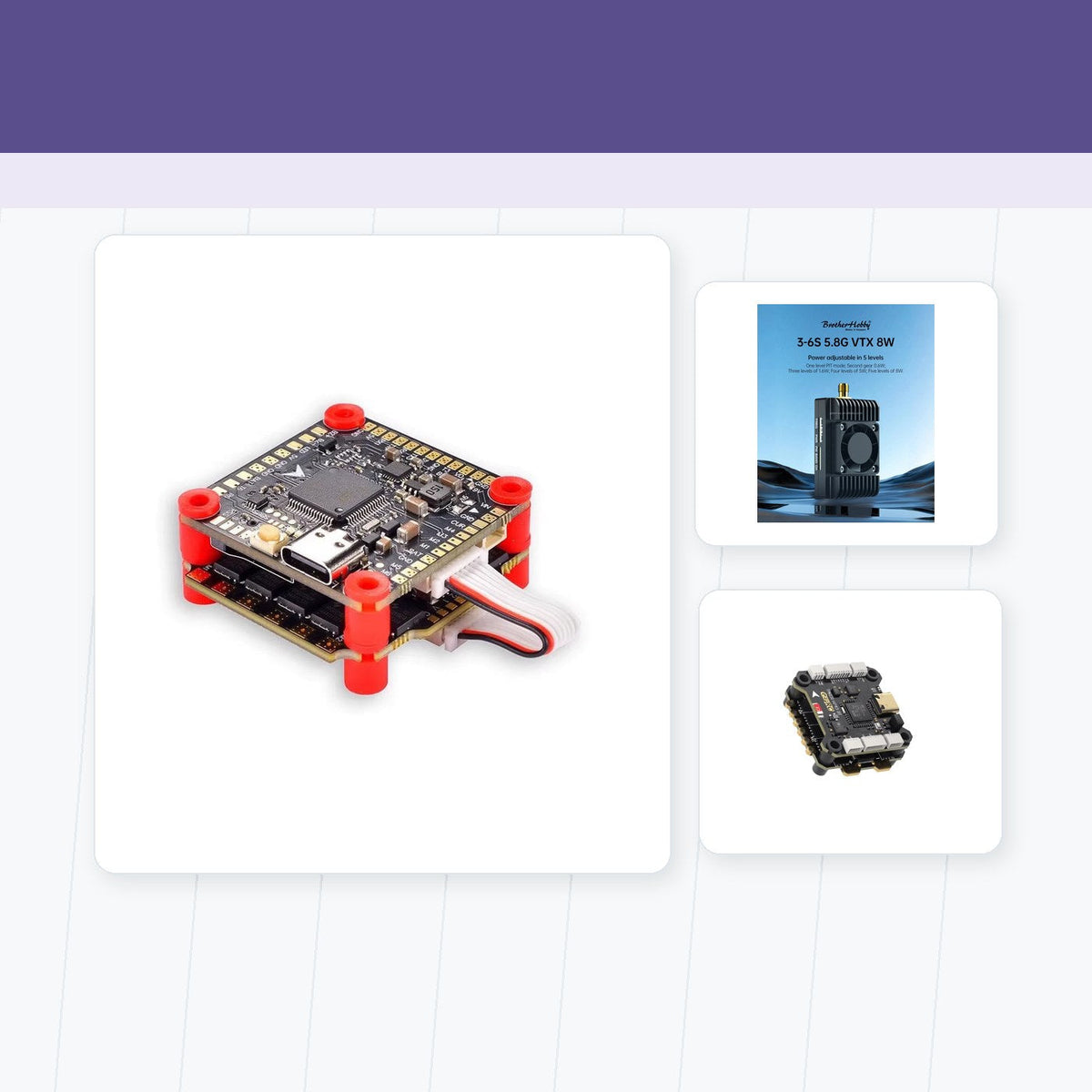
A delivery platform needs a stable carbon-fiber FPV frames structure, matched brushless FPV motors, and an FC and ESC stacks system that can report useful health information. A video transmitter may support supervision, but it cannot replace route logic and operational procedures.
Payload balance, vibration, and battery reserve matter because the aircraft is carrying something valuable rather than simply completing an empty test flight.
What wider operators can learn
The authorization shows that drone delivery progresses through evidence and operating conditions. The next milestones will be route data, repeatability, and proof that the service can fit into clinical workflows without adding hidden complexity.
The delivery chain is the product
Medical drone delivery succeeds when aircraft, packaging, permissions, operators, and the receiving clinic work as one system. That is the standard other delivery concepts will eventually face.
Source and editorial note
This is an original English news brief based on Infodron report on BCN Drone Center.

Share:
AMP-HEL Report Puts Counter-Drone Lasers in Focus
New U.S. Counter-Drone Powers Could Reach 1,500 Agencies