
The U.S. BVLOS discussion is moving beyond aircraft certification and into the security systems that would support routine operations over longer distances.

This is a rulemaking input step
TSA's request for industry input should be treated as part of the policy process, not as a final operating rule. The questions around security, identification, and response will influence how future BVLOS services are designed, documented, and supervised.
That distinction is important for operators. A company may be technically capable of flying beyond visual line of sight and still need additional procedures, equipment, approvals, or coordination before it can conduct a particular mission.
What the security layer may include
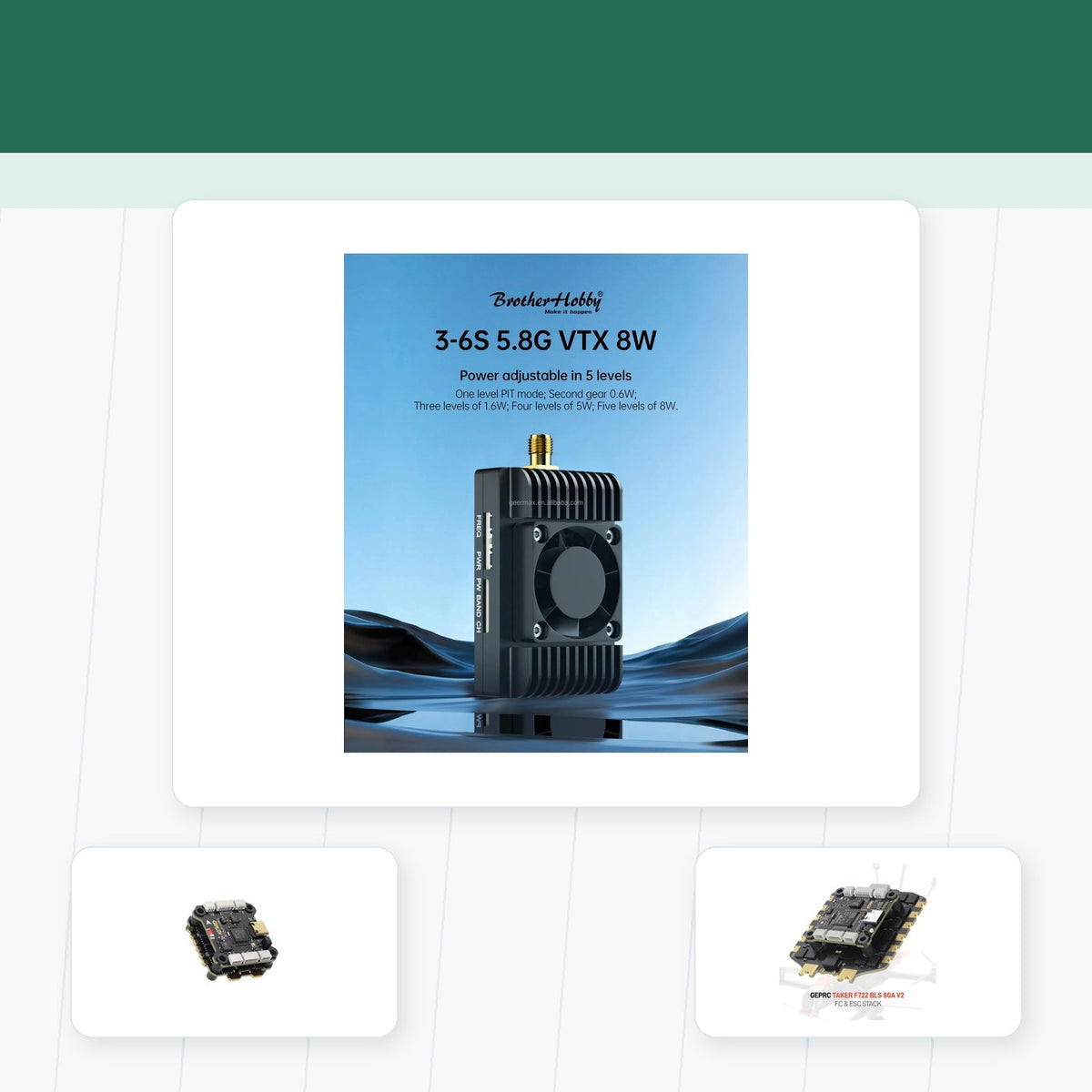
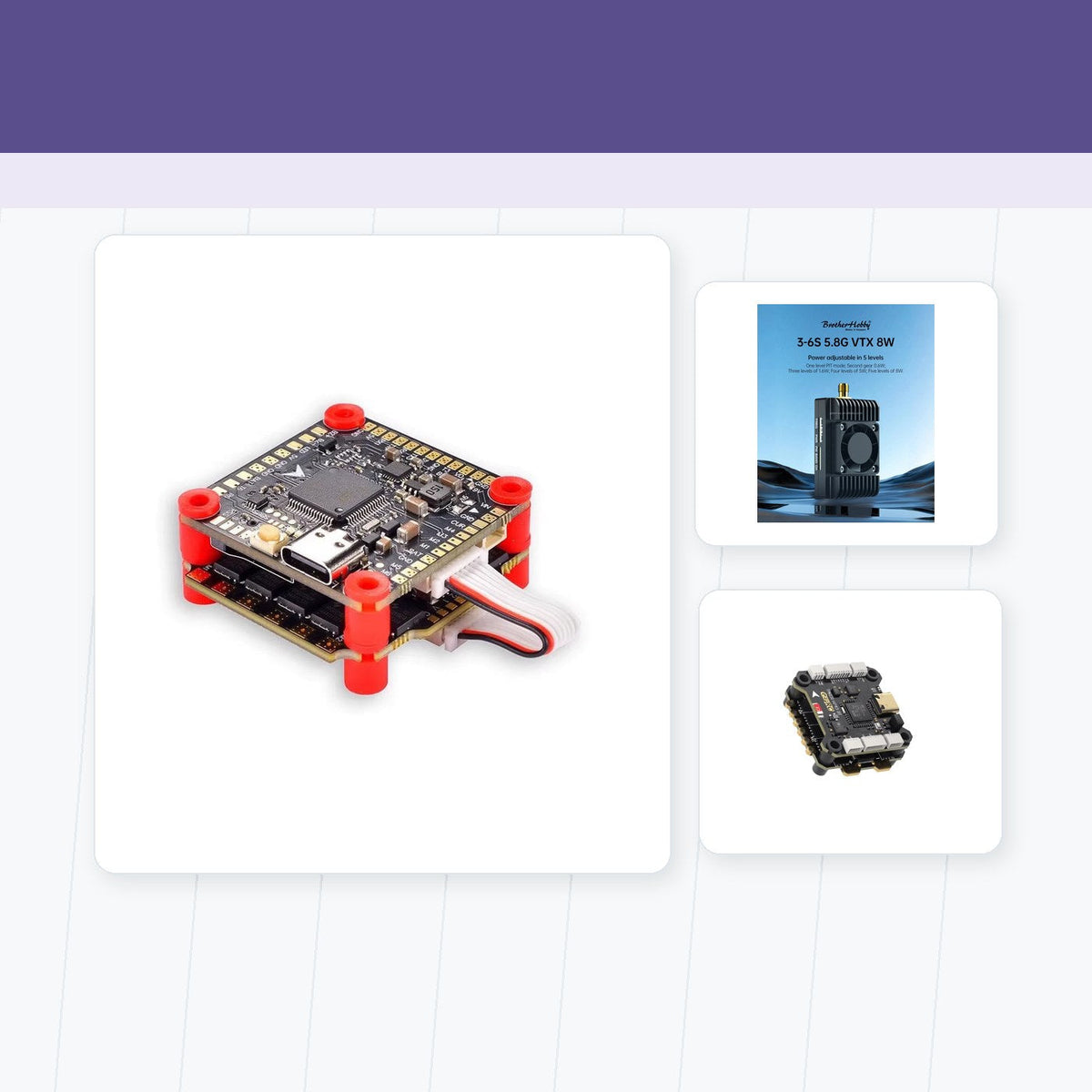
A practical BVLOS system can involve aircraft health monitoring, authenticated control links, a reliable FC and ESC stacks, a video or data downlink, geofencing logic, and a documented response for lost link or unexpected traffic. Security is therefore connected to ordinary component choices, not just to a policy document.
The hardware must also be maintainable. A FPV video transmitters that runs hot, an overloaded power rail, or a poorly documented firmware change can become an operational risk even when the airframe itself is sound.
Why pilots should follow the details
The most useful future guidance will define what evidence operators need to provide and how responsibility is divided between the aircraft maker, software provider, remote pilot, and operating organization. Clear requirements can reduce uncertainty, but vague or overlapping requirements can slow deployment.
A policy story with hardware consequences
BVLOS expansion will be judged by more than aircraft range. Operators will need repeatable security, maintenance, and contingency processes that regulators can understand and the field team can execute. This TSA discussion is an early signal of that wider standard.
Source and editorial note
This is an original English news brief based on DRONELIFE coverage of the TSA request.
Share:
DJI Shows SDR Transmission 2 at IBC 2026
Amprius Says SiCore500 Reaches 500 Wh/kg for Unmanned Aviation