An Associated Press report from Germany describes US and Ukrainian personnel sharing practical drone-warfare lessons during a training exercise, showing how FPV experience is moving into formal military instruction.

The focus is experience transfer
The exercise is not presented as a single new aircraft launch. Its significance is the transfer of tactics and field knowledge developed by Ukrainian forces, alongside experiments with equipment and procedures that US units may incorporate. The report says the Germany-based exercise involved roughly 1,900 drones and was designed to expose soldiers to recent operational lessons.
Why repeatable builds matter
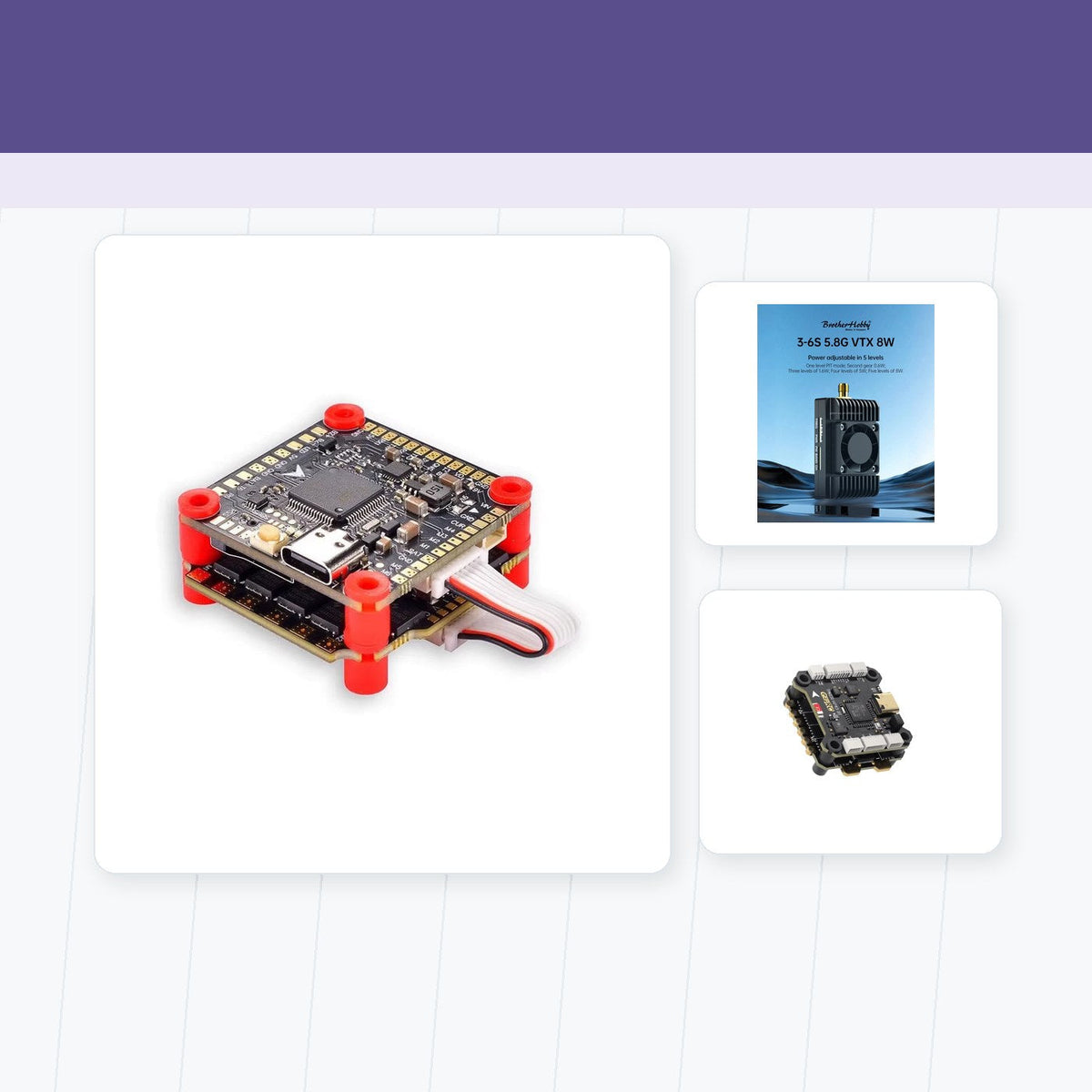
Training benefits from aircraft that behave consistently. A documented FC and ESC stacks stack, matched brushless FPV motors, and suitable FPV propellers make it easier to compare pilot decisions rather than spending every sortie troubleshooting a different build. The carbon-fiber FPV frames platform also affects durability, repair time, and the payload a small aircraft can carry.
For civilian FPV teams, the lesson is transferable without copying military use: standardize the parts list, label batteries and firmware, record failures, and teach the recovery procedure as carefully as the flight maneuver.
The important asset is the learning system
The AP report is a reminder that drone capability is not delivered by hardware alone. Shared tactics, disciplined training, and repeatable maintenance are what turn a small FPV aircraft into a dependable operational tool.
Source and editorial note
This is an original English news brief based on Associated Press report. It summarizes the reported development and adds practical context;.

Share:
Powerus Signs a Private-Sector Counter-UAS Deal
AirData Adds Rewind to Live Drone Streaming