
How to Waterproof Your FPV Drone with Conformal Coating

This guide focuses on the practical decisions behind How to Waterproof Your FPV Drone for Rain, Snow & Water Surfing (Conformal Coating). Use it to understand what changes on the aircraft, what to check before flight, and how to avoid buying or tuning around the wrong problem.
Why This Topic Matters
How to Waterproof Your FPV Drone for Rain, Snow & Water Surfing (Conformal Coating) sits inside the larger topic of commercial FPV work, compliance, business operations, and professional readiness. The important question is not whether one number, product, or workflow sounds advanced. The important question is whether it gives the pilot more predictable control, cleaner footage, safer power handling, or a better chance of finishing the session without avoidable repairs.
Fly in snow, light rain, or over ocean waves without destroying your expensive flight electronics.
Silicone conformal coating, isopropyl alcohol, masking tape, and a fine brush.
Clean flight controller, ESC, VTX, and receiver PCB surfaces thoroughly to remove flux residues.
Apply 2-3 thin layers. CRITICAL: Never coat barometer ports, USB sockets, micro-switches, or camera connectors!
For conformal coating FPV, waterproof FPV drone, verify the result against your aircraft, flight conditions, and maintenance records. A good FPV setup works because the parts and habits agree with each other. Battery choices affect motor load, tuning depends on mechanical health, video quality depends on mounting and transmission, and commercial work depends on preparation as much as flying skill.
How to Apply It
Start with the use case. A backyard practice quad, a long-range cruiser, a race build, a cinematic rig, and a commercial fly-through all need different compromises. Write down the aircraft size, video system, expected flight time, field conditions, and repair tolerance before changing parts or settings.
| Professional area | Check | Why |
|---|---|---|
| Compliance | Current local rules and permissions | Rules change and jobs may cross jurisdictions |
| Reliability | Preflight, spares, and repair plan | A paid flight needs backup thinking |
| Delivery | Shot list, file workflow, client expectations | Good flying alone is not a business |
| Risk | Insurance, site safety, weather limits | Protects people, property, and the pilot |
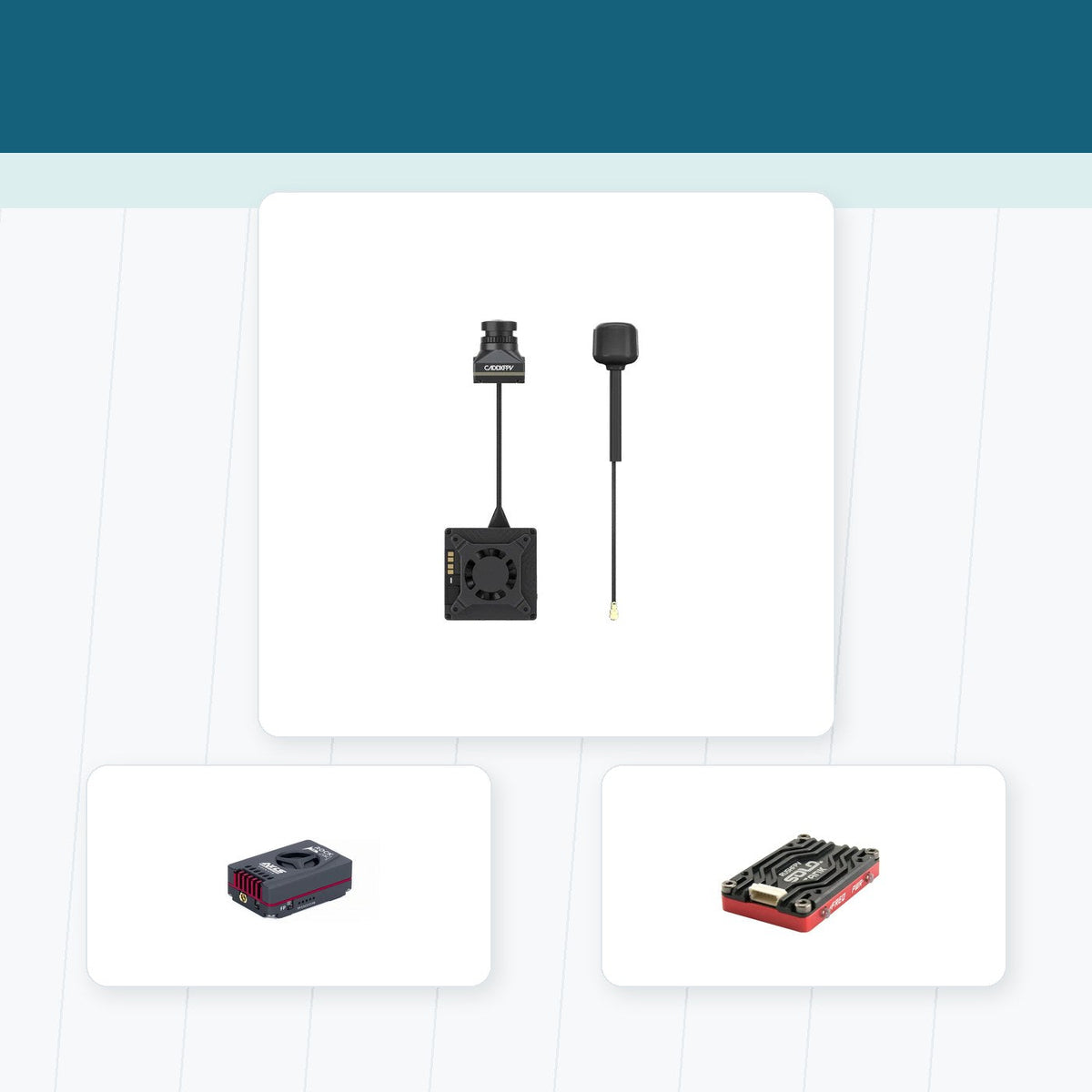
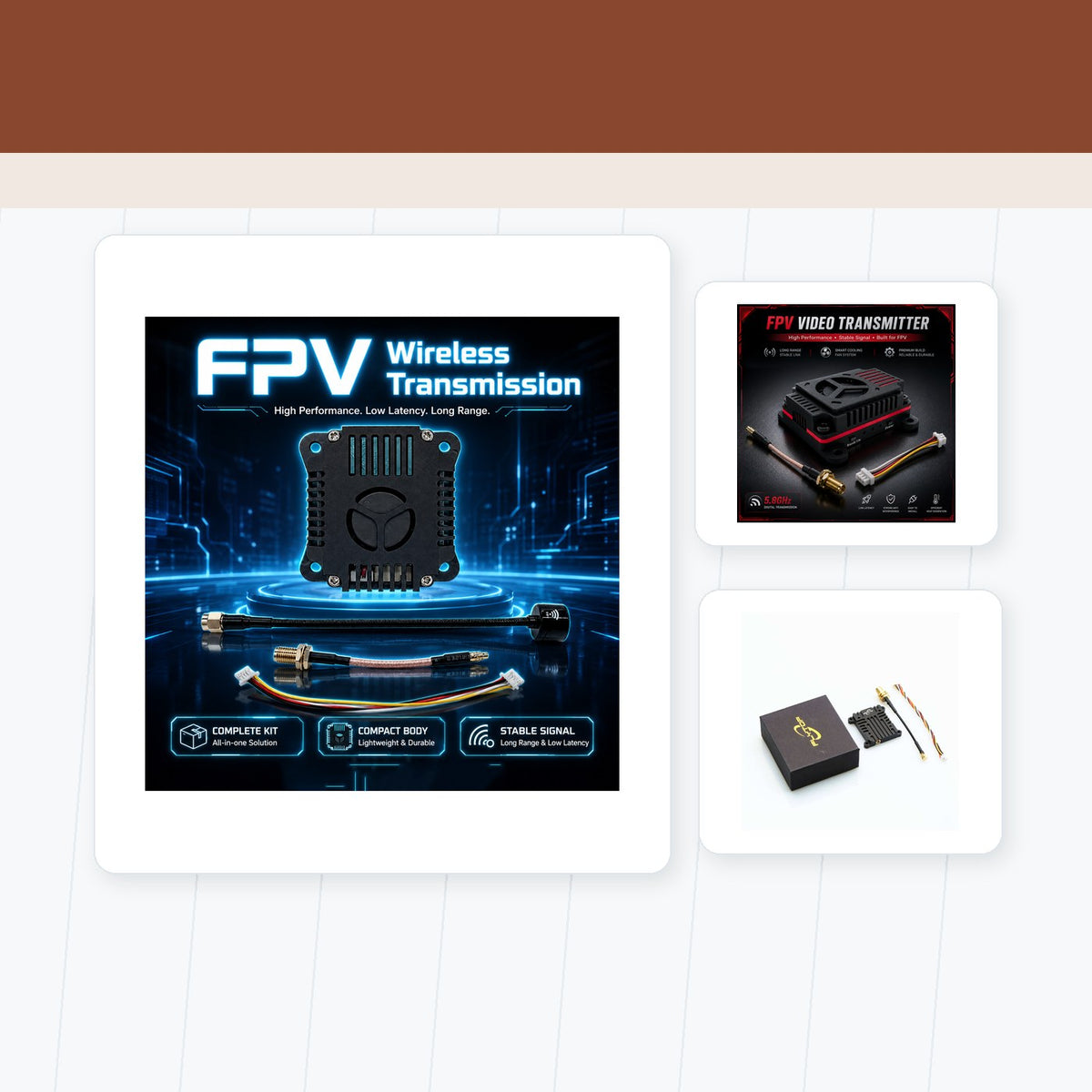
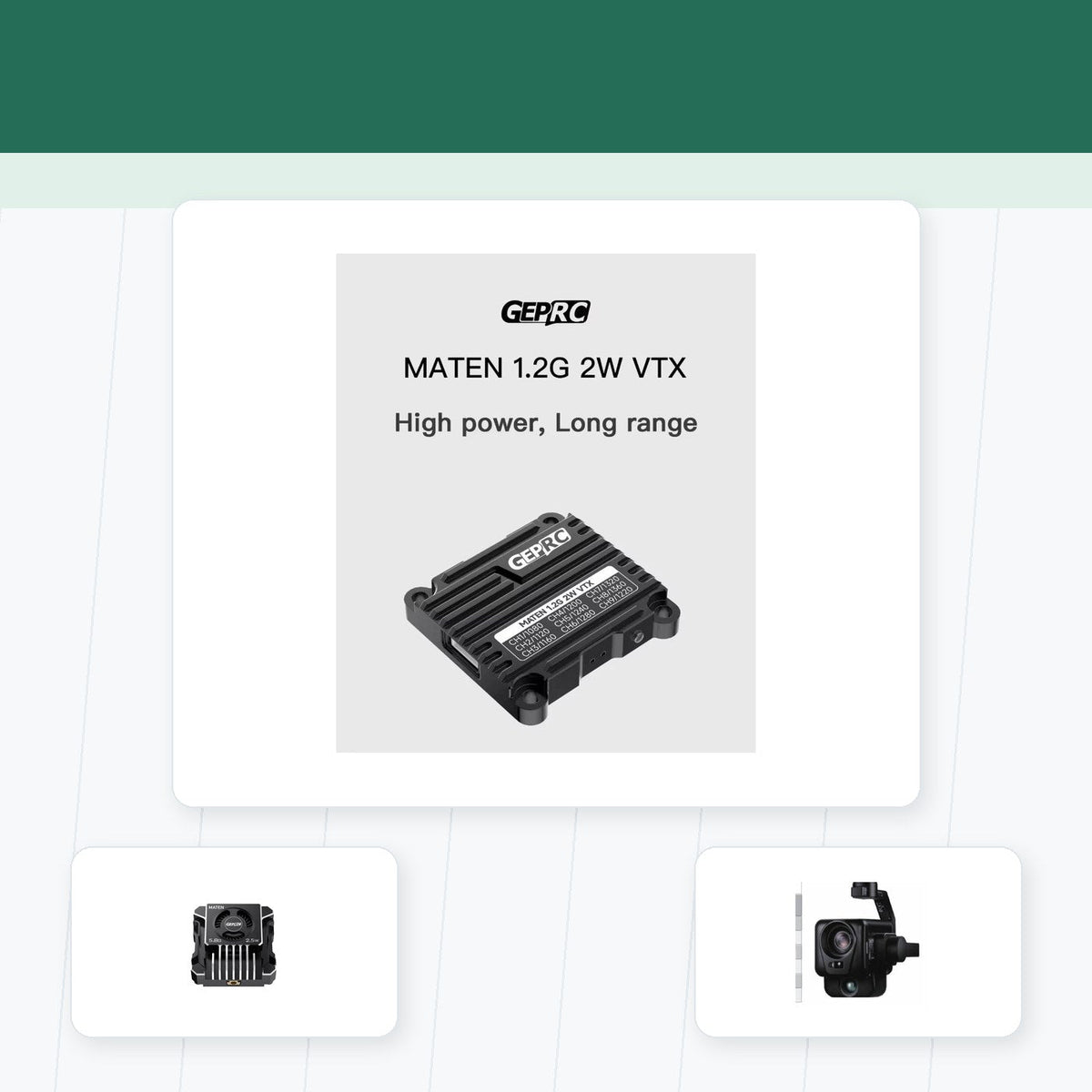
For commercial or advanced FPV planning, the aircraft still needs a reliable core: RTF and BNF FPV drones, RadioMaster FPV radios, FPV cameras, and FPV video transmitters should be checked before the job, not after a problem appears.
Mistakes That Usually Cost Money
For How to Waterproof Your FPV Drone for Rain, Snow & Water Surfing (Conformal Coating), begin with a safe inspection sequence before applying power or replacing parts. Look for damaged pads, loose fasteners, heat marks, contamination, cracked solder, pinched wires, and changes that happened immediately before the fault appeared.
- Check the physical setup before blaming software or buying upgrades.
- Confirm the first flight after a change close to the pilot, not at maximum range.
- Keep safety routines boring and repeatable, especially around LiPo batteries.
- Use readable OSD data, notes, and post-flight checks to guide the next decision.
- Retire damaged parts early when heat, corrosion, puffing, or signal instability appears.
How to Decide What Comes Next
Approach conformal coating FPV, waterproof FPV drone as a diagnosis rather than a parts-shopping exercise. Take photographs, label disconnected wires, check continuity where appropriate, and make one repair at a time so the result can be verified without creating a second fault.
A reliable conformal coating FPV, waterproof FPV drone routine combines the right tool with a clear stopping point. If a board, battery, motor, or connector shows heat damage or unstable behavior, document it and replace it instead of extending a risky repair.
Keep a small record for conformal coating FPV, waterproof FPV drone: the symptom, the measurement, the part revision, the repair made, and the first controlled test after reassembly. This turns a stressful bench session into a repeatable maintenance procedure.
Practical Takeaway
The practical standard for How to Waterproof Your FPV Drone for Rain, Snow & Water Surfing (Conformal Coating) is a repair that is electrically sound, mechanically secure, easy to inspect, and proven in a short controlled test before normal flying resumes.
For conformal coating FPV, waterproof FPV drone, verification should happen in stages. Inspect the repaired area without power, perform the appropriate continuity or resistance check, power the aircraft with a current-limited setup when possible, and make the first flight short and close. That sequence turns How to Waterproof Your FPV Drone for Rain, Snow & Water Surfing (Conformal Coating) into a documented repair rather than a hopeful restart.
Share:
How Much Do FPV Drone Pilots Make?
Starlink Limits Slow Ukrainian Drones