
Tracking drift cars, mountain bikers, or boats with an FPV drone produces breathtaking high-action footage.

This guide focuses on the practical decisions behind How to Fly Manual Follow Shots for Vehicles and Action Sports. Use it to understand what changes on the aircraft, what to check before flight, and how to avoid buying or tuning around the wrong problem.
Why This Topic Matters
How to Fly Manual Follow Shots for Vehicles and Action Sports sits inside the larger topic of cinematic FPV camera settings, stabilization, shooting, and post-production. The important question is not whether one number, product, or workflow sounds advanced. The important question is whether it gives the pilot more predictable control, cleaner footage, safer power handling, or a better chance of finishing the session without avoidable repairs.
Maintain a constant distance ($3\text{m} - 8\text{m}$) from the subject. Match your speed to the vehicle's pace—never tail-gate directly from behind where dust or exhaust turbulence disturbs flight stability.
Side-Profile Tracking: Match speed along the driver's side door to capture driver focus.
Lead Tracking: Fly backwards ahead of the vehicle to capture front grille and tire smoke.
Establish radio contact with the driver before shooting. Set clear abort routes if the vehicle suddenly brakes!
For FPV vehicle chase tracking follow shot action sports, verify the result against your aircraft, flight conditions, and maintenance records. A good FPV setup works because the parts and habits agree with each other. Battery choices affect motor load, tuning depends on mechanical health, video quality depends on mounting and transmission, and commercial work depends on preparation as much as flying skill.
How to Apply It
Start with the use case. A backyard practice quad, a long-range cruiser, a race build, a cinematic rig, and a commercial fly-through all need different compromises. Write down the aircraft size, video system, expected flight time, field conditions, and repair tolerance before changing parts or settings.
| Creative goal | Technical priority | Why |
|---|---|---|
| Smooth motion | Shutter, ND filter, clean tune | Motion blur should be intentional |
| Stable footage | Gyro data and vibration control | Software cannot fix every vibration |
| Client delivery | Repeatable exposure and export | Consistency matters more than one lucky clip |
| Safety | Clear plan and spotter when needed | Cinematic work still starts with control |
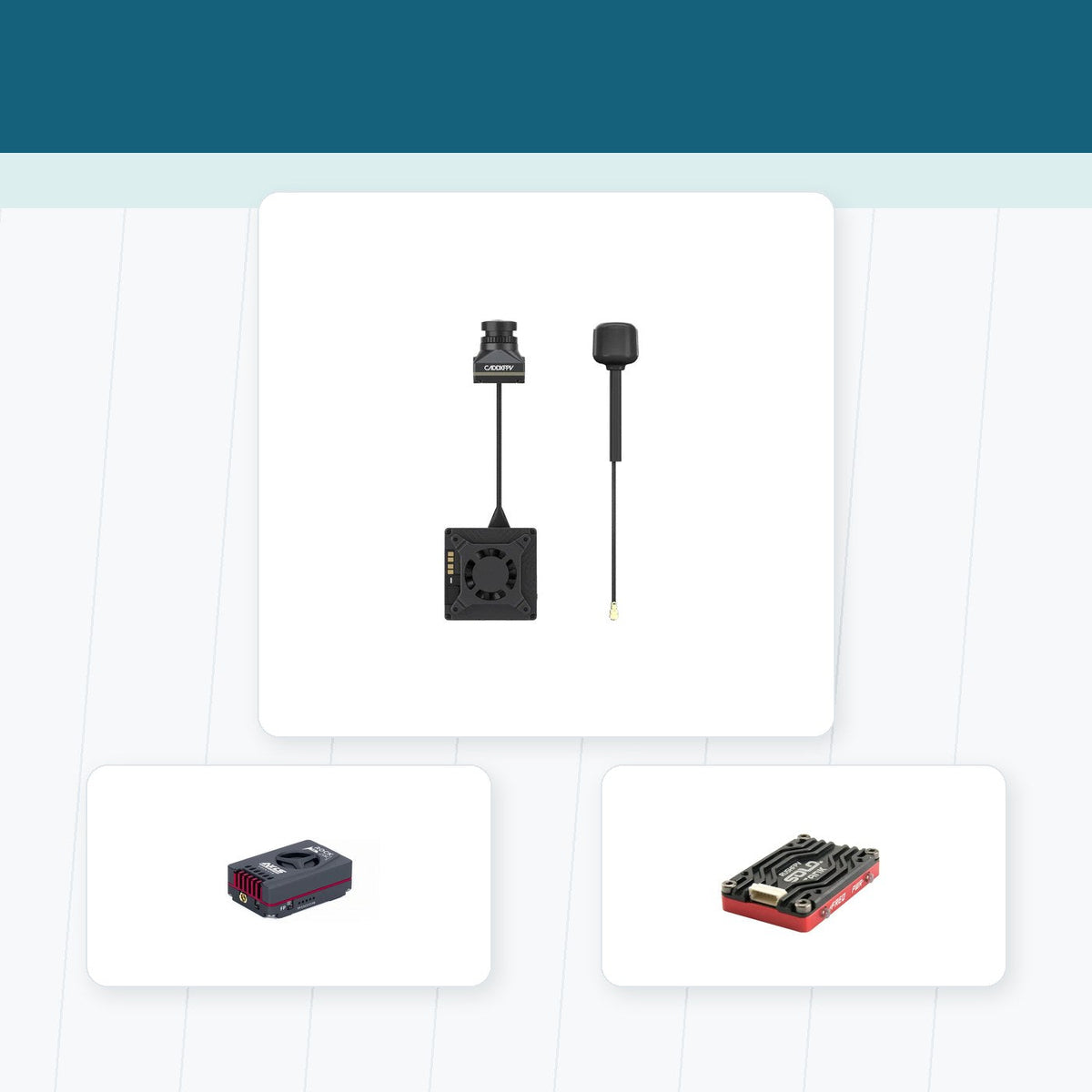
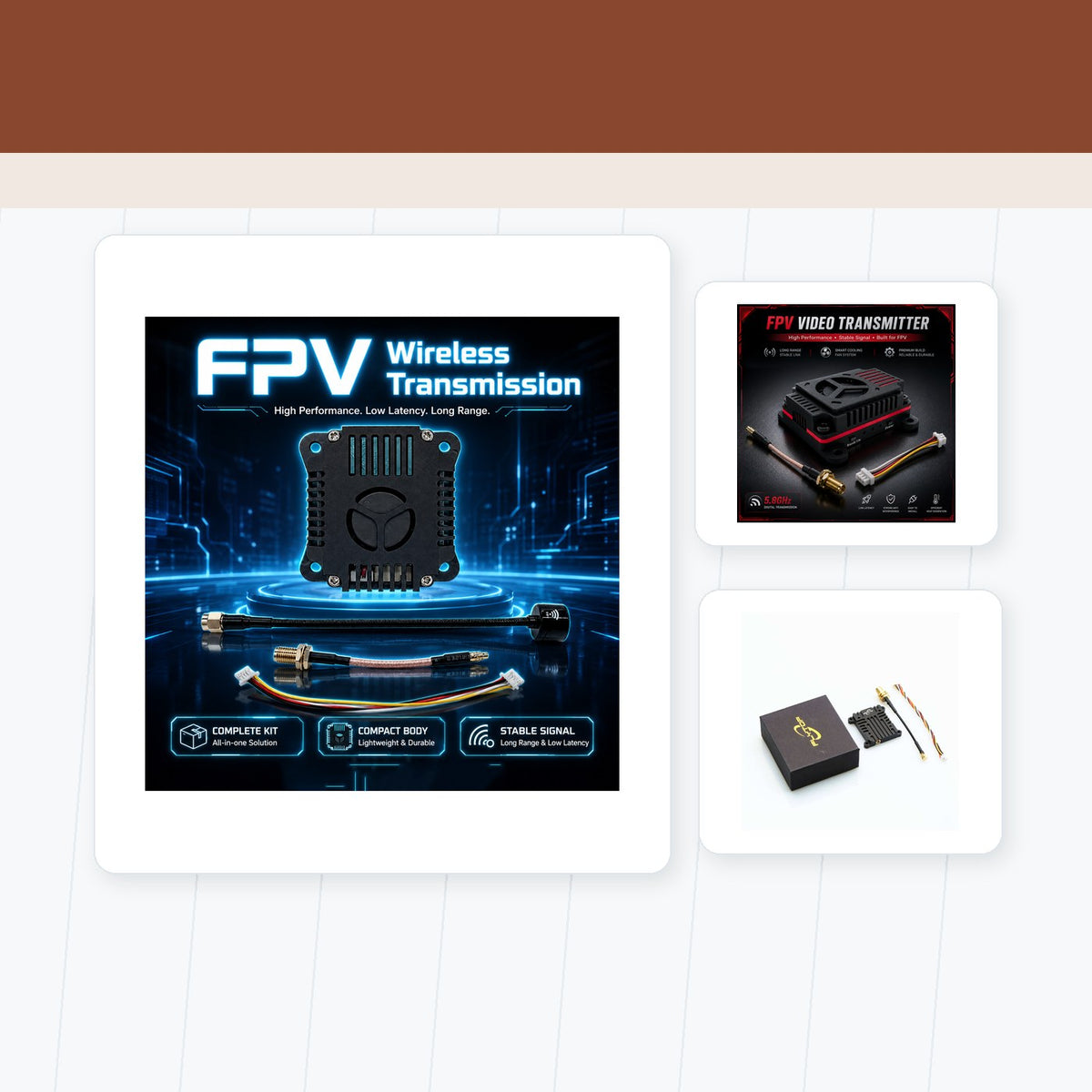
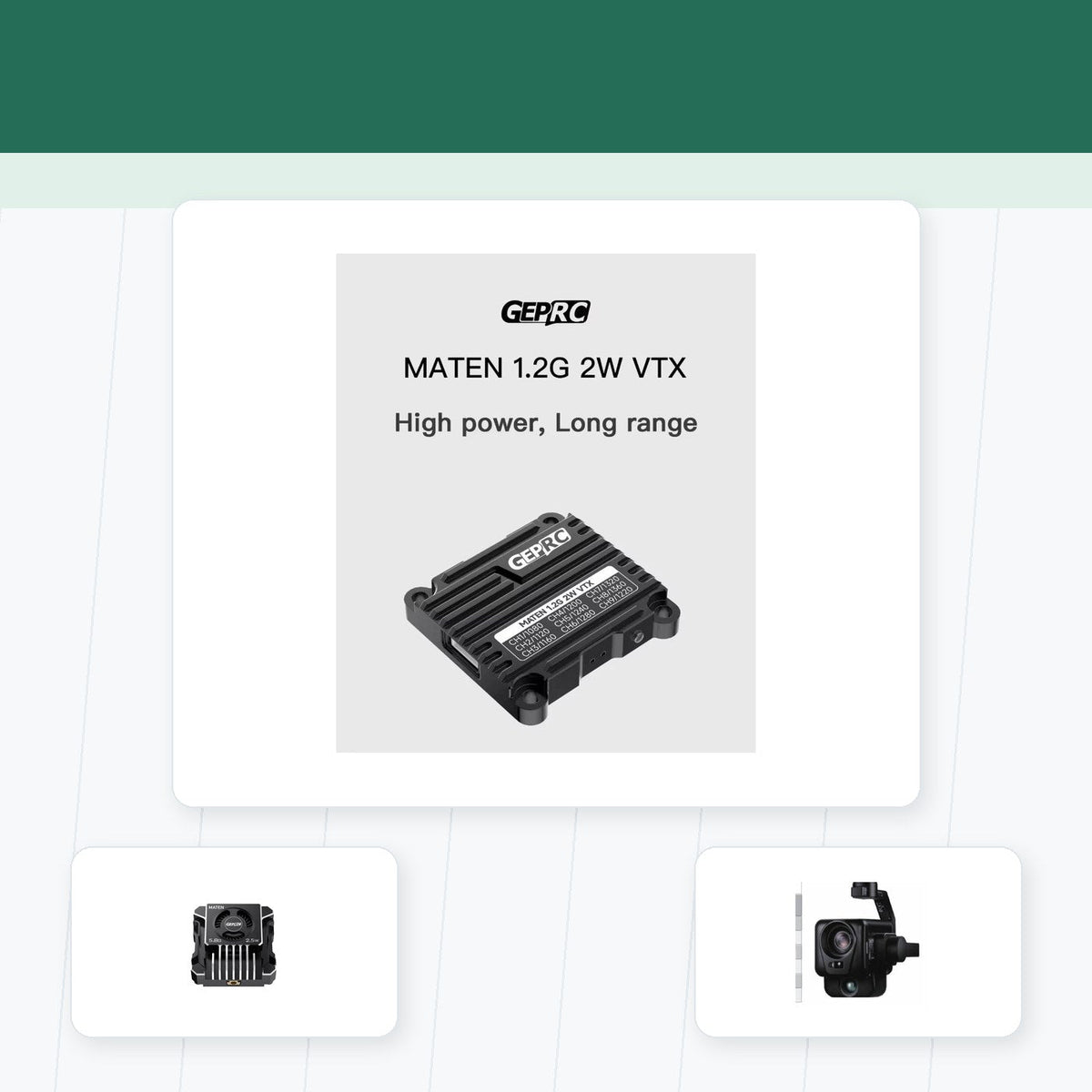
Cinematic footage still depends on the aircraft-side video chain. Pair clean camera mounting with FPV cameras, reliable transmission from FPV video transmitters, and stable aircraft choices from RTF and BNF FPV drones.
Mistakes That Usually Cost Money
For How to Fly Manual Follow Shots for Vehicles and Action Sports, the cleanest result comes from controlling the whole image chain. Check mounting, vibration, exposure, lens condition, recording format, transmission, and the intended delivery format before blaming a single camera setting or software tool.
- Check the physical setup before blaming software or buying upgrades.
- Confirm the first flight after a change close to the pilot, not at maximum range.
- Keep safety routines boring and repeatable, especially around LiPo batteries.
- Use readable OSD data, notes, and post-flight checks to guide the next decision.
- Retire damaged parts early when heat, corrosion, puffing, or signal instability appears.
How to Decide What Comes Next
Use FPV vehicle chase tracking follow shot action sports as a repeatable field process: lock the settings that should not drift, capture a short test clip, inspect the result at full resolution, and change one variable before filming the real shot. This keeps creative decisions separate from hardware faults.
The important comparison for FPV vehicle chase tracking follow shot action sports is the finished clip, not only the specification sheet. Motion blur, dynamic range, stabilization data, RF reliability, storage limits, and export quality all affect whether the footage is useful to a viewer or client.
For FPV vehicle chase tracking follow shot action sports, record the lighting, frame rate, shutter, ISO, filter, lens, flight speed, and stabilization path. A short shot log makes successful settings repeatable when the location or weather changes.
Practical Takeaway
The right workflow for How to Fly Manual Follow Shots for Vehicles and Action Sports is the one that produces footage you can monitor, stabilize, edit, and deliver consistently. A controlled test before the main flight protects both the aircraft and the shot.
Share:
How to Master Smooth Yaw and Pitch Flight Movements
Vertical FPV Content Creation: Optimizing Footage for TikTok and Instagram Reels