
Choosing between analog and digital FPV is one of the first real buying decisions a pilot makes. The right answer is not simply "HD is better." It depends on budget, latency tolerance, drone size, repair cost, and the type of flying you actually plan to do.

Analog FPV sends a standard-definition video signal from the drone's camera and VTX to your goggles. It looks noisy by modern camera standards, but it is simple, light, cheap, and predictable. Digital FPV systems encode the image and send an HD video feed, giving you far more detail, cleaner color, and a more immersive view.
The mistake many beginners make is choosing based only on the goggle image. A video system is an ecosystem: camera, transmitter, antennas, mounting room, heat, replacement cost, goggles, DVR, and repair availability. A tiny whoop, a race quad, and a cinematic mountain cruiser may all need different answers.
Core Comparison
| Factor | Analog FPV | Digital FPV |
|---|---|---|
| Image quality | SD image with static and lower detail | HD image with sharper objects and better color |
| Latency feel | Very low and consistent | Low, but depends on system, mode, signal, and goggles |
| Signal breakup | Gradual snow/static as signal weakens | Can become blocky, smeared, or freeze near the edge |
| Drone weight | Excellent for tiny whoops and ultralight builds | Better on 2.5-inch, 3.5-inch, 5-inch, and larger builds |
| Repair cost | Usually cheaper cameras and VTX modules | Higher cost air units and cameras |
| Best use | Budget builds, racing, tiny whoops, training fleets | Cinematic freestyle, HD cruising, content, long-range viewing |
Image Quality Is Not the Whole Decision
Digital FPV makes branches, gates, landing zones, and horizon detail easier to see. That helps confidence, especially for cinematic cruising and exploration. But analog has a teaching value too: you learn to read static, keep antenna orientation in mind, and avoid overreaching behind obstacles.
If you already own analog goggles, an analog build is still a very logical first step. You can start with a simple camera and one of the FPV video transmitters, then decide later whether HD is worth the upgrade. If you want clean onboard footage and a more modern flying experience from day one, digital goggles can make the hobby feel more approachable.
Latency and Breakup Feel
Analog latency is popular because it is consistent and easy to trust. When the signal gets weak, you usually see more static before the image becomes unusable. That progressive warning gives racers and freestyle pilots time to turn back.
Digital systems behave differently. The image can stay beautiful until the link becomes strained, then artifacts or frame drops appear. Modern systems have improved dramatically, but pilots should still test their own environment instead of assuming a spec sheet covers every flying spot.
Beginner Buying Paths
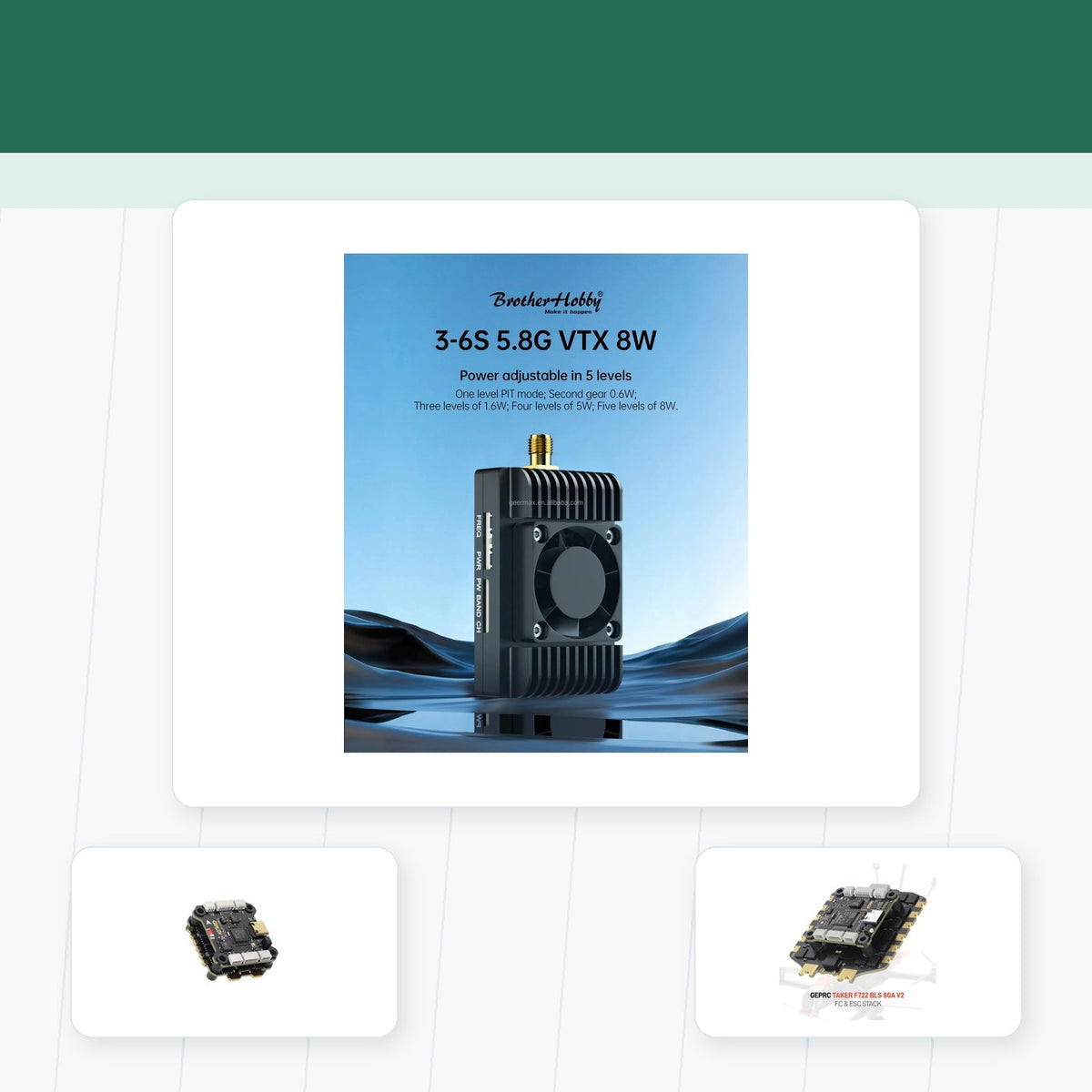
For a budget setup, pair an analog camera with a reliable VTX such as the 2.5W high-power FPV video transmitter and keep your build easy to repair. For low-light or mixed environments, a camera like the 1200TVL starlight FPV camera gives analog pilots more usable detail without forcing a full digital ecosystem change.
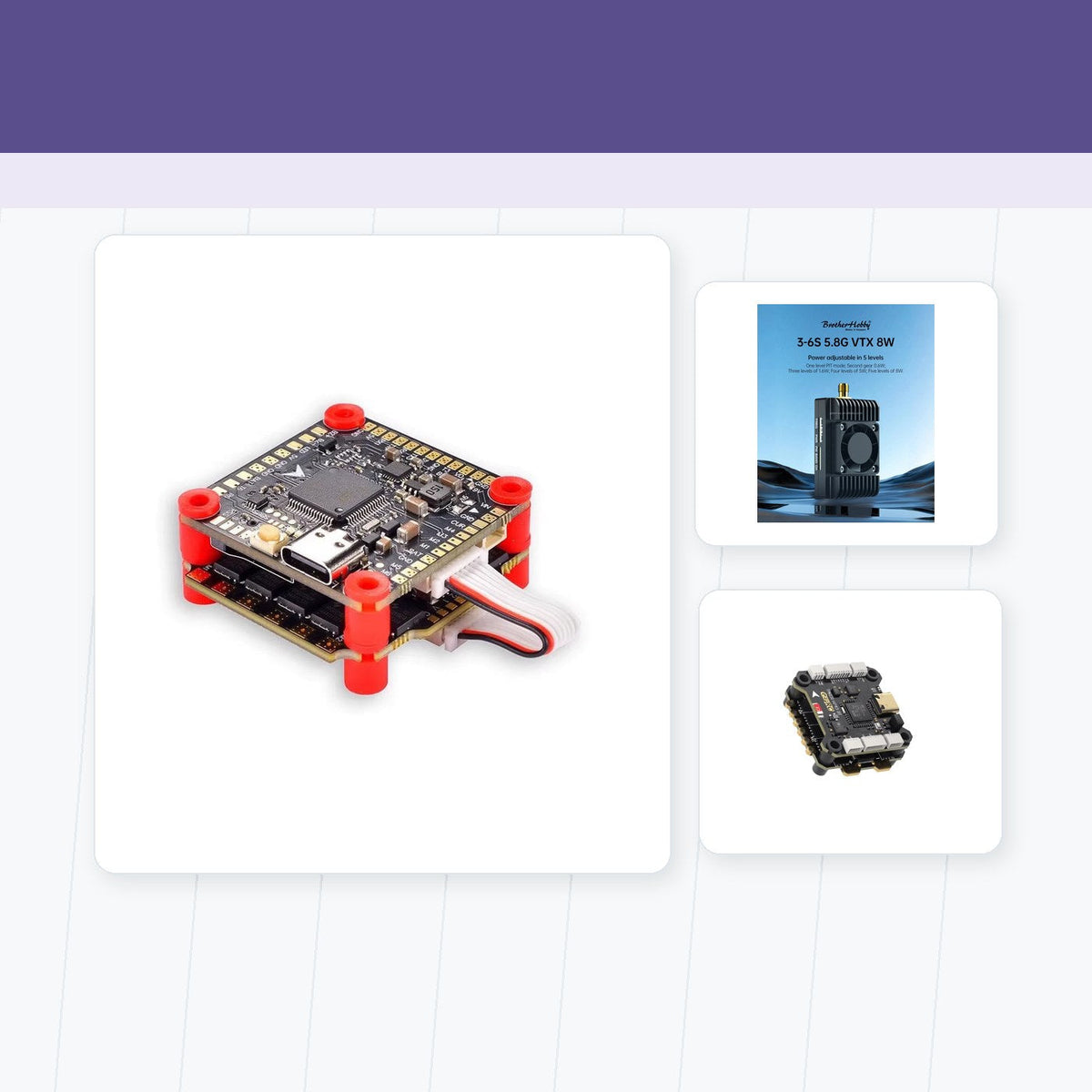
For digital-oriented builds, check frame room, mounting pattern, heat clearance, and OSD support before buying parts. A stack or board with clean integration, such as a DJI OSD-ready F405 flight controller, can simplify HD builds where digital OSD and stable wiring matter.
Decision Framework
- Choose analog for first repairs, tight budgets, tiny whoops, and racing practice.
- Choose digital for cinematic flying, clearer navigation, and higher-quality DVR or onboard recording.
- Do not mix ecosystem decisions casually; goggles usually lock in your next several builds.
- Check antenna type, connector type, mounting room, and replacement availability before checkout.
Analog is not obsolete, and digital is not automatically wasteful. The best system is the one that matches the drone you will actually fly, crash, repair, and enjoy.
Share:
How Much Does FPV Cost? Beginner Budget Breakdown for 2026
Best FPV Radios with Hall Sensor Gimbals in 2026