
If you're looking to build the perfect 5 inch freestyle drone, you've come to the right place. The 5-inch platform remains the gold standard for freestyle FPV flying because it offers the ideal balance between power, agility, durability, and efficiency.
Whether you're building your first quad or upgrading an existing setup, choosing compatible components can make the difference between a drone that simply flies and one that performs flawlessly.
In this guide, we'll walk through everything you need to know about creating a reliable 5 inch freestyle build, including recommended components, build tips, tuning advice, and common mistakes to avoid.

Why Choose a 5 Inch Freestyle Build?
Among all FPV drone sizes, the 5-inch category has become the industry standard for freestyle pilots.
A quality 5-inch build offers:
-
Excellent power-to-weight ratio
-
Smooth cinematic movement
-
Fast acceleration
-
Precise control
-
Wide availability of replacement parts
-
Huge community support
Compared with smaller drones, a 5-inch quad handles wind much better while still remaining agile enough for technical freestyle tricks.
Essential Components for a 5 Inch Freestyle Drone
Building starts with selecting components that work well together.
1. Frame
A strong frame is the foundation of every freestyle build.
Look for:
-
True X geometry
-
5mm arms
-
Replaceable arms
-
Carbon fiber construction
-
220–225mm wheelbase
Durability is especially important since freestyle flying often involves crashes.
2. Motors
The most common motor size is:
2207 or 2306 motors
Typical KV ratings include:
-
1750–1950KV for 6S
-
2400–2600KV for 4S
2207 motors remain the favorite choice because they provide excellent torque and smooth throttle response.
3. ESC
Modern freestyle builds typically use:
-
45A ESC
-
50A ESC
-
55A ESC
A 4-in-1 ESC simplifies wiring while reducing overall weight.
Choose an ESC that supports:
-
BLHeli_32 or Bluejay
-
DShot600
-
Current sensor
-
Quality MOSFETs
4. Flight Controller
A modern F7 flight controller provides:
-
More UARTs
-
Better processor performance
-
Improved filtering
-
Easier expansion
Features worth considering include:
-
USB-C connector
-
Built-in Blackbox
-
Barometer (optional)
-
DJI O3 compatibility
-
Plug-and-play connectors
5. Propellers
Prop selection significantly changes how your quad flies.
Popular sizes:
-
5.0x4.3x3
-
5.1x3.6x3
-
5.1x4.8x3
Lower pitch offers smoother control, while higher pitch delivers more punch at the cost of efficiency.
Always carry spare props—they're the most commonly replaced part.
6. FPV Camera
A good camera improves confidence while flying.
Look for:
-
Wide Dynamic Range (WDR)
-
Low latency
-
Excellent low-light performance
-
Durable aluminum housing
Popular sensor sizes include:
-
1/2"
-
1/1.8"
7. Video System
Today's pilots generally choose between:
-
Analog FPV
-
HDZero
-
Walksnail Avatar
-
DJI O4/O3 systems
Digital systems provide higher image quality and improved penetration, while analog remains lightweight and budget-friendly.
8. Receiver
Reliable radio communication is essential.
Popular protocols include:
-
ExpressLRS (ELRS)
-
Crossfire
ELRS has become the preferred option thanks to:
-
Long range
-
Low latency
-
Affordable receivers
-
Frequent firmware updates
9. Battery
The majority of freestyle pilots now fly:
6S 1300–1500mAh LiPo
Benefits include:
-
Lower current draw
-
Better throttle response
-
More consistent power
-
Longer battery life
Choose batteries with a discharge rating of at least 100C from reputable manufacturers.
Recommended 5 Inch Freestyle Build (2026)
Here's a balanced configuration suitable for most pilots:
| Component | Recommendation |
|---|---|
| Frame | 5" True X Carbon Frame |
| Motors | 2207 1950KV |
| ESC | 50A 4-in-1 |
| Flight Controller | F7 FC |
| Props | 5.1" Tri-Blade |
| Receiver | ExpressLRS |
| Video | DJI O4 / Walksnail / HDZero |
| Battery | 6S 1400mAh |
This setup provides excellent freestyle performance while remaining easy to maintain.
Assembly Tips
A clean build is usually a reliable build.
Some best practices include:
-
Keep motor wires short
-
Secure capacitors properly
-
Use quality solder
-
Add strain relief to antennas
-
Double-check motor screws
-
Use thread locker on metal-to-metal screws
Before installing propellers, always verify motor direction using Betaflight.
Betaflight Setup
Once assembled, configure:
-
Receiver mapping
-
ESC protocol
-
Motor direction
-
OSD layout
-
Failsafe
-
Rates
-
PID profile
Modern Betaflight defaults fly remarkably well, making advanced tuning unnecessary for many pilots.
Common Mistakes Beginners Make
Many first-time builders encounter similar issues.
Avoid:
-
Mixing incompatible components
-
Buying undersized ESCs
-
Forgetting smoke stopper testing
-
Poor solder joints
-
Incorrect motor screws
-
Over-tightened stack hardware
Taking your time during assembly saves hours of troubleshooting later.
Maintenance Tips
Freestyle drones experience significant vibration and impact.
After every few flights:
-
Check propellers
-
Inspect motor bearings
-
Tighten frame screws
-
Clean dirt from electronics
-
Verify antenna condition
-
Review Blackbox logs if necessary
Regular maintenance greatly increases reliability.
Why Buy Components from FPV Supply Co.?
Building your own quad is only as good as the quality of the components you choose.
At FPV Supply Co., we carefully source reliable FPV parts for freestyle pilots, racers, hobbyists, and professional builders. Whether you're replacing a single component or assembling an entirely new quad, you'll find quality hardware designed for performance and durability.
Our inventory includes:
-
Carbon fiber frames
-
Motors
-
Flight controllers
-
ESCs
-
FPV cameras
-
Video transmitters
-
Propellers
-
Batteries
-
Accessories
Our goal is to help every pilot build with confidence and spend more time flying.
Final Thoughts
A well-designed 5 inch freestyle build remains one of the most versatile FPV drones available today. With the right frame, electronics, and tuning, you'll have a quad capable of smooth cinematic flights, technical freestyle tricks, and reliable everyday performance.
Whether you're building your very first FPV drone or upgrading an existing setup, investing in quality components will always pay off in durability, flight performance, and confidence in the air.
Ready to start your next build? Explore our selection of premium FPV components and find everything you need to create your perfect 5 inch freestyle drone.
Related FPV Resources
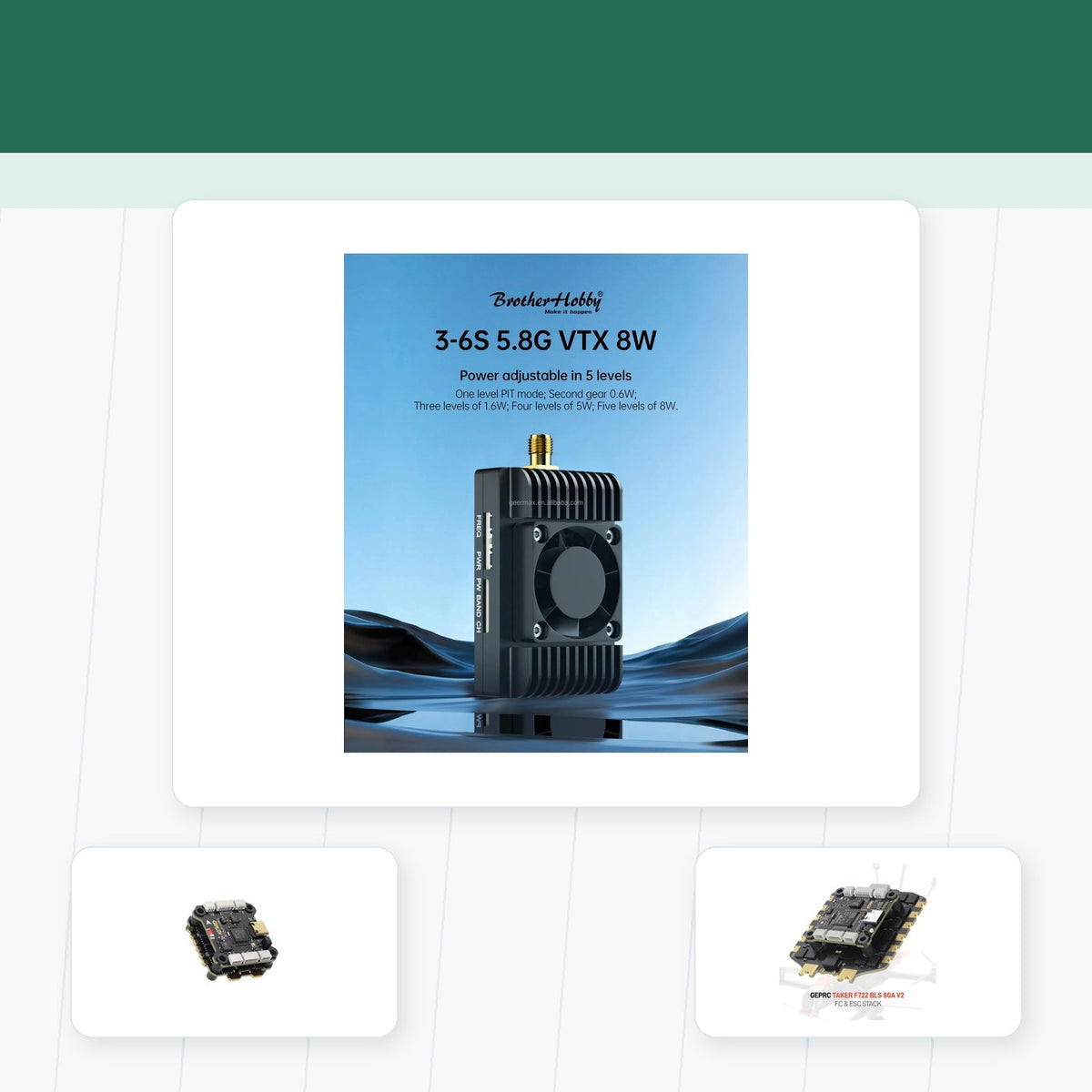
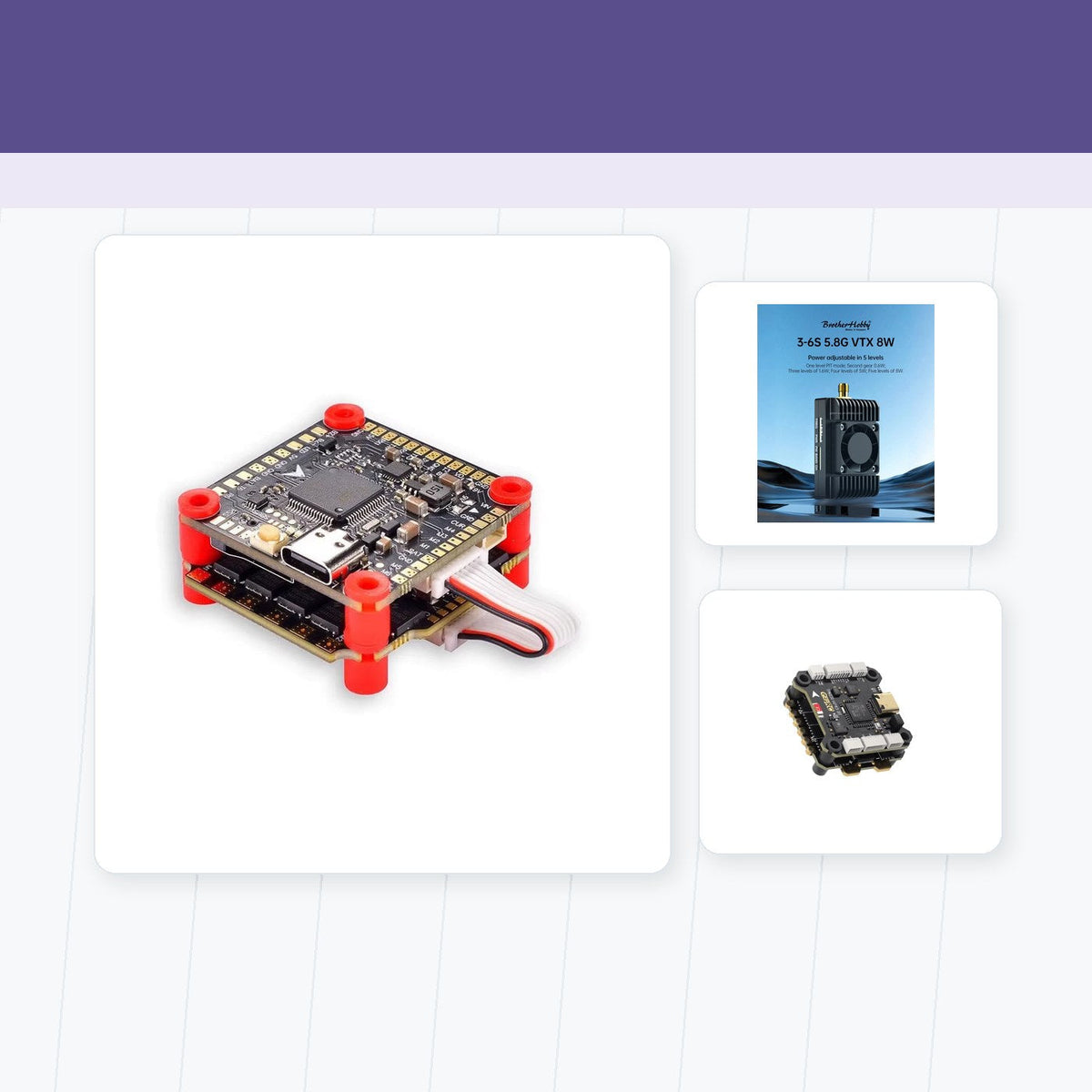
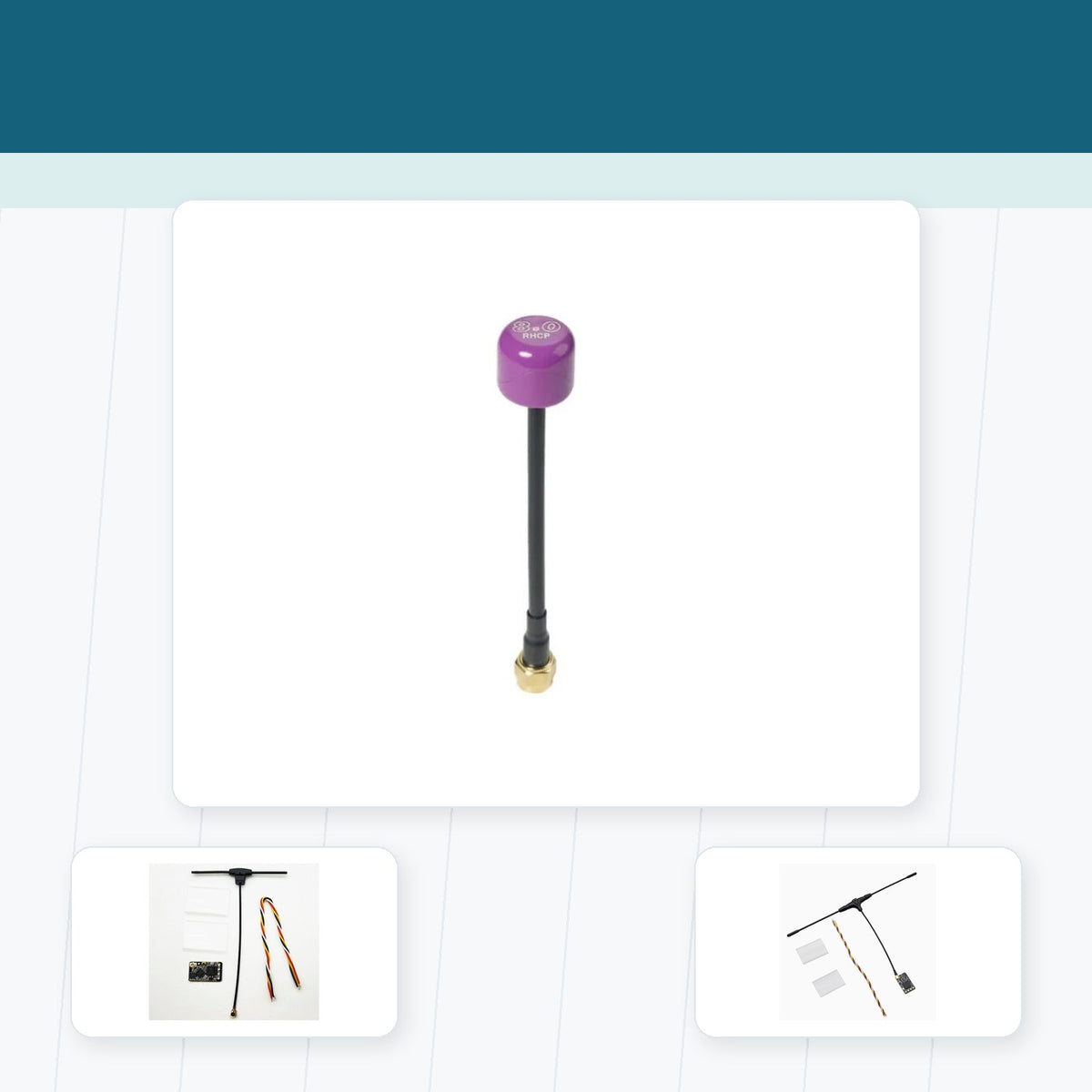
Build around a compatible carbon fiber frame, FPV motor set, and FC and ESC stack.
Share:
Top Drone Flight Controller Tuning Software: Which One Should You Choose?