
Prepare FPV drones and LiPo batteries for air travel with practical packing tips, battery safety, carry-on rules, terminal protection, and checklists.

Flying with FPV gear is manageable when you separate the aircraft, batteries, tools, and radio equipment before packing. The drone itself is usually not the hardest part. The friction comes from LiPo batteries, sharp tools, large chargers, loose connectors, and last-minute repacking at security.
Pack by Risk Category
| Item | Best packing habit | Reason |
|---|---|---|
| LiPo batteries | Cabin bag, protected terminals, storage voltage | Battery safety rules are strict and airline-specific |
| Drone frame | Remove props and protect antennas | Prevents damage and makes inspection easier |
| Radio transmitter | Use a case and disable power switches | Protects gimbals and avoids accidental battery drain |
| Tools | Keep sharp or bulky tools out of cabin bags | Security screening rules vary by tool type |
Before You Leave Home
- Discharge flight packs to storage voltage.
- Cover XT30, XT60, balance leads, and loose terminals.
- Remove props from quads packed in carry-on luggage.
- Photograph your gear layout before closing the case.
- Put batteries where you can reach them quickly during inspection.
Gear Pages Worth Checking
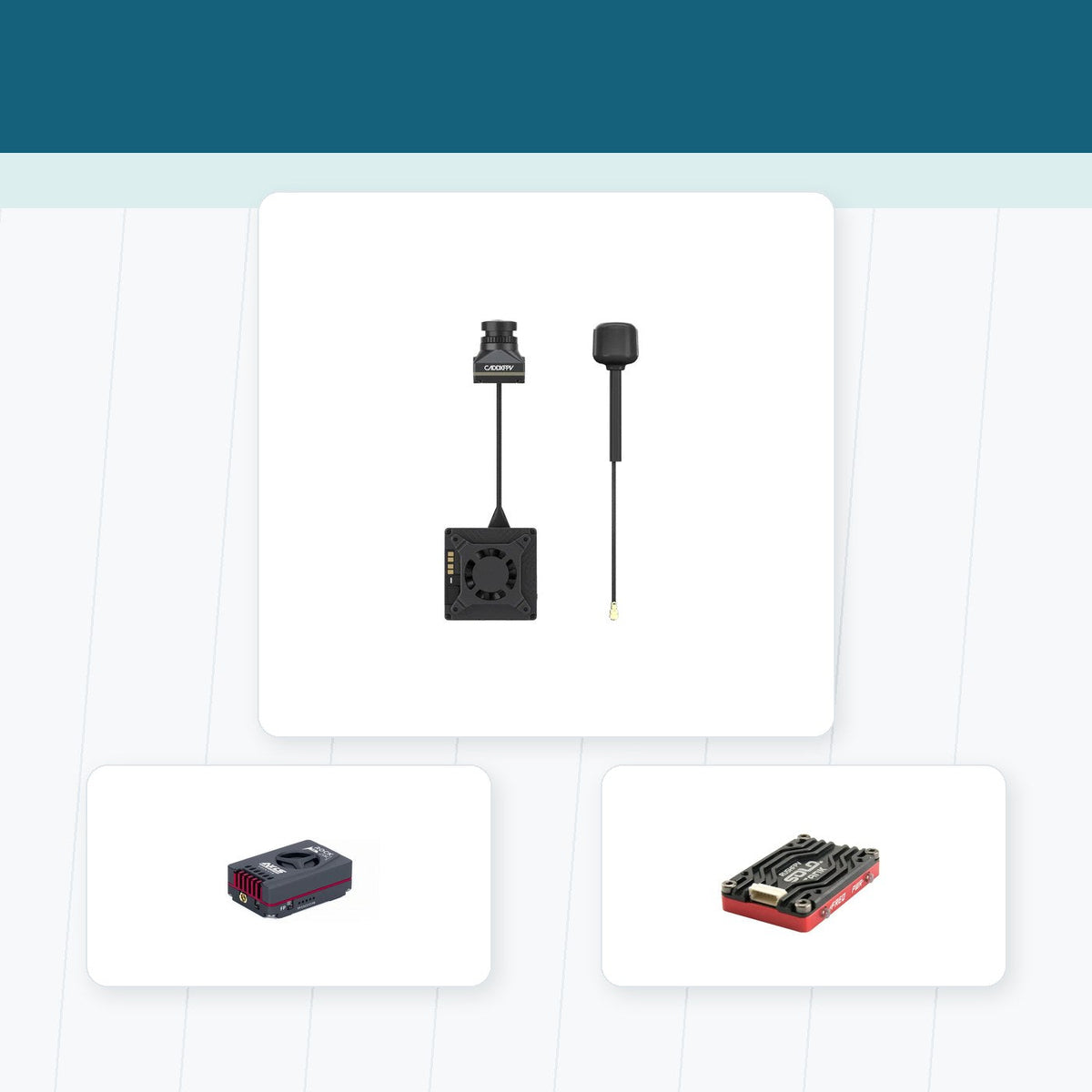
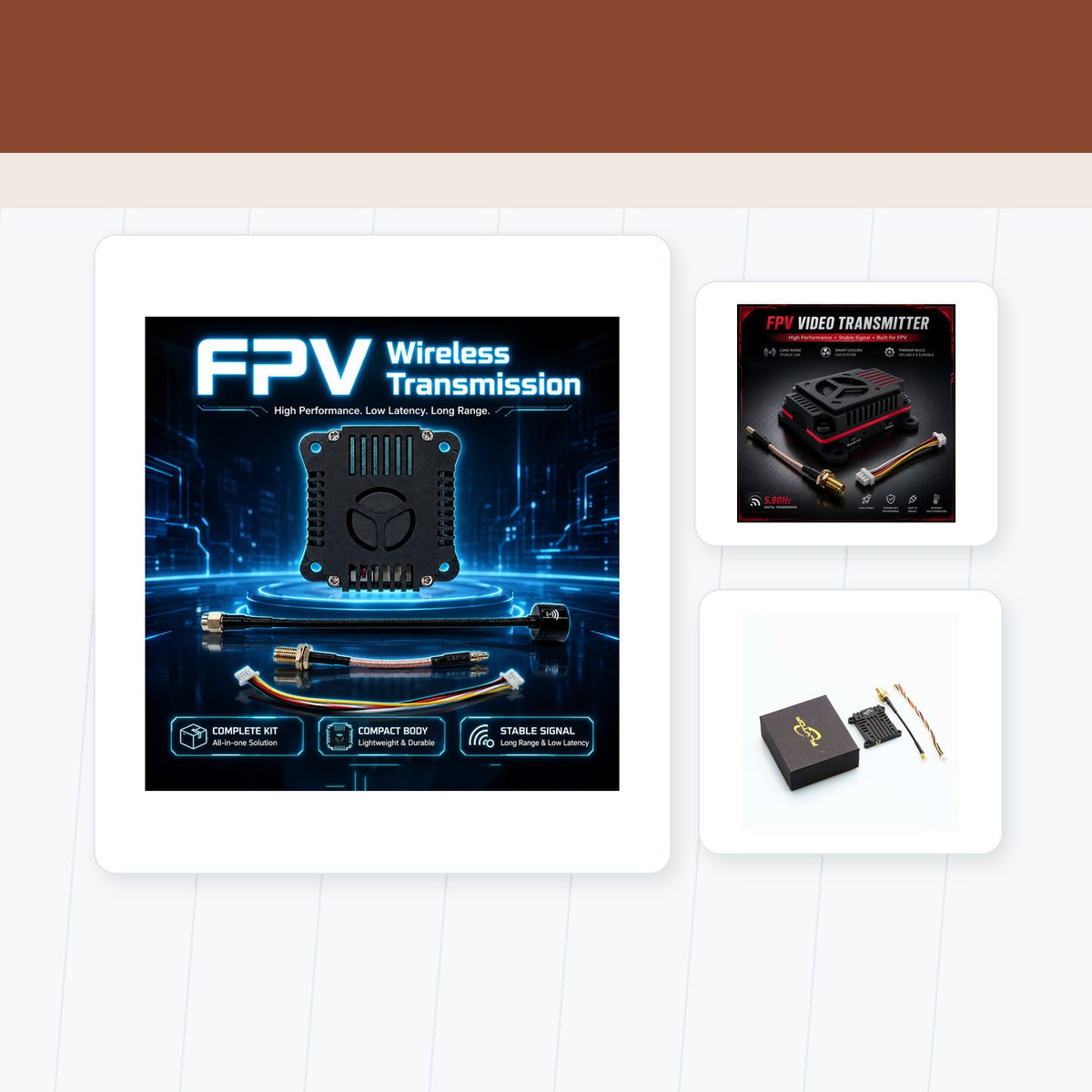
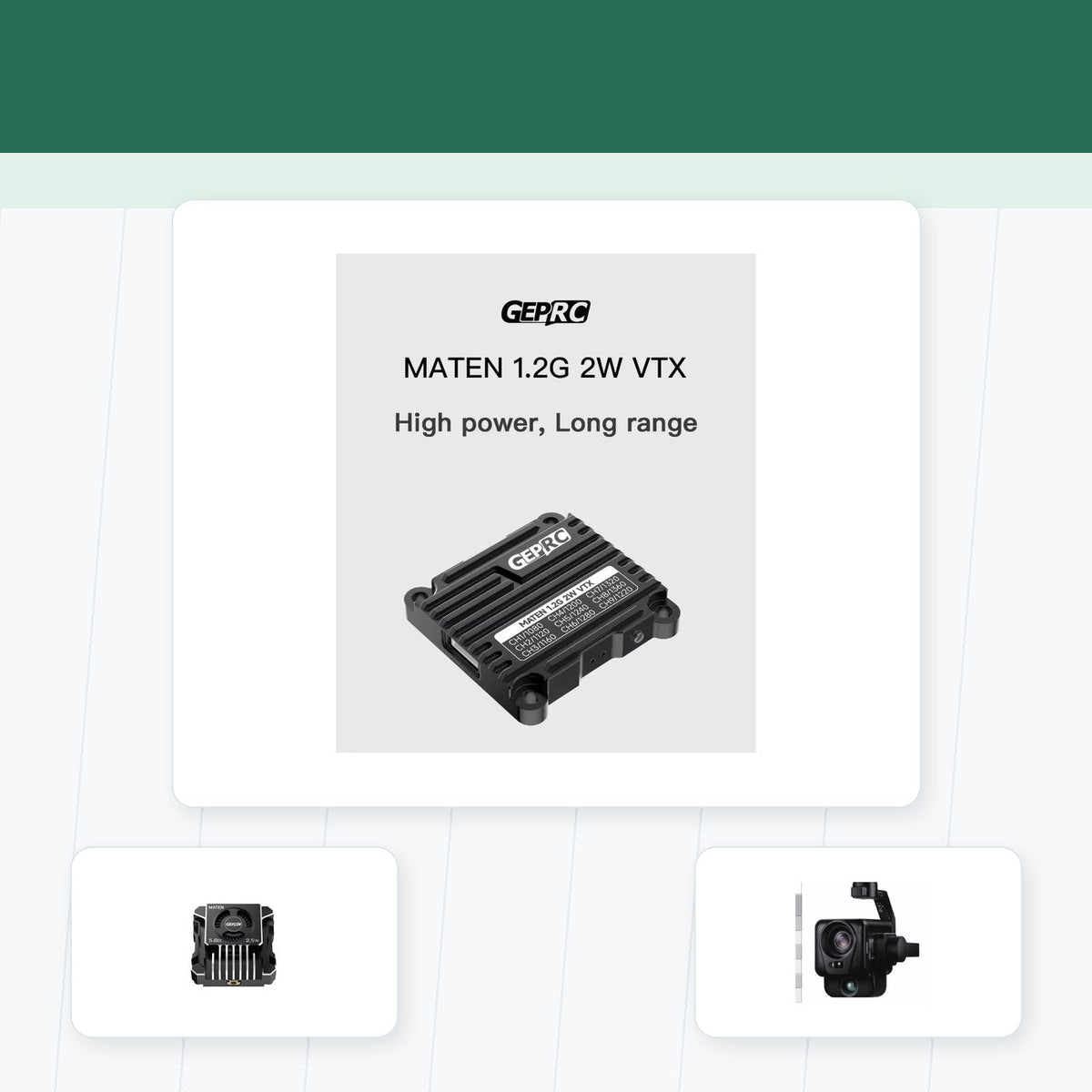
For travel-friendly aircraft, compare smaller RTF and BNF FPV drones. Keep spare FPV propellers separate from installed props, and protect fragile video components such as FPV cameras and FPV video transmitters inside padded cases.
Airport Day Notes
Arrive with extra time, especially if your bag contains several packs, antennas, chargers, and tools. Be ready to explain that the batteries are for recreational model aircraft. Keep the battery count and watt-hour information understandable. If a pack is puffed, damaged, or unlabeled, do not travel with it.
Travel References
- FAA Airline Passengers and Batteries
- FAA Recreational Flyers
- Academy of Model Aeronautics Safety
- First-person view on Wikipedia
Practical Checklist for Flying with FPV Gear: Airline Rules for Drones and LiPo Batteries
Use the following checklist to turn the comparison or procedure in this guide into a repeatable decision. Start with the equipment and conditions you actually use, document the current working state, and avoid changing several variables at once.
- Check the airline and departure, transit, and arrival-country rules before every trip because requirements change.
- Carry LiPo batteries in cabin baggage with terminals protected and each pack individually secured.
- Verify watt-hours and obtain airline approval when a battery falls into a restricted capacity category.
- Use storage charge where appropriate, inspect for swelling or damage, and never travel with a compromised pack.
- Pack tools, propellers, transmitters, and frames so security staff can inspect them without exposed sharp parts.
How to Validate the Result
Define a clear success condition before testing. For Flying with FPV Gear: Airline Rules for Drones and LiPo Batteries, that might be stable operation, lower temperature, cleaner video, more predictable control, easier maintenance, better compatibility, or a safer workflow. Record the starting configuration, complete one controlled change, and compare the result under the same conditions. If the outcome cannot be repeated, treat it as an observation rather than a proven improvement.
Photograph wiring and mounting, save configuration files, and note component models and firmware versions where relevant. These records are especially useful after a crash, repair, software update, or equipment swap. They also make it easier to explain the setup to another pilot, technician, or purchasing team without relying on memory.
Before relying on the result, repeat the test under representative conditions and record the hardware, firmware, settings, environment, and outcome. A known-good baseline makes future upgrades and troubleshooting faster because each change can be compared with evidence instead of memory.
Revisit this checklist whenever the aircraft, battery, video or control system, payload, software, or operating environment changes. Confirm manufacturer documentation and local requirements where safety, radio transmission, batteries, airspace, or professional operations are involved.
Share:
FPV Radio Channels and Switches Explained for Beginners
FPV Hovering and Throttle Control: Simulator Drills for Beginners