
A beginner glossary for FPV terms like ELRS, VTX, RX, FC, ESC, BNF, PNP, RTF, LiPo, and Betaflight so product pages make sense.

FPV vocabulary can make a beginner feel locked out of the hobby. The trick is not memorizing every term at once. Start with the words that decide compatibility. If a term helps you avoid buying the wrong radio, receiver, battery, or drone, learn that term first.
Buying Terms
| Term | Plain meaning | Why beginners care |
|---|---|---|
| RTF | Ready-to-fly kit | Usually includes more of the setup |
| BNF | Bind-and-fly drone | Needs compatible radio and goggles |
| PNP | Plug-and-play aircraft | Often needs your own receiver |
| ELRS | ExpressLRS radio link | Radio and receiver must match |
Drone Electronics Terms
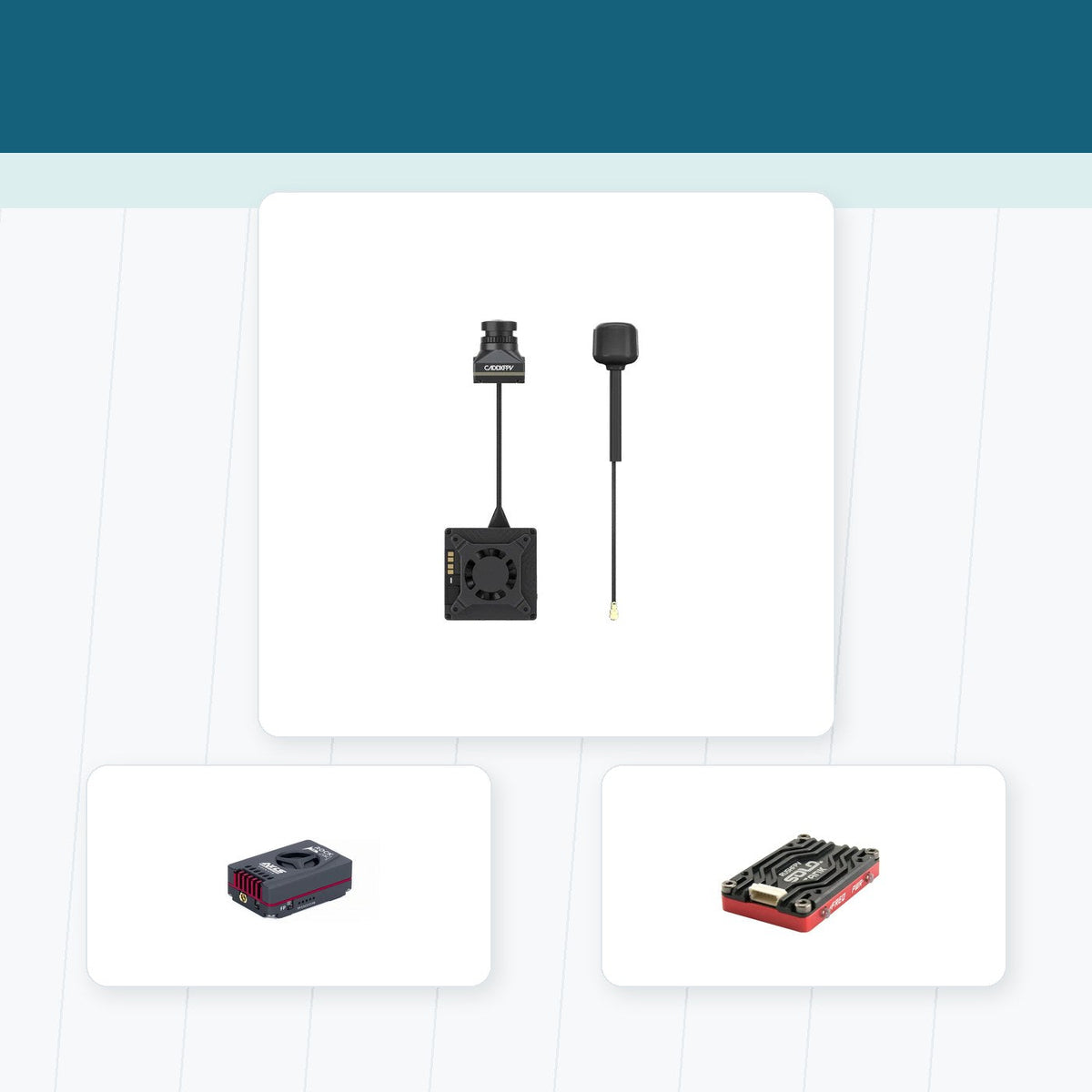
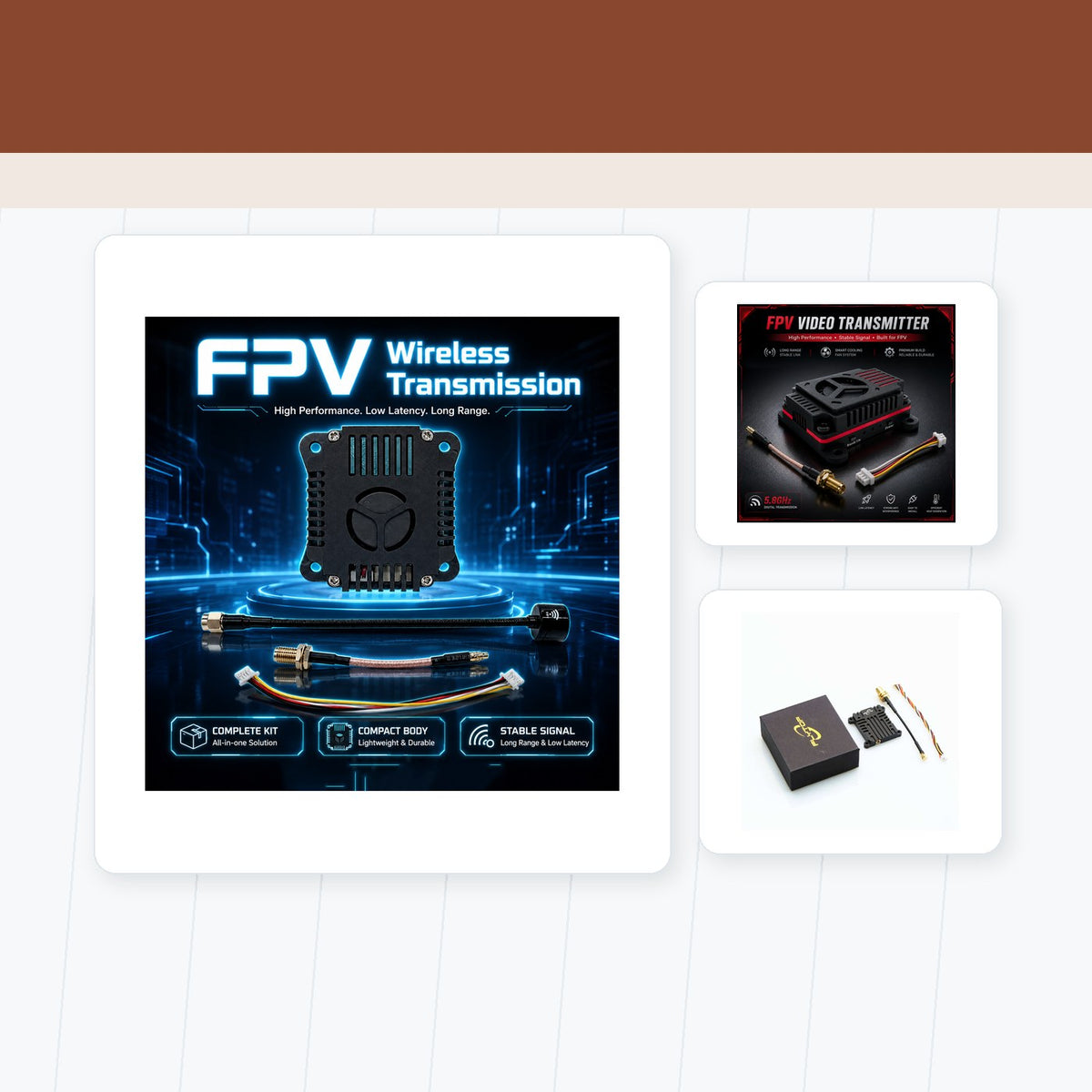
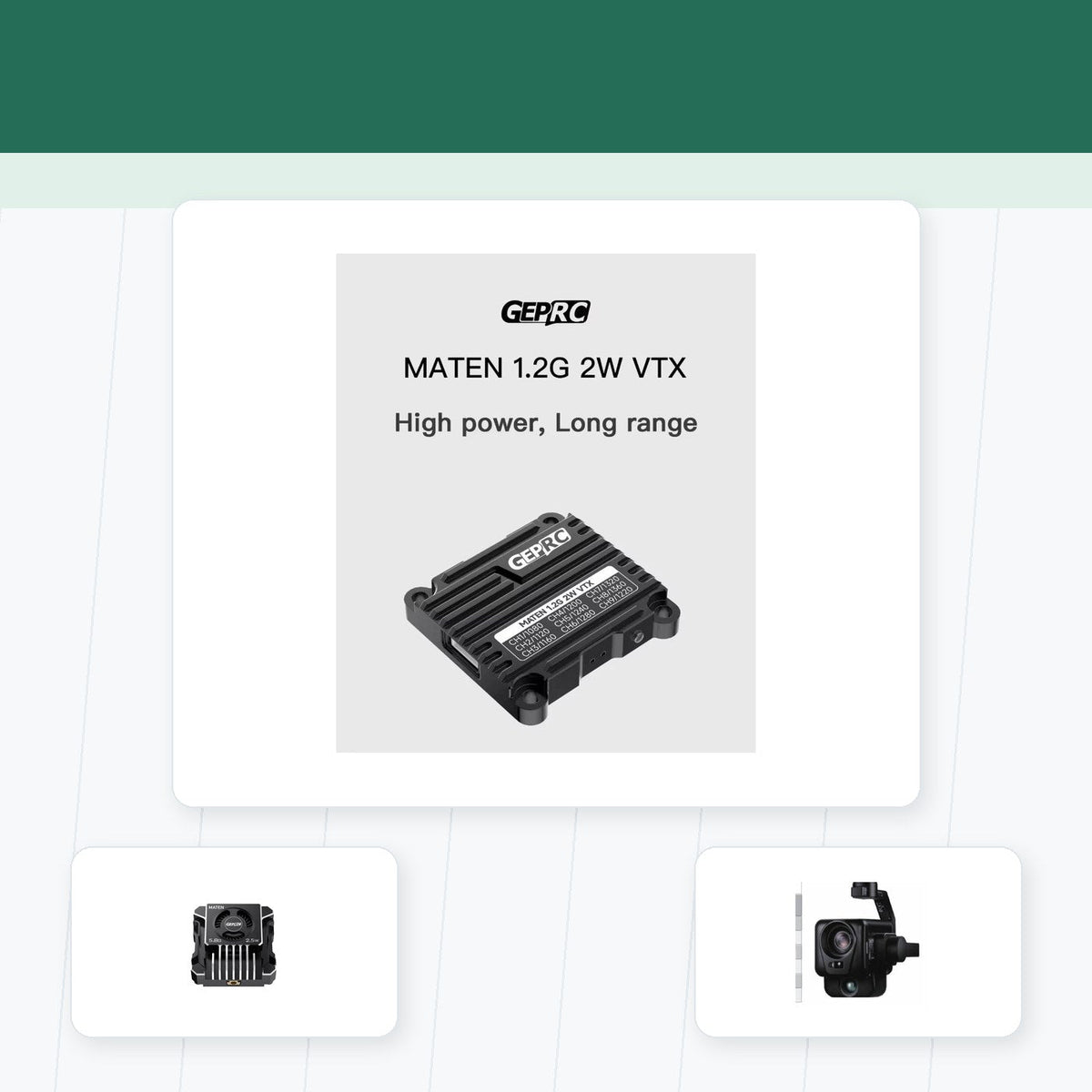
FC means flight controller, the board that reads sensors and commands the quad. ESC means electronic speed controller, the part that drives motors. VTX means video transmitter, and RX usually means receiver. Once these four terms make sense, product pages become much less intimidating.
LiPo refers to the battery type used by most FPV quads. LiPo knowledge matters because charging, storage voltage, cell count, and connector type affect both safety and performance.
Where the Terms Show Up
When comparing RTF and BNF FPV drones, look for receiver protocol, video system, battery connector, and included accessories. When choosing RadioMaster FPV radios, check ELRS support and simulator connection. For repairs, categories such as FC and ESC stacks, FPV video transmitters, and FPV receivers and ELRS RX gear are where acronyms become actual parts.
Mini Translation Habit
- Underline every acronym on a product page.
- Translate it into a compatibility question.
- Check whether the answer matches your existing radio, goggles, and batteries.
- Only then compare price or shipping.
Glossary Sources
- First-person view on Wikipedia
- ExpressLRS Getting Started
- Betaflight Getting Started
- EdgeTX User Manual
Practical Checklist for FPV Terms Explained: 10 Acronyms Every Beginner Must Know
Use the following checklist to turn the comparison or procedure in this guide into a repeatable decision. Start with the equipment and conditions you actually use, document the current working state, and avoid changing several variables at once.
- Group terms by system: control link, video link, flight control, powertrain, and battery.
- Connect every acronym to the physical component and configuration screen where it appears.
- Check protocol compatibility instead of assuming similar-looking connectors indicate compatible electronics.
- Keep notes for firmware targets, UART assignments, frequencies, and antenna polarization on each build.
- Use manufacturer documentation when a term describes a limit, pinout, or safety requirement.
How to Validate the Result
Define a clear success condition before testing. For FPV Terms Explained: 10 Acronyms Every Beginner Must Know, that might be stable operation, lower temperature, cleaner video, more predictable control, easier maintenance, better compatibility, or a safer workflow. Record the starting configuration, complete one controlled change, and compare the result under the same conditions. If the outcome cannot be repeated, treat it as an observation rather than a proven improvement.
Photograph wiring and mounting, save configuration files, and note component models and firmware versions where relevant. These records are especially useful after a crash, repair, software update, or equipment swap. They also make it easier to explain the setup to another pilot, technician, or purchasing team without relying on memory.
Before relying on the result, repeat the test under representative conditions and record the hardware, firmware, settings, environment, and outcome. A known-good baseline makes future upgrades and troubleshooting faster because each change can be compared with evidence instead of memory.
Revisit this checklist whenever the aircraft, battery, video or control system, payload, software, or operating environment changes. Confirm manufacturer documentation and local requirements where safety, radio transmission, batteries, airspace, or professional operations are involved.
Share:
FPV Hovering and Throttle Control: Simulator Drills for Beginners
HDZero FPV System Explained: Ultra-Low Latency for Racing