
🚁 Building a new FPV drone? Choosing the right Motor is the most critical step!
Get it wrong, and you'll face overheating, short flight times, or poor handling. Get it right, and your drone will fly like a dream. ✨

We broke down the complex specs into 3 simple rules:
1️ Stator Size (The Muscle):

14xx / 15xx: Perfect for Micro drones & 2-3 inch props.
22xx / 23xx: The gold standard for 5-inch Freestyle & Racing builds.
28xx+: High torque for heavy Cinelifter setups (7-inch+).
2 KV Rating (The Speed vs. Torque):

High KV: Best for Low Voltage (4S) batteries or smaller props. Fast RPM! ⚡
Low KV: Best for High Voltage (6S) batteries or larger props. More torque & efficiency. 🔋
3 Match Your Mission:

Racing: Needs explosive power.
Freestyle: Needs smooth throttle response.
Cinelifter: Needs stability and efficiency for long flight times.
💡 Pro Sourcing Tip: Don't just chase "Max Thrust" on the spec sheet! Look at Efficiency (g/A) and Thermal Performance. A cooler motor lasts longer and flies better.

🏭 Need motors for your fleet or shop? Let FPV Supply Co. handle your sourcing. ✅ Top Brands & Cost-effective Alternatives ✅ Strict QC & Consistency ✅ Competitive Bulk Pricing
👇 What are you building right now? 3-inch, 5-inch, or a heavy Cinelifter? Drop a comment! 📩 DM us "BOM" for a wholesale quote.

A Practical Motor Selection Process
Start with the propeller size and the aircraft's intended job. A light micro build, a 5-inch freestyle quad, and a camera-carrying platform place very different demands on a motor. Frame clearance determines the propeller you can use, while the target all-up weight helps determine how much torque and thrust reserve the build needs. Choose the motor only after those two decisions are clear.
Match KV to Battery Voltage
KV describes unloaded motor speed per volt; it does not directly measure power. A higher-voltage battery generally calls for a lower-KV motor to keep rotational speed and current within a useful range. A lower-voltage setup may use higher KV to reach a similar speed. Always follow the motor manufacturer's recommended voltage and propeller combinations instead of comparing KV numbers in isolation.
Account for Propeller Load
Diameter, pitch, blade count, and blade shape all change the load on the motor. More pitch or blade area can provide stronger response, but it can also raise current draw and heat. If you change to a more demanding propeller, recheck motor temperature, ESC headroom, and flight time. A well-matched setup should deliver the required control without leaving the power system consistently hot.
Protect the ESC and Battery
Use reliable thrust-test data when available and leave sensible current headroom in the ESC. The battery must also be capable of supporting the combined demand of all motors without excessive voltage sag. Connector condition, solder quality, wire gauge, airflow, and tune can affect real-world results even when the headline specifications appear compatible.
Bench Check Before Flight
Verify motor mounting screws do not touch the windings, confirm rotation direction without propellers installed, and inspect every solder joint. Fit the correct propellers only after the receiver, arming behavior, and failsafe have been tested. Begin with a short, controlled flight, then inspect motor and ESC temperature before using aggressive throttle.
Record a Proven Combination
Once the aircraft performs reliably, record the exact motor, propeller, battery, ESC, firmware, and all-up weight used in the build. Note typical flight time and component temperature after a representative flight. This record makes future repairs and repeat builds much easier because replacement parts can be checked against a known working combination. For wholesale or fleet projects, validate one sample configuration before ordering or assembling the full quantity.
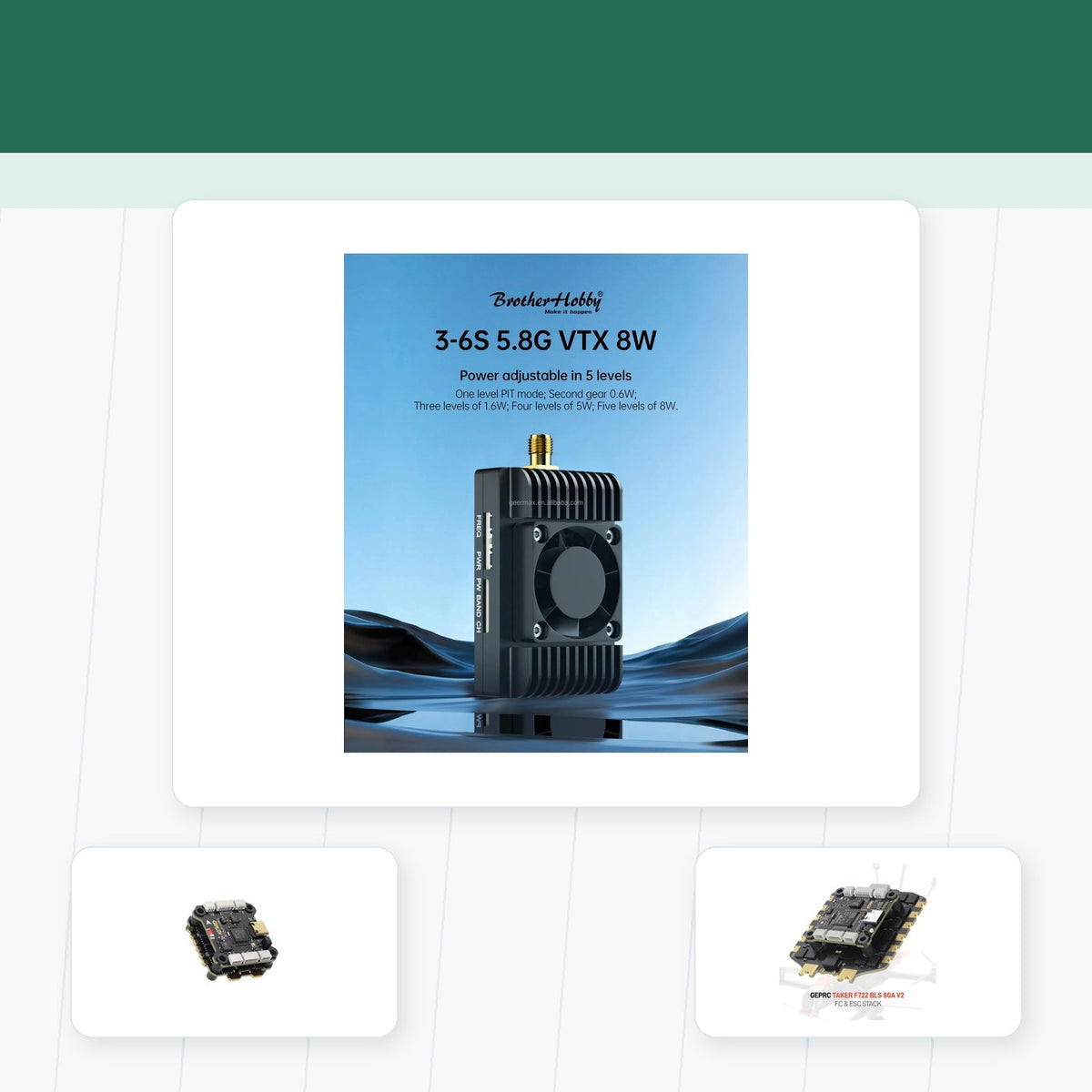
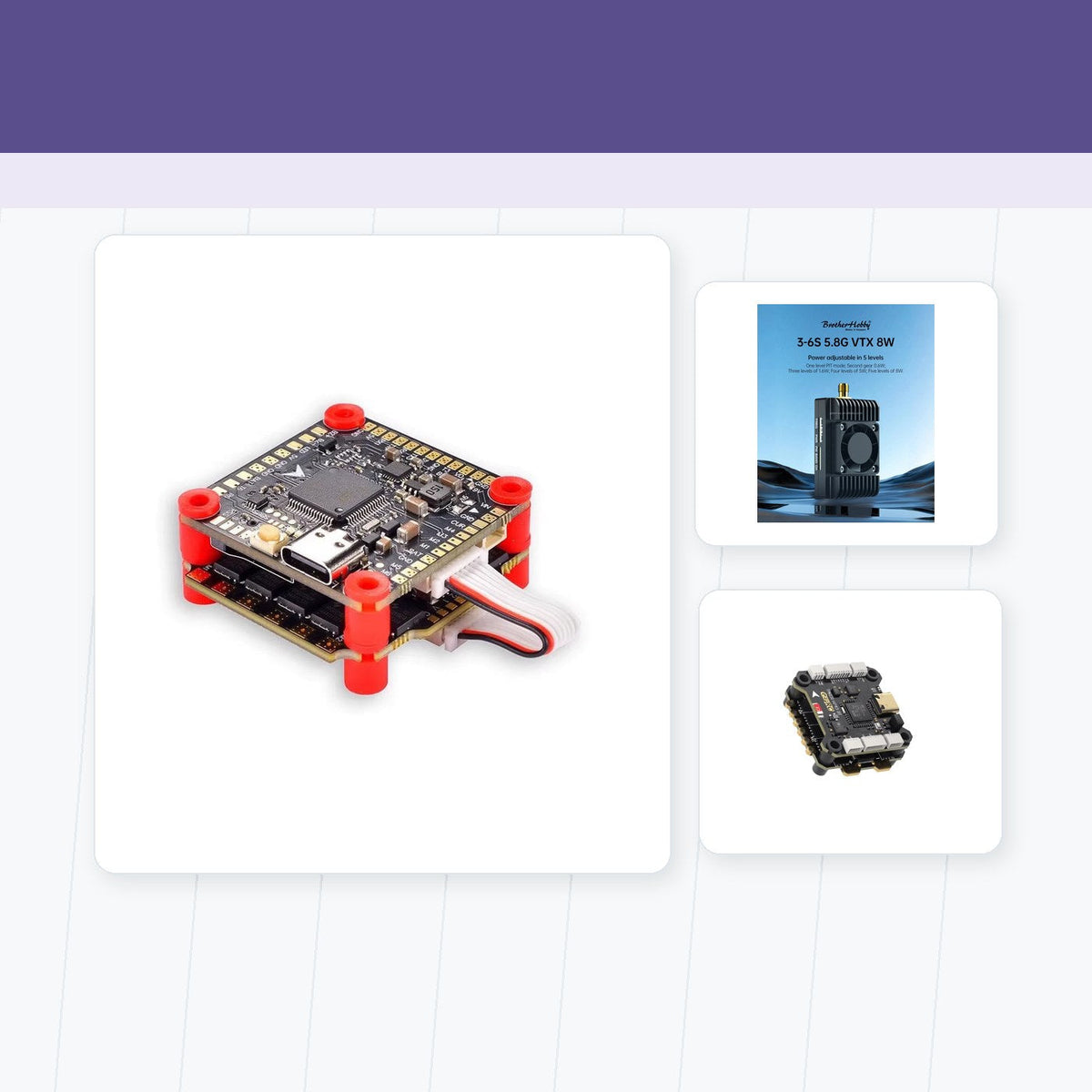
Compare available brushless FPV motors, match them with the correct FPV propellers, and review FC and ESC stack options when planning the complete power and control system.
Share:
How to Choose the Right ESC for Your Drone
Liftoff vs VelociDrone: Which FPV Simulator Should You Buy?