
A high-gain patch antenna can make long-range FPV feel calmer, but only when its beam pattern matches the way you fly. The best patch is not always the one with the highest dBi number.

Patch antennas focus reception in one direction. That focus is useful when the drone flies mostly in front of the pilot, such as mountain cruising, ridge lines, open fields, and race courses with a predictable layout.
How Patch Antenna Gain Changes the Flight
A lower-gain patch around 8 to 10 dBi usually has a wider beam. That makes it easier to fly naturally without keeping your head perfectly aimed at the aircraft.
A higher-gain patch around 13 to 15 dBi or more can reach farther, but the beam narrows. It is powerful for dedicated long-range lines and less forgiving when you turn behind yourself or fly wide freestyle arcs.
Patch Antenna Buying Range
| Gain range | Best use | Main tradeoff |
|---|---|---|
| 8-10 dBi | General park flying, freestyle, mixed range | Less maximum reach than narrow high-gain patches |
| 11-13 dBi | Open fields and longer lines | Needs more careful aiming |
| 14 dBi+ | Purpose-built long-range and mountain flying | Narrow beam and less casual coverage |
Diversity Still Matters
Most pilots should not run a patch as the only receiving antenna. A diversity receiver with one omni and one patch gives you broad local coverage plus focused reach in the main flight direction.
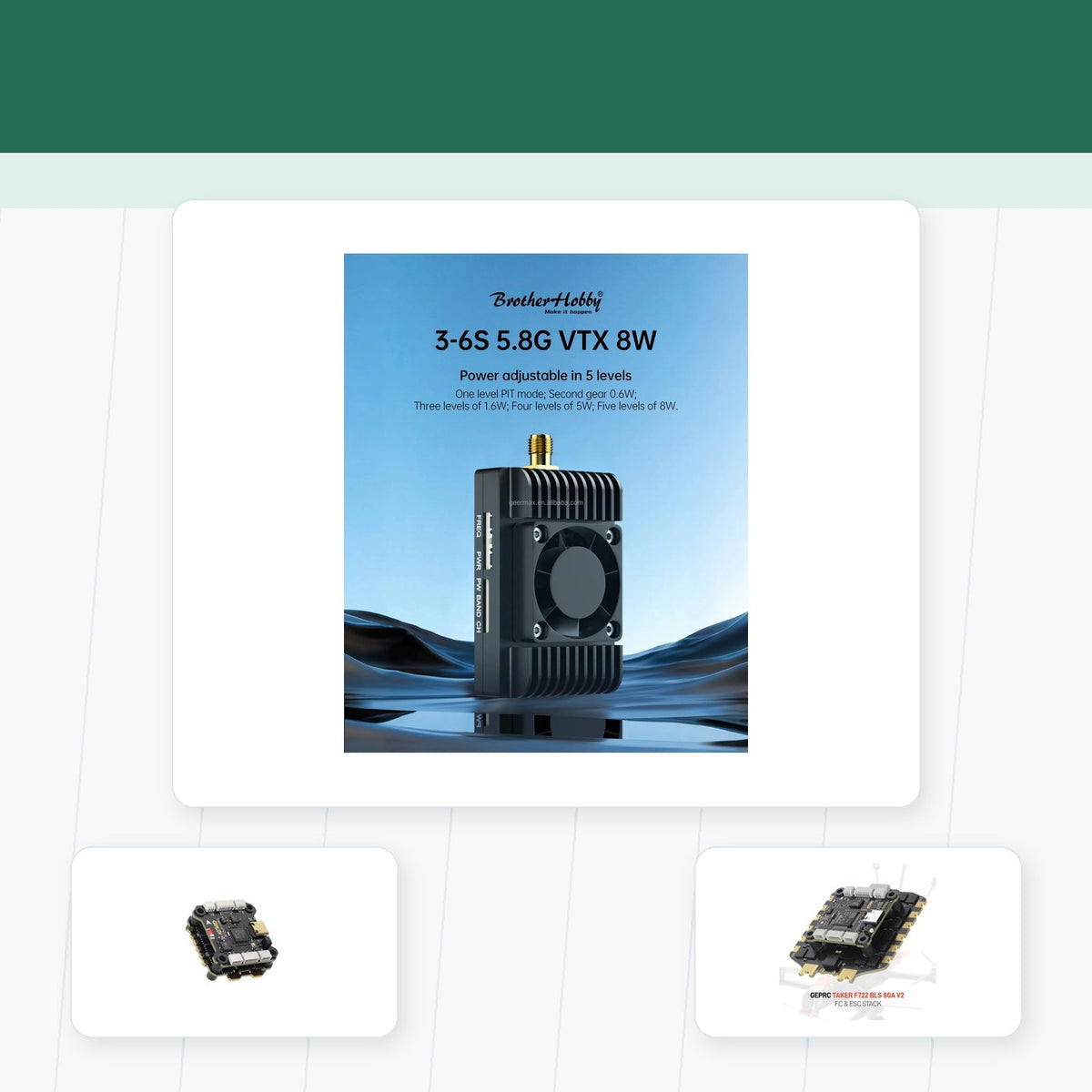
On the drone side, the VTX antenna needs a clean path away from carbon and battery shadowing. Pair patch antenna upgrades with a dependable transmitter from FPV video transmitters instead of treating the goggle antenna as the whole solution.
Pre-Flight Antenna Checks
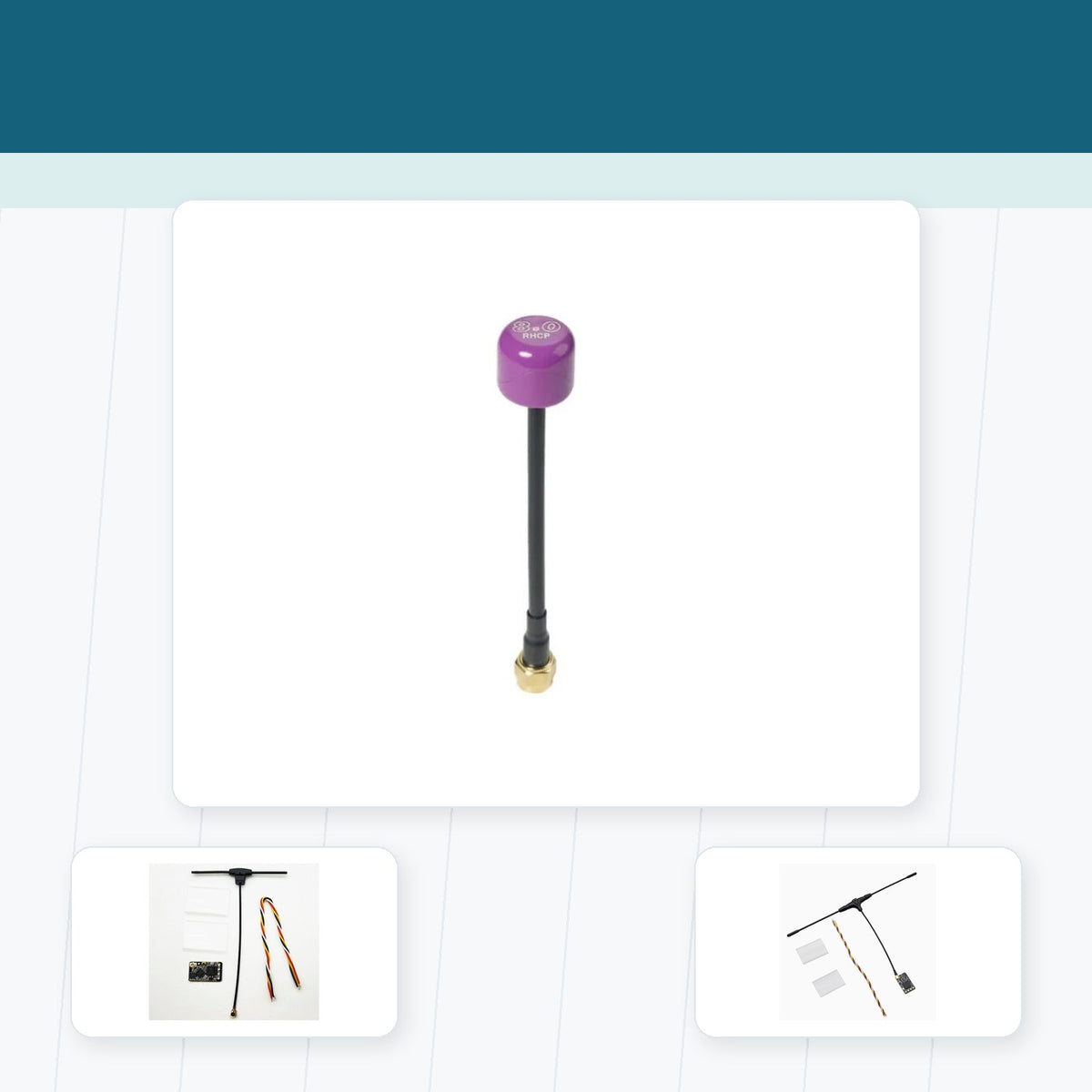
- Match LHCP or RHCP between the drone antenna and receiving antenna.
- Aim the patch at the weak area before takeoff, not after the signal is already failing.
- Confirm SMA or RP-SMA connectors before tightening anything.
- Use a wider patch for casual flying and a narrower patch only for deliberate long-range lines.
Buying Verdict
Choose a moderate-gain patch if you are still learning your flying spots. Choose a high-gain patch when the aircraft spends most of the flight in a known direction and you are disciplined about antenna aiming.
The right patch antenna should make the video link more predictable, not make the setup harder to fly.
Technical Reading
Practical Checklist for Best High-Gain Patch Antennas for FPV Long-Range Penetration
Use the following checklist to turn the comparison or procedure in this guide into a repeatable decision. Start with the equipment and conditions you actually use, document the current working state, and avoid changing several variables at once.
- Match frequency, polarization, connector, and receiver input before comparing advertised gain.
- Choose beam width according to how accurately the antenna can remain pointed at the aircraft.
- Mount the patch clear of the pilot, metal objects, and other antennas that can distort coverage.
- Pair directional gain with a suitable omnidirectional antenna when the receiver supports diversity.
- Conduct staged range tests and turn back before link quality reaches the recovery threshold.
How to Validate the Result
Define a clear success condition before testing. For Best High-Gain Patch Antennas for FPV Long-Range Penetration, that might be stable operation, lower temperature, cleaner video, more predictable control, easier maintenance, better compatibility, or a safer workflow. Record the starting configuration, complete one controlled change, and compare the result under the same conditions. If the outcome cannot be repeated, treat it as an observation rather than a proven improvement.
Photograph wiring and mounting, save configuration files, and note component models and firmware versions where relevant. These records are especially useful after a crash, repair, software update, or equipment swap. They also make it easier to explain the setup to another pilot, technician, or purchasing team without relying on memory.
Before relying on the result, repeat the test under representative conditions and record the hardware, firmware, settings, environment, and outcome. A known-good baseline makes future upgrades and troubleshooting faster because each change can be compared with evidence instead of memory.
Revisit this checklist whenever the aircraft, battery, video or control system, payload, software, or operating environment changes. Confirm manufacturer documentation and local requirements where safety, radio transmission, batteries, airspace, or professional operations are involved.
Share:
Box Goggles vs. Slim FPV Goggles: Which Fits You Best?
Top Analog VTX Modules with High Output Power