If you are buying your first FPV drone—especially if you are transitioning from DJI camera drones or have already logged significant hours in an FPV simulator—the ultimate dilemma always comes down to this: Should I buy a pre-built drone, or should I build my own from scratch?
This is the most critical decision a new pilot will make. In the FPV ecosystem, your entry points are divided into three clear paths: RTF (Ready-to-Fly), BNF (Bind-and-Fly), and DIY Build Kits. Each option has unique strengths, but the right choice depends entirely on your personal goals, budget, technical patience, and long-term commitment to the hobby.
1. The FPV Jargon: Decoding RTF, BNF, and DIY
Before comparing the paths, it helps to understand exactly what hardware arrives at your doorstep with each option.
-
RTF (Ready-to-Fly): A complete all-in-one box. It includes the pre-assembled drone, a radio transmitter, FPV goggles, a battery, and a basic charger.
-
BNF (Bind-and-Fly): A standalone pre-assembled drone equipped with a receiver. It does not come with a controller or goggles; you must provide your own compatible radio and bind them together.
-
DIY Build Kit: A curated package containing all separate components (frame, motors, flight controller, Electronic Speed Controller stack). It reduces the guesswork of part-matching while requiring full hand-on assembly and soldering.
2. At a Glance: The Ultimate RTF vs. BNF vs. DIY Comparison Table
| Feature | RTF (Ready-to-Fly) | BNF (Bind-and-Fly) | DIY Build Kit |
| Setup Time | Instant ($\approx 10\text{ mins}$) | Minimal ($\approx 30\text{ mins}$) | High ($4-8\text{ hours}$) |
| Tools Required | None | Computer (for Betaflight binding) | Soldering iron, hex drivers, solder |
| Repairability | Difficult (Proprietary or cramped builds) | Moderate | Easiest (You know every wire) |
| Component Quality | Often low-tier/entry-level bundles | High-tier to premium | Curated, high-quality & matched |
| Long-Term Value | Low (Outgrown quickly) | Medium to High | Highest (Infinitely upgradeable) |
3. Deep Dive: Choosing Your Ideal First FPV Path
RTF: The Fastest Way to Get Airborne
RTF bundles are engineered for absolute convenience and instant gratification. They remove the upfront barriers of technical learning.
-
The Upside: Low barrier to entry. You do not need to understand firmware, electronics, or soldering to feel the thrill of FPV flight on day one.
-
The Downside: Many RTF bundles use lower-quality, proprietary components. You will outgrow the included toy-like radios and low-resolution goggles quickly, and upgrading them often means buying entirely new gear.
-
Choose this if: You are completely unsure if FPV is for you and want a cheap, low-risk way to test the waters.
BNF: The Practical Middle Ground
BNF quads offer the convenience of a pre-built machine but allow you to invest in high-quality, long-term peripheral gear.
-
The Upside: Extreme flexibility. You can buy a high-end radio transmitter (like a RadioMaster Pocket or Boxer) and premium digital or analog goggles that will stay with you for years as your fleet grows.
-
The Downside: Because you did not build it, diagnosing an internal hardware failure after a hard crash can feel like looking at a black box.
-
Choose this if: You have already spent 20+ hours in an FPV simulator using a high-quality retail controller and want a professional pre-made quad.
DIY Build Kit: The Golden Path for Serious Pilots
A DIY kit gives you the components to assemble your own machine, transforming you from a passive user into a knowledgeable technician.
-
The Upside: You learn exactly how each system interacts. When you inevitably break something, you will have zero anxiety ordering a replacement part and swapping it out yourself. It provides unparalleled long-term value.
-
The Downside: It requires a steep initial learning curve, patience, and a small upfront investment in basic bench tools (soldering iron, multi-meter).
-
Choose this if: You plan to stay in the FPV hobby long-term, enjoy tinkering, and want a highly repairable, modular platform.
4. The Reality Check: Why Beginners Move to DIY After the First Crash
Many pilots start with RTF or BNF to bypass the workshop phase, which is completely understandable. However, the FPV community shares a fundamental truth:
⚠️ The Universal FPV Law: You will crash. It is not a matter of "if", but "when". FPV drones experience immense kinetic forces, and carbon fiber and wires eventually break.
When an RTF or BNF drone suffers a major impact, the pilot is often forced to send it back to a manufacturer or pay premium repair fees. This is the exact moment most beginners realize the value of DIY.
If you build your own drone from a kit, the fear of crashing vanishes. You know exactly which wire goes to which pad, how to replace a shattered arm, and how to swap a burnt-out motor. DIY isn't just a building preference—it is a long-term survival strategy in the hobby.
5. Buyer’s Guide: What Makes a Great Beginner DIY Kit?
If you decide to take the DIY route, do not buy random loose parts from various online vendors. Look for a structured beginner kit that offers:
-
Matched Stacks & Motors: Ensure the Flight Controller (FC) and Electronic Speed Controller (ESC) are pre-bundled to eliminate voltage matching errors.
-
Robust Video Transmitters (VTX): Beginner kits should use durable, widely supported video systems with clear wiring diagrams.
-
Thick Carbon Fiber Frames: Look for 4mm to 5mm thick carbon arms that can withstand heavy impacts against trees or gates.
-
Educational Support: Choose kits backed by high-quality video build guides or dedicated community support forums.
6. Frequently Asked Questions (FAQ)
Technical & Tool Questions
Do I need advanced soldering skills to build a DIY FPV kit?
No. Soldering for FPV is a muscle memory skill that anyone can learn in an afternoon. Practice on a cheap $3 "soldering practice board" before touching your actual flight controller. Focus on creating clean, shiny "solder balls" and avoiding short circuits.
What basic tools do I need to buy for my first DIY build?
To assemble your first kit, you only need four essential items: a temperature-controlled soldering iron (like the TS101 or Pinecil), high-quality 63/37 leaded solder, a basic metric hex driver set ($$1.5\text{mm$$, $$2.0\text{mm$$, $$2.5\text{mm$$), and a digital multimeter to check for electrical shorts before plugging in a battery.
Cost & Longevity Questions
Isn’t an RTF bundle much cheaper than a DIY kit setup?
In the short term, yes. RTF bundles look cheap upfront because they include everything. However, if you stick with the hobby, you will likely replace the low-end radio and goggles within six months. A DIY setup or a BNF path forces you to buy better radios and goggles upfront, saving you money in the long run because you won't have to buy those components twice.
Can I upgrade a BNF or DIY drone to digital HD video later?
Yes. Standard BNF and DIY frames are modular. If you start with an analog system to save money, you can easily unscrew the analog VTX and camera later and mount a digital HD system (like HDZero, Walksnail, or DJI) as long as your frame has standard mounting holes ($$20\times20\text{mm$$ or $$30.5\times30.5\text{mm$$).
7. Final Verdict: Instant Flight vs. Long-Term Mastery
The best first FPV drone is not always the easiest one to pull out of the box. It is the one that keeps you in the air over the next one to two years.
-
RTF gets you flying today, but can leave you stranded tomorrow when a component fails.
-
BNF gives you a premium flight experience, provided you are ready to learn troubleshooting when things break.
-
DIY builds the foundation of a true pilot. It turns your first drone into a repairable, upgradeable companion that grows with your skills.
💬 Over to You!
Are you looking for the quick-start convenience of an RTF/BNF, or are you ready to pick up a soldering iron and build a DIY kit? Let us know your thoughts and questions in the comments below!
Related FPV Resources
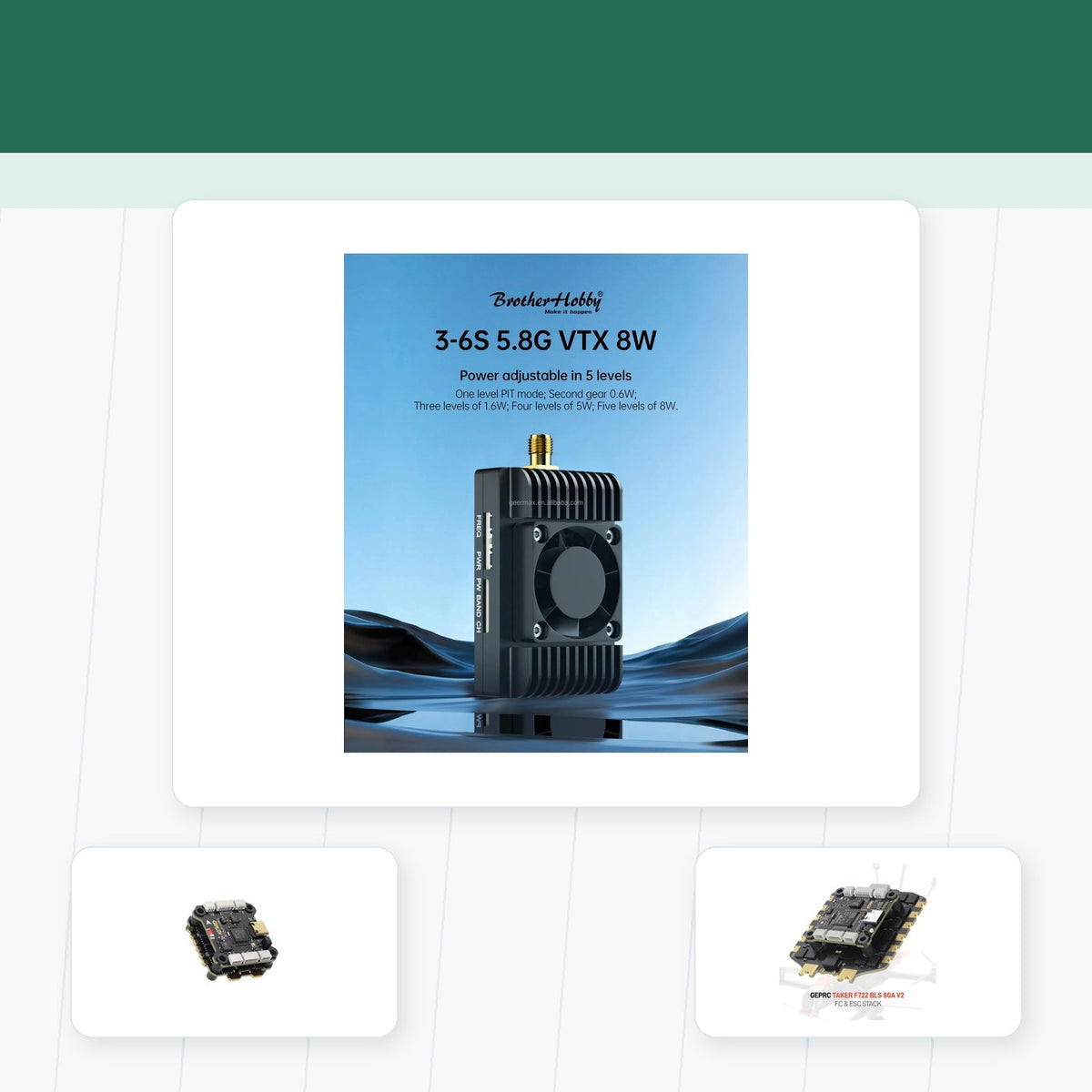
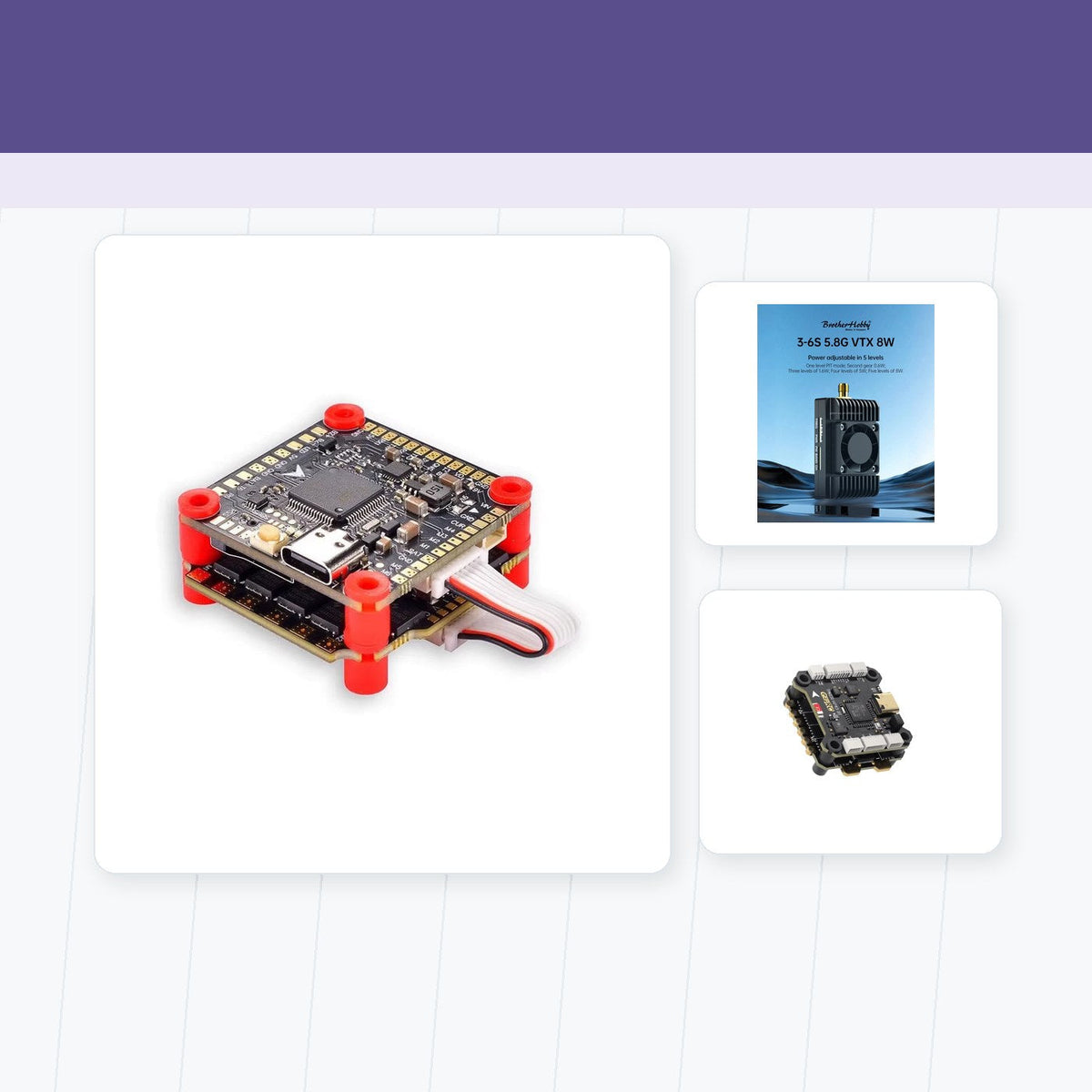
Compare RTF and BNF drones for a faster start, or browse FC and ESC stacks and FPV frames for a DIY build.
Share:
How to Choose the Right ESC for Your Drone