
TBS Crossfire built its reputation on long-range reliability. ExpressLRS changed the buying conversation by bringing high performance, open-source development, and very affordable receivers into the mainstream.

If you are buying into FPV today, the question is rarely whether both links can work. They can. The real question is which ecosystem fits your radio, aircraft count, budget, firmware comfort, and flying style.
Core Difference
Crossfire is a polished proprietary ecosystem with a long record in long-range FPV. ExpressLRS is open-source, fast-moving, and available from many hardware makers. That openness has pushed ELRS receiver prices down and made it easy to find radios with internal ELRS built in.
| Factor | ExpressLRS | TBS Crossfire |
|---|---|---|
| Latency and rates | Very high packet-rate options for racing and sharp freestyle | Smooth and proven, but not aimed at maximum packet-rate bragging rights |
| Receiver cost | Usually lower, especially for fleet builds | Generally higher per aircraft |
| Ecosystem | Open-source, many manufacturers | Proprietary TBS ecosystem |
| Setup style | Powerful but firmware-version sensitive | More controlled hardware/software path |
| Best fit | Most new FPV pilots and multi-drone fleets | Pilots already invested in TBS or dedicated long-range workflows |
Range Is Not the Only Metric
Both systems can reach far beyond what most pilots should casually fly. Antenna placement, RF noise, legal limits, battery endurance, and failsafe behavior usually become the real constraints before the link name does.
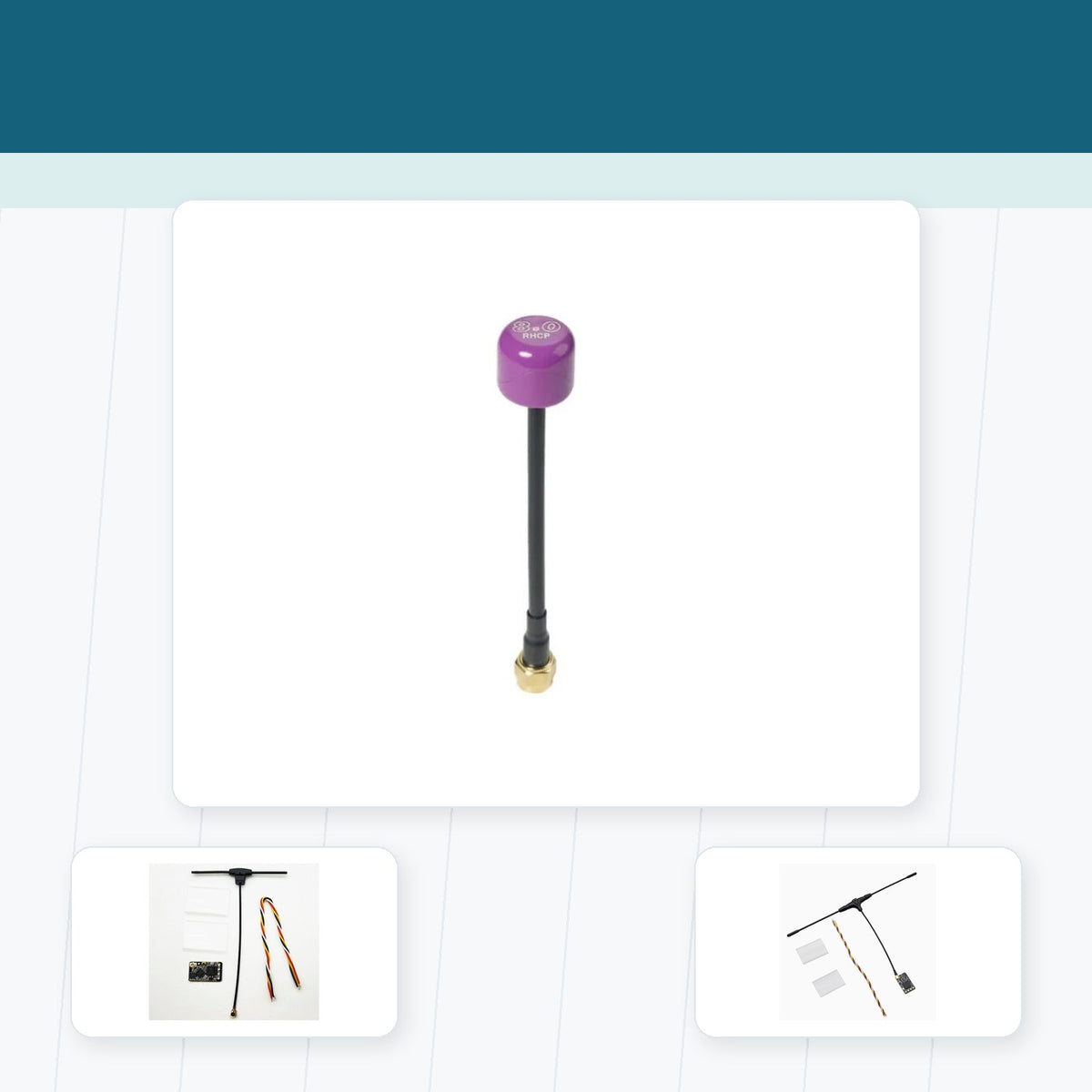
For most new pilots, ELRS wins because it is already integrated into many modern radios such as a compact Pocket-style ELRS radio, TX15 ExpressLRS EdgeTX radio, or TX16S MK3 ExpressLRS radio. Pair that radio with compatible gear from FPV receivers and ELRS RX gear and you have a scalable control-link path.
When Crossfire Still Makes Sense
Crossfire remains relevant if you already own TBS gear, prefer its mature workflow, or fly with a group standardized around it. It is not suddenly bad. It is simply harder to recommend as the default first purchase when ELRS offers so much performance per dollar.
Verdict
For a first FPV radio link in 2026, choose ExpressLRS unless you have a specific Crossfire reason. It is cheaper to scale, easier to find in new radios, and actively developed by a large community.
How the Choice Feels in Real Flying
On a normal freestyle flight, the difference between ELRS and Crossfire is less about one link magically feeling stronger and more about how much confidence you have before takeoff. ELRS usually feels sharper when configured with a fast packet rate and a clean receiver installation. Crossfire feels familiar to pilots who have already built a long-range workflow around its modules, receivers, and radio habits.
The practical mistake is judging a radio link only from maximum range claims. A five-inch freestyle quad behind a line of trees, a seven-inch cruiser over open ground, and a tiny whoop in a house all stress the link differently. Antenna orientation, receiver placement, battery voltage, VTX noise, and failsafe setup can matter more than the brand name printed on the module.
Cost Over a Fleet
Receiver price becomes important once you own more than one aircraft. A single premium receiver may not feel expensive, but a pilot with a tiny whoop, a freestyle quad, a trainer build, and a long-range frame will feel the difference quickly. ELRS is strong here because compatible receivers are widely available, and many modern radios ship with internal ELRS, reducing the need for an external module.
Crossfire can still make sense when you already own the ecosystem or want to keep every aircraft on the same proven workflow. For a brand-new pilot, however, spending less per receiver usually leaves more budget for batteries, props, antennas, and repair parts, which often improve actual flying progress faster than an expensive control link.
Setup and Maintenance
ELRS asks more from the pilot during firmware work. You need the correct target, a compatible major version, and a consistent binding phrase. Once that habit is learned, adding receivers becomes straightforward. Crossfire generally feels more controlled because the hardware and software path is narrower, but that also means you are buying deeper into one company's ecosystem.
If you enjoy tuning radios, updating firmware, and adjusting packet rates for different aircraft, ELRS gives you more room to experiment. If you prefer a stable setup you rarely touch, Crossfire may still feel calmer, especially for a pilot who already understands its tools.
Recommendation by Pilot Type
New FPV pilots should usually start with ELRS. It is affordable, current, well documented, and supported by many radios and receivers. Freestyle pilots with several quads also benefit from cheap receivers and fast packet-rate options. Long-range pilots can choose either system, but they should base the choice on antenna installation, local frequency rules, and how much they trust their full aircraft setup.
The bottom line is simple: ELRS is the default recommendation for most new builds in 2026, while Crossfire remains a valid choice for pilots who already have a reason to stay with it.
If you are unsure, price out the whole fleet instead of one aircraft. Include the radio, module if needed, three or four receivers, spare antennas, and the time required to maintain firmware. That total picture usually makes the decision much clearer.
Share:
Walksnail Moonlight 4K Camera Kit: Is It Better Than GoPro?
Best ExpressLRS (ELRS) Radio Controllers in 2026